 5 citations
,
October 2018 in “American Journal of Clinical Dermatology”
5 citations
,
October 2018 in “American Journal of Clinical Dermatology” Skin problems are common after stem cell transplants, and early treatment by dermatologists can improve patient outcomes.
 January 2025 in “Universidad de Córdoba Insitutional Repository (Universidad de Córdoba)”
 An imbalanced scalp microbiome may worsen alopecia areata severity and inflammation, but treatment can partially restore balance.
 January 2023 in “Frontiers research topics”
 Skin conditions can cause significant psychological distress, so addressing mental health is crucial for improving quality of life.
 January 2019 in “LASER THERAPY”
 Laser technologies improve medical treatments and outcomes.
 September 2009 in “Pediatric Dermatology”
 UVB is good for a skin condition in Asian kids, a lotion works for head lice, a drug helps with a skin blistering disorder, a foam reduces itchiness in skin inflammation, birthmarks can be more widespread, and criteria for a neurocutaneous disorder were agreed upon.
 May 2018 in “White Rose eTheses Online (University of Leeds, The University of Sheffield, University of York)”
 Alopecia areata may be treated by using EGCG to balance immune cells and reduce inflammation.
76 citations
,
January 2011 in “Indian Journal of Dermatology/Indian journal of dermatology” Dermoscopy is a useful tool for diagnosing and managing alopecia areata.
October 2024 in “Archives of Dermatological Research” January 2024 in “International journal of molecular sciences” Hoxc13 gene affects wool length in Gansu alpine fine-wool sheep.
 11 citations
,
September 2021 in “Anais Brasileiros de Dermatologia”
11 citations
,
September 2021 in “Anais Brasileiros de Dermatologia” The conclusion is that early diagnosis of skin signs linked to diseases like Lupus, Dermatomyositis, and Rheumatoid Arthritis is crucial to prevent serious complications.
8 citations
,
May 2025 in “Pharmaceuticals” In 2024, the FDA approved 27 innovative small-molecule drugs, with many offering significant treatment improvements.
148 citations
,
September 2003 in “Journal of Investigative Dermatology Symposium Proceedings” Alopecia areata is an autoimmune disorder causing hair loss, linked to specific hair follicle antigens and genetic factors.
26 citations
,
July 2011 in “PubMed” Treating H. pylori infection might help cure alopecia areata.
 5 citations
,
August 2018 in “PubMed”
5 citations
,
August 2018 in “PubMed” An 8-year-old with severe hair loss regrew all hair after six months of tofacitinib treatment.
 January 2025 in “Indian Journal of Paediatric Dermatology”
 Vitamin D deficiency is common in children with and without alopecia areata, and more research is needed.
58 citations
,
February 2021 in “Toxins” Botulinum toxins effectively treat excessive sweating and may help with other skin conditions, but more research is needed.
53 citations
,
July 2018 in “Drug design, development and therapy” Janus kinase inhibitors show promise in treating alopecia areata but need better topical formulations.
 6 citations
,
September 2012 in “Our Dermatology Online”
6 citations
,
September 2012 in “Our Dermatology Online” Retinoids are effective for various skin conditions and hair loss but have serious side effects, so low doses are recommended.
1 citations
,
June 2025 in “Pigment Cell & Melanoma Research” SASH1 gene mutations are linked to various inherited skin pigmentation disorders.
September 2025 in “International Journal of Molecular Sciences” Unmodified fullerene C60 promotes hair growth and may help treat hair loss.
 10 citations
,
September 2021 in “JAMA Dermatology”
10 citations
,
September 2021 in “JAMA Dermatology” Different types of persistent hair loss after chemotherapy respond differently to treatments.
1 citations
,
January 2022 in “Dermatology Research and Practice” Higher CD70 and CD27 gene expression in alopecia areata lesions predicts disease severity and activity.
 February 2025 in “Dermatology and Therapy”
 Alopecia areata incognita causes sudden hair loss but usually improves with topical steroids.
December 2023 in “Indian Journal of Endocrinology and Metabolism” Early diagnosis, genetic testing, and innovative treatments are crucial for managing complex medical conditions.
 January 2017 in “Journal of Investigative Dermatology Symposium Proceedings”
 The 2015 Hair Research Congress concluded that stem cells, maraviroc, and simvastatin could potentially treat Alopecia Areata, topical minoxidil, finasteride, and steroids could treat Frontal Fibrosing Alopecia, and PTGDR2 antagonists could also treat alopecia. They also found that low-level light therapy could help with hair loss, a robotic device could assist in hair extraction, and nutrition could aid hair growth. They suggested that Alopecia Areata is an inflammatory disorder, not a single disease, indicating a need for personalized treatments.
2 citations
,
May 2024 in “Australasian Journal of Dermatology” Early diagnosis, innovative treatments, and considering systemic conditions are crucial in dermatological care.
1 citations
,
January 2024 in “Journal of clinical medicine” Early recognition and treatment of tinea capitis are crucial to prevent severe scalp issues and prolonged therapy.
 1 citations
,
January 2021 in “Journal of the Dermatology Nurses’ Association”
1 citations
,
January 2021 in “Journal of the Dermatology Nurses’ Association” The convention discussed various skin conditions and treatments, and highlighted the importance of vaccinations for patients on immune-altering medications.
 January 2025 in “Indian Journal of Dermatology”
 Frontal fibrosing alopecia is a challenging hair loss condition with no known cause or definitive treatment.
 1 citations
,
June 2019 in “Current developments in nutrition”
1 citations
,
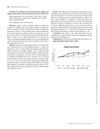
June 2019 in “Current developments in nutrition” A combination of arginine silicate complex and magnesium biotinate improves hair and nail growth in rats.