11 citations
,
March 2002 in “Pediatric Dermatology” Temporal triangular alopecia is a non-scarring hair loss seen in some Asian children.
22 citations
,
July 2006 in “Annals of The Royal College of Surgeons of England” Hair or fiber wrapped tightly around a toe can lead to serious injury if not treated quickly.
 April 2025 in “International Journal of Scientific Research in Science and Technology”
 Tectona grandis has many health benefits, including fighting infections, reducing ulcers, and promoting hair growth.
 December 2023 in “Acta dermato-venereologica”
 Tofacitinib is effective for treating alopecia areata, and starting treatment early may improve results.
 October 2022 in “Veterinária notícias/Veterinária Notícias”
 A 5-year-old Akita with a rare skin condition improved significantly after treatment.
 April 2016 in “Journal of The American Academy of Dermatology”
 The study found that Temporal Triangular Alopecia often starts in early childhood, mainly affects the left side of the scalp, and has no effective treatment except surgery.
 130 citations
,
November 2017 in “Frontiers in Immunology”
130 citations
,
November 2017 in “Frontiers in Immunology” The conclusion is that Treg-targeted therapies have potential, but more knowledge of Treg biology is needed for effective treatments, including for cancer.
October 2020 in “Der Hautarzt” Tofacitinib helped regrow hair in a woman with alopecia areata.
 March 2024 in “Journal of Evidence-Based Integrative Medicine”
 Teak leaf extract may effectively and safely promote hair growth in males with androgenic alopecia.
71 citations
,
January 2011 in “Journal of cutaneous pathology” A rare skin condition was confirmed to be associated with a specific virus in a young girl.
 January 2014 in “Sen i Gakkaishi”
 Liposome-encapsulated thioglycolic acid improves hair perming effectiveness and durability.
 January 1999 in “American Journal of Medical Genetics Part A”
 The report expanded knowledge of MBTPS1-related disorders by identifying new symptoms.
 1 citations
,
May 2017 in “Journal of the American Academy of Dermatology”
1 citations
,
May 2017 in “Journal of the American Academy of Dermatology” Tofacitinib helped a teenager with severe hair loss grow hair back, but more research is needed.
9 citations
,
January 2021 in “BioMed research international” Human hair-derived particles can effectively carry and release the cancer drug Paclitaxel in a pH-sensitive manner, potentially targeting cancer cells while sparing healthy ones.
 November 2025 in “International Journal of Research in Medical Sciences”
 Titagen® improves skin, hair, nail health, and reduces osteoarthritis symptoms safely.
 6 citations
,
July 1990 in “The Journal of Pediatrics”
6 citations
,
July 1990 in “The Journal of Pediatrics” A boy with toxic shock syndrome had severe heart rhythm problems but recovered with treatment.
 24 citations
,
July 1983 in “Clinical and Experimental Dermatology”
24 citations
,
July 1983 in “Clinical and Experimental Dermatology” Tigason improved hair growth in a boy with monilethrix without side effects.
6 citations
,
November 2023 in “Chinese Medicine” Xinyang Tablet improves heart function in sepsis by reducing inflammation.
 December 2017 in “Revista da Sociedade Portuguesa de Dermatologia e Venereologia”
 Topical minoxidil may help regrow hair after permanent hair loss from chemotherapy.
August 2024 in “Indian Journal of Dermatology Venereology and Leprology”  51 citations
,
June 2016 in “Journal of the European Academy of Dermatology and Venereology”
51 citations
,
June 2016 in “Journal of the European Academy of Dermatology and Venereology” Tofacitinib was effective in treating hair loss in two patients with alopecia universalis.
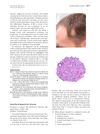
The man has Temporal Triangular Alopecia, a stable, non-scarring hair loss condition best treated with hair transplantation.
 September 2024 in “Skin Appendage Disorders”
 Tofacitinib helped a woman regrow her hair without relapses after other treatments failed.
December 2025 in “Journal of Paediatrics and Child Health” Tick-bite alopecia can be identified by a bite-centered mark and treated with topical steroids, while SENLAT needs doxycycline.
 March 2022 in “International Journal of Trichology”
 Tofacitinib may be effective for treating hair loss caused by alopecia areata that doesn't respond to other treatments.
January 2026 in “Clinical & Translational Oncology” Early intervention and tailored management are crucial for skin side effects in cancer treatments.
1 citations
,
April 2018 in “Journal of Investigative Dermatology” The Trichodysplasia spinulosa virus protein can cause abnormal hair growth in mice.
 2 citations
,
March 2023 in “Skin research and technology”
2 citations
,
March 2023 in “Skin research and technology” Temporal triangular alopecia in infants is mostly seen in males at birth, with unique features that help with diagnosis.
2 citations
,
January 2018 in “International Journal of Trichology” Two sisters had a rare hair condition without other usual symptoms.
 March 2025 in “Drug Development Research”
 The new gel combining minoxidil and tofacitinib effectively treats alopecia areata by promoting hair growth and reducing inflammation.