 April 2021 in “Sohag Medical Journal”
 Alopecia areata is an autoimmune condition causing hair loss, linked to genetic factors and immune system issues, with no cure yet.
 February 2021 in “Austin journal of nutrition & metabolism”
 Appropriate zinc levels may help prevent hair loss in university students.
 January 2021 in “Erciyes medical journal”
 The COVID-19 pandemic changed the types of skin conditions seen at a clinic, with fewer patients and varying numbers of specific conditions.
 January 2021 in “Journal of Scientific Research of the Banaras Hindu University”
 Lifestyle changes and medical treatment can help manage PCOS symptoms in young adults.
 November 2020 in “International journal of contemporary pediatrics”
 Two siblings had a rare immune disorder caused by a FOXN1 gene mutation.
 June 2020 in “International journal of medical science and clinical invention”
 Modern research supports traditional uses of Yarrow for hair loss and skin issues.
 April 2020 in “Journal of the Endocrine Society”
 Non-classic congenital adrenal hyperplasia (NCCAH) can mimic PCOS and requires genetic testing for proper diagnosis and treatment.
 March 2020 in “Central European Journal of Biology”
 The study found that stem cells and neutrophils are important for regenerating hair follicle structures in mice.
 April 2019 in “The journal of investigative dermatology/Journal of investigative dermatology”
 Machine learning can predict how well patients with alopecia areata will respond to certain treatments.
 April 2019 in “The journal of investigative dermatology/Journal of investigative dermatology”
 HDAC inhibitors, like Vorinostat and Entinostat, can help regrow hair in alopecia areata.
 January 2019 in “Advances in stem cells and their niches”
 Skin health and repair depend on the signals between skin stem cells and their surrounding cells.
 January 2019 in “Springer eBooks”
 Modified HDL can better deliver drugs and genes, potentially improving treatments and reducing side effects.
 October 2018 in “InTech eBooks”
 The most effective treatments for hair loss are minoxidil, finasteride, PRP, and hair transplants, with steroids and immunosuppressants for autoimmune types.

Microneedle technology is effective for skin rejuvenation and enhancing cosmeceutical delivery, with ongoing innovation and increasing commercialization.
 January 2018 in “Stem cell biology and regenerative medicine”
 ATP-dependent chromatin remodeling is crucial for skin development and stem cell function.
 January 2018 in “Stem cells in clinical applications”
 Exosomes show promise for tissue repair and regeneration with advantages over traditional cell therapies.
 April 2017 in “Journal of Dermatological Science”
 Benzoyl peroxide and adapalene gels work differently to reduce acne in mice.
 October 2016 in “Elsevier eBooks”
 Common noncancerous skin diseases have various treatments, including topical applications, light therapy, surgery, and medications, with psychological support being important.
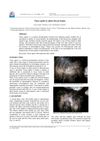
An adult Libyan woman was successfully treated for a rare scalp infection usually seen in children.
 July 2016 in “American Journal of Dermatopathology”
 The meeting showcased rare skin disease cases, highlighting the need for accurate diagnosis and treatment.
 January 2016 in “Springer eBooks”
 New materials and methods could improve skin healing and reduce scarring.
 April 2015 in “Journal of Evolution of Medical and Dental Sciences”
 People with autoimmune skin diseases often have hearing problems and should get their hearing checked early.
 January 2014 in “Journal of the Egyptian Women's Dermatologic Society (Print)”
 Women with acne after adolescence are more likely to have PCOS and should be checked for it.
 April 2012 in “Informa Healthcare eBooks”
 Alopecia areata is a common autoimmune condition causing varying hair loss, diagnosed by specific patterns of inflammation around hair follicles, with several treatment options available.
 October 2011 in “Dermato-endocrinology”
 Hormones significantly affect skin health, with vitamin D playing a key role.
 November 2009 in “Medical & surgical dermatology”
 The document concludes that Borrelia afzelii causes a skin condition in France, a gene is linked to hair loss in Caucasian women, and various genetic mutations affect skin diseases.
 January 2009 in “Elsevier eBooks”
 Some plant-based treatments may help with ovary function, insulin resistance, and excess male hormones in PCOS, but more research is needed to confirm their safety and effectiveness.
 December 2008 in “Enzyme and Microbial Technology”
 New patents include innovations in skin and hair care, disease treatment, plant stress tolerance, and protein purification.
 June 2008 in “British Journal of Dermatology”
 Herpes gestationis is linked to certain antigens, atopic eczema affects T cell populations and may be eased by breastfeeding, higher doses of anti-androgen treatment can improve androgenic alopecia, topical minoxidil increases hair thickness, long-term methotrexate therapy can cause liver fibrosis in psoriasis patients, and Lichen Sclerosus et Atrophicus patients aren't at higher risk for autoimmune disorders.
 January 2008 in “Springer eBooks”
 Thyroid disease can cause hair loss and treating thyroid problems might help with hair disorders.