 May 2025 in “The Journal of Rheumatology”
 Anifrolumab may help improve symptoms in patients with overlapping autoimmune diseases.
 May 2025 in “The Journal of Rheumatology”
 Proactive physical therapy improved mobility, reduced fatigue, and pain in lupus patients.
 May 2025 in “The Journal of Rheumatology”
 Anti-CD19 therapy may help treat SLE and NMOSD.
 May 2025 in “The Journal of Rheumatology”
 Early recognition and management of gastrointestinal tuberculosis in lupus patients are crucial to prevent complications.
 May 2025 in “The Journal of Rheumatology”
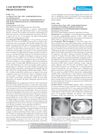
 Catatonia can be a rare sign of lupus, needing careful diagnosis and treatment.
 May 2025 in “The Journal of Rheumatology”
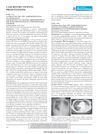
 Purpura fulminans can signal underlying autoimmune disorders, not just infections.
 May 2025 in “The Journal of Rheumatology”
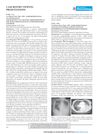
 Lupus patients in Ghana face healthcare challenges, and the Oyemam Autoimmune Foundation is working to improve awareness and support.
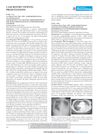
May 2025 in “The Journal of Rheumatology” Bullous lupus can cause severe esophageal issues but responds well to corticosteroids and azathioprine.
 May 2025 in “The Journal of Rheumatology”
 Atypical symptoms in lupus can indicate different kidney issues.
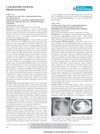 May 2025 in “The Journal of Rheumatology”
 Correct diagnosis is crucial for treating overlapping conditions like NMOSD and SLE effectively.
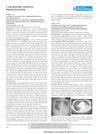 May 2025 in “The Journal of Rheumatology”
 Middle-aged women with dilated cardiomyopathy should be screened for antiphospholipid syndrome.
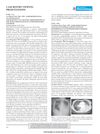 May 2025 in “The Journal of Rheumatology”
 Early recognition and a team approach are crucial for managing diffuse alveolar hemorrhage in antiphospholipid syndrome.
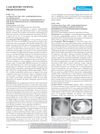 May 2025 in “The Journal of Rheumatology”
 Antiphospholipid syndrome can severely damage adrenal glands, requiring early diagnosis and treatment.
 May 2025 in “The Journal of Rheumatology”
 SLE can cause unusual gastrointestinal symptoms, and immunosuppressive therapy can be effective.

Early identification of lupus through skin signs and blood tests is crucial in India.
 June 2020 in “Annals of the Rheumatic Diseases”
 Patients with Systemic Sclerosis have much higher levels of GDF-15, which could help predict organ involvement and guide treatment.
 August 2018 in “International Journal of Research in Dermatology”
 Skin issues like hair loss, rash, and sensitivity to sunlight are key signs of lupus activity.
Different connective tissue disorders have unique symptoms and treatments, with varying outcomes and often require ongoing care from a specialist.
Defective protein folding due to a mutation is key in ANE syndrome.
ANE syndrome is caused by a mutation in the RBM28 protein that disrupts ribosome assembly.
3 citations
,
February 2018 in “Experimental and Molecular Medicine/Experimental and molecular medicine” A protein called PCBP2 controls the production of a hair growth protein by interacting with its genetic message and is linked to hair loss when this control is disrupted.
 2 citations
,
September 2022
2 citations
,
September 2022 The PER3 rs772027021 SNP may cause mild skin pigmentation changes in a new subtype of dyschromatosis universalis hereditaria.
117 citations
,
August 1999 in “Nature Genetics” 76 citations
,
January 1998 in “Mammalian Genome” 37 citations
,
December 1995 in “Journal of Cell Science” Nexin 1 may help control hair growth.
7 citations
,
May 2022 in “Cancers” UC.145 may be a new biomarker for predicting gastric cancer.
14 citations
,
August 2014 in “The FASEB Journal” CAP1/Prss8 does not activate PAR2 or inhibit PN-1.
 10 citations
,
June 2005 in “The journal of investigative dermatology/Journal of investigative dermatology”
10 citations
,
June 2005 in “The journal of investigative dermatology/Journal of investigative dermatology” FP-1 is a key protein in rat hair growth, active only during the growth phase.
 January 2020 in “bioRxiv (Cold Spring Harbor Laboratory)”
 Certain genetic variants in ERN1, TACR3, and SPPL2C are linked to when Alzheimer's disease starts.
 23 citations
,
December 2013 in “British Journal of Dermatology”
23 citations
,
December 2013 in “British Journal of Dermatology” A new gene mutation linked to a skin condition was found in a Spanish family.