 September 1980 in “PubMed”
 Using selenium disulfide on guinea pigs increased hair loss.
1 citations
,
November 2022 in “Indian Journal of Dermatology/Indian journal of dermatology” Dermoscopy helps accurately diagnose and treat benign skin cysts.
 5 citations
,
March 2009 in “Pediatric Dermatology”
5 citations
,
March 2009 in “Pediatric Dermatology” The study found that pili bifurcati causes hair to intermittently split into two branches, each with its own outer layer.
2 citations
,
September 1997 in “Archives of Dermatology” Goats can have various genetic skin diseases affecting hair, skin, and thyroid function.
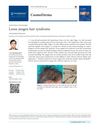 February 2023 in “Cosmoderma”
 Loose anagen hair syndrome causes easily shed hair but usually improves with time.
June 2014 in “Experimental dermatology” The epidermis is crucial for hair growth.
 January 2019 in “Global Dermatology”
 Genetic hair shaft abnormalities can be seen with microscopes and often affect scalp hair.
 4 citations
,
June 2021 in “Dermatology”
4 citations
,
June 2021 in “Dermatology” Scientists created a 3D skin model to study a chronic skin disease and test treatments.
 January 1997 in “Elsevier eBooks”
 Hair and nails are skin parts that develop early and serve protective and functional roles.
 51 citations
,
September 2015 in “Medical Clinics of North America”
51 citations
,
September 2015 in “Medical Clinics of North America” The conclusion is that acne, alopecia, and hyperhidrosis are common skin issues with various treatments available, and accurate diagnosis is key for effective management.
 1 citations
,
July 2018 in “CMAJ. Canadian Medical Association journal”
1 citations
,
July 2018 in “CMAJ. Canadian Medical Association journal” A three-year-old girl has hair loss despite treatment with selenium sulfide shampoo and anti-fungal medication.
4 citations
,
April 2018 in “The journal of pediatrics/The Journal of pediatrics” A 6-year-old girl's inability to grow her hair long was due to Loose Anagen Hair Syndrome, which causes hair to shed easily and may improve with age.
125 citations
,
February 2007 in “The EMBO Journal” Fgfr2b helps maintain healthy skin and prevent cancer.
18 citations
,
February 2007 in “Journal of Investigative Dermatology” Deleting Rac1 in the skin depletes stem cells and damages hair follicles.
July 2023 in “Clinical Cosmetic and Investigational Dermatology” Accurate diagnosis of granular parakeratosis is crucial for effective treatment and improvement.
September 2015 in “Pediatrics in review” The 7-month-old boy has a persistent rash that doesn't improve with typical skin treatments.
January 2007 in “Jiepouxue yanjiu” ES cell-derived stem cells can help regenerate skin and form gland-like structures.
 December 2025 in “Biology Bulletin”
 Baikal seals' skin shows normal features for protection and some pathologies possibly linked to climate change or a virus.
8 citations
,
January 2017 in “Indian dermatology online journal” Traumatic anserine folliculosis is a skin condition caused by friction, treatable with topical cream and avoiding trauma.
February 2006 in “Expert review of dermatology” Acne is caused by hormones, genetics, skin cell buildup, oil production, bacteria, and inflammation.
November 2005 in “CRC Press eBooks” SEPA 0009 is a promising and safe skin penetration enhancer for topical use.
10 citations
,
February 1976 in “The Journal of Dermatology” γ‐Oryzanol ointment increases sebaceous gland activity and sebum production.
 May 2025 in “Journal of Dermatological Treatment”
 The shampoo improved seborrheic dermatitis symptoms, but worked better for males than females.
 August 2021 in “Journal of medical science and clinical research”
 An infant with seizures and hair loss was diagnosed with biotinidase deficiency and treated successfully with biotin.
72 citations
,
January 1983 in “The Anatomical Record” Epidermal growth factor delays skin and hair development in mice.
6 citations
,
June 1976 in “Journal of Investigative Dermatology” 9 citations
,
May 2013 in “European Journal of Dermatology” Dermoscopy can non-invasively detect eruptive vellus hair cysts on the labia majora.
14 citations
,
January 1998 in “Dermatology” Polythelia pilosa is a type of extra breast tissue with hair and should be classified as such.
180 citations
,
January 2002 in “The journal of investigative dermatology/Journal of investigative dermatology” Vitamin D Receptor is crucial for normal skin and hair growth.