 95 citations
,
November 2018 in “Australasian journal of dermatology”
95 citations
,
November 2018 in “Australasian journal of dermatology” Alopecia areata treatment varies, with no optimal method established yet.
 49 citations
,
August 2018 in “International Journal of Dermatology”
49 citations
,
August 2018 in “International Journal of Dermatology” Topical JAK inhibitors may help treat alopecia universalis by promoting hair regrowth.
 16 citations
,
April 2007 in “Journal of Medical Primatology”
16 citations
,
April 2007 in “Journal of Medical Primatology” The monkey's hair loss was due to an autoimmune disease, not genetics.
 4 citations
,
August 2013 in “Case reports in dermatology”
4 citations
,
August 2013 in “Case reports in dermatology” A patient with total hair loss developed vitiligo after using a treatment called DCP.
 2 citations
,
January 1986 in “Dermatology”
2 citations
,
January 1986 in “Dermatology” A woman with Kallman's syndrome also developed alopecia universalis, a condition not previously linked to Kallman's.
 September 2023 in “Journal of Cosmetic Dermatology”
 Lower vitamin D levels are linked to higher CRP levels in people with a type of hair loss called alopecia areata.
January 2016 in “Indian Journal of Paediatric Dermatology” The treatment is effective and safe for severe alopecia areata in children, but not for total or universal hair loss.
 March 2014 in “Journal of The American Academy of Dermatology”
 Azathioprine may be an effective treatment for severe hair loss.
 January 2012 in “Yearbook of Dermatology and Dermatologic Surgery”
 Alopecia areata is a hair loss condition that often starts before age 30 and can affect various body parts, with unpredictable hair regrowth chances.
 15 citations
,
January 2014 in “Dermatology”
15 citations
,
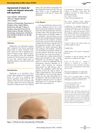
January 2014 in “Dermatology” Some patients with a type of skin lymphoma can experience a rare, non-scarring hair loss that looks like another hair loss condition but has distinct features.
 3 citations
,
December 2021 in “Dermatology reports”
3 citations
,
December 2021 in “Dermatology reports” Dupilumab can improve both atopic dermatitis and alopecia universalis.
 1 citations
,
August 2023 in “Acta dermato-venereologica”
1 citations
,
August 2023 in “Acta dermato-venereologica” Corticosteroids are the most common treatment for alopecia areata, but many patients need better options.
 March 2022 in “Research Square (Research Square)”
 A girl with severe hair loss saw hair regrowth after using cannabis.
 41 citations
,
September 2018 in “Australasian journal of dermatology”
41 citations
,
September 2018 in “Australasian journal of dermatology” No systemic treatment for alopecia areata has strong evidence of effectiveness.
 January 2017 in “Journal of cosmetology & trichology”
 A man with severe hair loss regrew hair after hormone treatment.
 238 citations
,
November 2016 in “Journal of The American Academy of Dermatology”
238 citations
,
November 2016 in “Journal of The American Academy of Dermatology” Tofacitinib is effective and safe for severe hair loss, but full regrowth is less likely after 10 years of hair loss.
 222 citations
,
September 2016 in “JCI insight”
222 citations
,
September 2016 in “JCI insight” Tofacitinib is safe and effective for severe alopecia areata, but hair loss may return 2 months after stopping treatment.
 185 citations
,
June 2014 in “Journal of Investigative Dermatology”
185 citations
,
June 2014 in “Journal of Investigative Dermatology” A man with severe hair loss and skin disease regrew his hair with no side effects after taking tofacitinib.
 182 citations
,
December 2017 in “Journal of the American Academy of Dermatology”
182 citations
,
December 2017 in “Journal of the American Academy of Dermatology” Some treatments can help with a hair loss condition called alopecia areata, but none ensure lasting results; choices depend on the person, with JAK inhibitors showing promise for severe cases.
161 citations
,
March 1992 in “International Journal of Dermatology” Alopecia areata often starts before age 20, is more common in women, and may have a genetic link with other autoimmune diseases.
117 citations
,
February 1996 in “International Journal of Dermatology” A 300 mg monthly pulse of prednisolone effectively and safely treats widespread alopecia areata.
 104 citations
,
March 1987 in “Journal of The American Academy of Dermatology”
104 citations
,
March 1987 in “Journal of The American Academy of Dermatology” Minoxidil helps hair growth in 63.6% of alopecia patients, with 27.3% having excellent results.
96 citations
,
December 2015 in “JAMA dermatology” Topical Ruxolitinib may safely treat severe hair loss.
69 citations
,
February 1987 in “Archives of Dermatology” Topical cyclosporine lotion led to hair regrowth in a man with alopecia universalis.
 51 citations
,
December 2011 in “The Journal of Dermatology”
51 citations
,
December 2011 in “The Journal of Dermatology” New treatments for severe hair loss often fail, but some patients see hair regrowth with specific therapies, and treatment should be tailored to the individual's situation.
 45 citations
,
January 2010 in “International journal of trichology”
45 citations
,
January 2010 in “International journal of trichology” Topical immunotherapy, especially with DPCP, is effective for treating severe alopecia areata.
 41 citations
,
December 2015 in “JAMA Dermatology”
41 citations
,
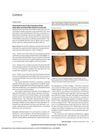
December 2015 in “JAMA Dermatology” Tofacitinib citrate improved nail dystrophy and pain in patients with alopecia universalis without causing side effects.
41 citations
,
November 2015 in “The journal of investigative dermatology. Symposium proceedings/The Journal of investigative dermatology symposium proceedings” Diphenylcyclopropenone (DPCP) can help regrow hair in many alopecia areata patients but may cause side effects and relapses.
40 citations
,
June 2021 in “Clinical, cosmetic and investigational dermatology” JAK inhibitors show promise in effectively treating hair loss from alopecia areata.
38 citations
,
January 2012 in “Journal of Korean Medical Science” Early-onset alopecia, especially with a family history, leads to worse outcomes and more related health issues.