18 citations
,
October 2022 in “Biomedicines” Regenerative treatments for vitiligo show promise but need more research for long-term safety and effectiveness.
 July 2021 in “Journal of dermatology research and therapy”
 Using combined treatments can help manage acne by targeting the bacteria and skin changes that cause it.
1 citations
,
July 2014 in “The journal of investigative dermatology/Journal of investigative dermatology” Light affects skin health, aging, and cancer risk, and new light-based treatments and imaging are promising for skin care.
10 citations
,
September 2022 in “Journal of Biophotonics” Blue light therapy is safe for skin and may protect against UV radiation.
17 citations
,
October 2009 in “Dermatology” Ultraviolet light helped hair growth more effectively than triamcinolone acetonide.
 6 citations
,
February 1974 in “The BMJ”
6 citations
,
February 1974 in “The BMJ” The document concludes that scalp disorders can be treated with hair washing, specific shampoos, medications, and sometimes surgery or hair transplants, but hereditary baldness is untreatable.
 April 1955 in “Archives of pediatrics & adolescent medicine”
 Children's skin diseases need special care and treatment.
 4 citations
,
September 2014 in “Elsevier eBooks”
4 citations
,
September 2014 in “Elsevier eBooks” Use some skin medications with caution during pregnancy; avoid strong steroids, certain eczema treatments, and systemic retinoids, but many topical treatments and nasal sprays are safe.
July 1974 in “Archives of Dermatology” Ultraviolet light treatment with trioxsalen was ineffective for vitiligo in the cases described.

Long-term use of seizure medications can disrupt calcium metabolism, but this can be treated with vitamin D or UV light and does not affect seizure control.
5 citations
,
November 2003 in “PubMed” Chemical treatments and light exposure damage hair proteins.
 November 2011 in “Informa Healthcare eBooks”
 Environmental, chemical, mechanical, and personal health factors can all damage hair and contribute to hair loss or changes in hair quality.
12 citations
,
October 2013 in “British Journal of Dermatology” The meeting concluded with optimism about increasing research and better management of vitiligo.
2 citations
,
December 2013 in “Journal of Cosmetic Dermatology” UV treatment can damage hair, so protection is advised.
 September 1995 in “American Journal of Contact Dermatitis”
 Antiyeast treatments work better for seborrheic dermatitis than steroids, and other findings include increased skin bacteria under plastic wrap, a nasal cell defect in Staphylococcus aureus carriers, quick resolution of certain skin reactions, high rubber latex allergy in spina bifida patients, and glyceryl monopentadecanoate's effectiveness for male hair loss.
 13 citations
,
October 2015 in “Journal of the European Academy of Dermatology and Venereology”
13 citations
,
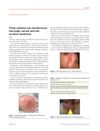
October 2015 in “Journal of the European Academy of Dermatology and Venereology” The document concludes that early recognition and appropriate treatment of red scalp, red ear, and red scrotum syndromes can lead to remission.
 143 citations
,
September 1991 in “Archives of Dermatology”
143 citations
,
September 1991 in “Archives of Dermatology” Generalized pustular psoriasis patients often need strong medication and careful treatment due to flare-ups and complications.
2 citations
,
October 1974 in “Archives of Dermatology” The woman's skin condition persisted for 20 years despite treatments.
 November 1966 in “British Journal of Dermatology”
 The meeting discussed various skin conditions, treatments, and unusual cases, highlighting the effectiveness of tetracycline in treating rosacea.
 2 citations
,
January 2004 in “Elsevier eBooks”
2 citations
,
January 2004 in “Elsevier eBooks” Lupus affects the skin in various ways, and proper skin examination is crucial for diagnosis and treatment.
144 citations
,
December 2017 in “Pigment cell & melanoma research” Melasma is now considered a skin aging disorder caused by sun exposure in people with a genetic tendency, which impacts treatment and prevention approaches.
 67 citations
,
January 2013 in “Indian Journal of Dermatology, Venereology and Leprology”
67 citations
,
January 2013 in “Indian Journal of Dermatology, Venereology and Leprology” Chronic Telogen Effluvium may resolve after years and is diagnosed by examining the patient's history and clinical signs, with treatment aimed at underlying causes and possibly minoxidil.
 9 citations
,
May 2013 in “JAMA Dermatology”
9 citations
,
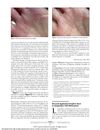
May 2013 in “JAMA Dermatology” Sunlight exposure improved a patient's skin condition, and there may be a link between a certain disease and skin growths; a leukemia treatment caused changes in hair color and growth.
 8 citations
,
May 1987 in “Journal of The American Academy of Dermatology”
8 citations
,
May 1987 in “Journal of The American Academy of Dermatology” UV light does not significantly affect minoxidil's ability to treat male pattern baldness.
 February 2024 in “Infection and drug resistance”
 Tinea capitis in a child was caused by a fungus from cats, highlighting the need for accurate diagnosis and treatment.
 February 2009 in “Springer eBooks”
 Hyperpigmentation is common in pregnancy and may not fully fade after birth; melasma, also frequent, can persist but has limited treatment options during pregnancy.
 June 1997 in “Australasian Journal of Dermatology”
 Researchers found new hair and nail genes, how hair reacts to UV, differences in white and pigmented hair growth, nerve changes in alopecia, treatments for baldness and alopecia, a toenail condition linked to a genetic disorder, and that nail fungus is more common in people with psoriasis.
 September 2025 in “International Journal of Cosmetic Science”
 Heat and UV exposure damage hair structure by altering keratins.
 1 citations
,
January 2009 in “Elsevier eBooks”
1 citations
,
January 2009 in “Elsevier eBooks” The document concludes that a deeper understanding of skin aging and photodamage is needed to create better skin treatments.
 70 citations
,
April 2017 in “Lasers in surgery and medicine”
70 citations
,
April 2017 in “Lasers in surgery and medicine” Blue light promotes hair growth by interacting with specific receptors in hair follicles.