 31 citations
,
February 2019 in “International Journal of Cosmetic Science”
31 citations
,
February 2019 in “International Journal of Cosmetic Science” Caffeine applied to the scalp can protect hair follicles from UV damage.
 31 citations
,
January 2011 in “Dermato-endocrinology”
31 citations
,
January 2011 in “Dermato-endocrinology” Melatonin protects skin against UV damage by regulating various cellular processes.
 21 citations
,
January 2012 in “Biological and Pharmaceutical Bulletin”
21 citations
,
January 2012 in “Biological and Pharmaceutical Bulletin” Liposomes and iontophoresis effectively deliver protective enzymes into the skin against UV damage.
 16 citations
,
November 2016 in “Journal of Cosmetic and Laser Therapy”
16 citations
,
November 2016 in “Journal of Cosmetic and Laser Therapy” Laser and light therapies, especially the 308 nm excimer laser, are effective and safe for treating alopecia areata, but more research is needed.
 13 citations
,
April 2016 in “Journal of Dermatology”
13 citations
,
April 2016 in “Journal of Dermatology” 308-nm excimer light therapy helped over a third of treatment-resistant alopecia universalis patients regrow most of their hair.
 9 citations
,
August 2017 in “Photochemistry and Photobiology”
9 citations
,
August 2017 in “Photochemistry and Photobiology” Red light at 627 nm can safely trigger IL-4 release in skin cells, potentially helping treat inflammatory skin conditions.
 8 citations
,
November 2020 in “Optics and Laser Technology”
8 citations
,
November 2020 in “Optics and Laser Technology” LED light therapy is effective for skin and hair treatments but requires careful use to minimize risks.
 7 citations
,
March 2016 in “Journal of Cosmetic and Laser Therapy”
7 citations
,
March 2016 in “Journal of Cosmetic and Laser Therapy” Home-use lasers and IPL devices are unlikely to directly cause paradoxical hair growth; it may be linked to inflammation or hormonal issues.
 7 citations
,
July 2004 in “International Journal of Cosmetic Science”
7 citations
,
July 2004 in “International Journal of Cosmetic Science” Different hair types from various ethnic groups affect hair shine due to characteristics like thickness and shape.
 4 citations
,
May 2021 in “Lasers in Surgery and Medicine”
4 citations
,
May 2021 in “Lasers in Surgery and Medicine” Light therapy reduces scalp inflammation, boosts hair regrowth with Minoxidil 2%.
 1 citations
,
November 2019 in “Applied sciences”
1 citations
,
November 2019 in “Applied sciences” Human hair provides more UV protection when aligned and at higher angles, but the scalp still gets UV exposure.
 1 citations
,
January 2019 in “International Journal of ChemTech Research”
1 citations
,
January 2019 in “International Journal of ChemTech Research” Eclipta prostrata has many medicinal benefits, but more research is needed to understand how it works.
 January 2026 in “Forum Dermatologicum”
 LED therapy is safe and can help with acne, aging skin, and hair loss, but consumer devices may be less effective.
 August 2025 in “Aesthetic Cosmetology and Medicine”
 Blue light can damage hair and scalp, leading to hair loss.
 June 2020 in “The journal of investigative dermatology/Journal of investigative dermatology”
 Pulsed red light boosts collagen and energy in cells faster than continuous red light.
 62 citations
,
July 2018 in “Lasers in Medical Science”
62 citations
,
July 2018 in “Lasers in Medical Science” LED therapy is safe and shows potential for treating skin conditions and promoting hair growth, but more research is needed.
 45 citations
,
May 2019 in “Scientific Reports”
45 citations
,
May 2019 in “Scientific Reports” Low color temperature light (1900 K) benefits health by promoting melatonin, protecting eyes, and aiding healing.
 38 citations
,
January 2023 in “International Journal of Medical Sciences”
38 citations
,
January 2023 in “International Journal of Medical Sciences” Red-light therapy may slow myopia progression better than traditional treatments.
 28 citations
,
December 2017 in “Lasers in Medical Science”
28 citations
,
December 2017 in “Lasers in Medical Science” Monochromatic light devices, especially the 308-nm excimer laser, are promising for treating alopecia areata but more research is needed.
 17 citations
,
December 2015 in “International Journal of Cosmetic Science”
17 citations
,
December 2015 in “International Journal of Cosmetic Science” Visible light can improve skin disorders and hair loss, but more research is needed to understand long-term effects.
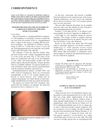 14 citations
,
January 2005 in “Pediatric Dermatology”
14 citations
,
January 2005 in “Pediatric Dermatology” UVA1-light therapy successfully treated a child's skin condition, mycosis fungoides.
 11 citations
,
July 2004 in “International Journal of Cosmetic Science”
11 citations
,
July 2004 in “International Journal of Cosmetic Science” The conclusion is that a new method to measure hair shine was confirmed to match people's visual assessments.
 March 2026 in “Quality in Sport”
 Red light therapy can boost athletic performance and aid healing.
 April 2024 in “Frontiers in cellular and infection microbiology”
 Blue light might help treat skin conditions by affecting the skin's bacteria.
 March 2024 in “GSC Advanced Research and Reviews”
 Different light affects cell functions and can help treat skin conditions.
 September 2018 in “The Medical Journal of Cairo University/The Medical Journal of Cairo University”
 Polarized light therapy helps hair regrowth in alopecia areata patients.
 May 2017 in “Journal of The American Academy of Dermatology”
 LED light helps human hair root cells grow and move by activating certain cell pathways.
 January 2015 in “Our Dermatology Online”
 Intralesional triamcinolone is the most effective treatment for hair regrowth in alopecia areata patients.
 January 2015 in “Przegla̧d dermatologiczny”
 308 nm excimer light therapy may help hair regrowth in alopecia areata with delayed results and no serious side effects.
 January 2015 in “Przegla̧d dermatologiczny”
 Intralesional triamcinolone is the most effective treatment for alopecia areata, followed by excimer light therapy, and then topical minoxidil. The scalp responds better to treatment than the beard area.