 17 citations
,
August 2019 in “Frontiers in Immunology”
17 citations
,
August 2019 in “Frontiers in Immunology” Non-invasive methods show promise for diagnosing skin diseases like psoriasis and lupus but need more research for regular use.
 15 citations
,
January 2014 in “Anais Brasileiros de Dermatologia”
15 citations
,
January 2014 in “Anais Brasileiros de Dermatologia” Lupus treatment requires a combination of drugs and therapies, with research needed for new options.
 22 citations
,
March 2017 in “Scientific reports”
22 citations
,
March 2017 in “Scientific reports” Double-stranded RNA causes inflammation in hair follicle cells, which may help understand and treat alopecia areata.
 32 citations
,
September 1989 in “Medical Clinics of North America”
32 citations
,
September 1989 in “Medical Clinics of North America” Skin problems are common in lupus, important for diagnosis, and can be triggered by sunlight.
 20 citations
,
October 2018 in “American Journal of Clinical Dermatology”
20 citations
,
October 2018 in “American Journal of Clinical Dermatology” Some drugs can cause skin and hair color changes, often reversible when the drug is stopped.
 31 citations
,
February 2019 in “International Journal of Cosmetic Science”
31 citations
,
February 2019 in “International Journal of Cosmetic Science” Caffeine applied to the scalp can protect hair follicles from UV damage.
 3 citations
,
July 2020 in “Frontiers in Cell and Developmental Biology”
3 citations
,
July 2020 in “Frontiers in Cell and Developmental Biology” Vitexin Compound 1 may help reduce skin aging caused by UVA light.
 46 citations
,
January 2015 in “Pediatric Rheumatology”
46 citations
,
January 2015 in “Pediatric Rheumatology” Skin symptoms are important for diagnosing and managing juvenile-onset systemic lupus erythematosus and usually get better with treatment.
 January 2018 in “SOJ microbiology & infectious diseases”
 Etanercept, a psoriasis treatment, caused hair loss in a patient.
 34 citations
,
January 2012 in “Journal of Dermatological Science”
34 citations
,
January 2012 in “Journal of Dermatological Science” Hydrogen peroxide and monoethanolamine in hair dye can cause dermatitis and hair loss.
 11 citations
,
January 2017 in “Oxidative medicine and cellular longevity”
11 citations
,
January 2017 in “Oxidative medicine and cellular longevity” Antroquinonol may help prevent skin depigmentation by suppressing certain immune cells.
 July 2003 in “Journal of Cutaneous Medicine and Surgery”
 Some medications can improve skin conditions, while lifestyle factors like smoking and drinking may worsen them; treatments like monoclonal antibodies and imiquimod cream show promise for certain skin diseases.
 3 citations
,
January 2000
3 citations
,
January 2000 Some alternative therapies for vitiligo show promise but need more research.
 86 citations
,
June 2017 in “Anais Brasileiros de Dermatologia”
86 citations
,
June 2017 in “Anais Brasileiros de Dermatologia” Antioxidants can benefit skin health but should be used carefully to avoid negative effects.
 27 citations
,
June 2015 in “Journal of photochemistry and photobiology. B, Biology”
27 citations
,
June 2015 in “Journal of photochemistry and photobiology. B, Biology” The new lab-grown skin model is good for testing sunscreen's protection against DNA damage from UV light.
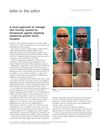 4 citations
,
March 2012 in “Annals of oncology”
4 citations
,
March 2012 in “Annals of oncology” New treatment with green tea polyphenols and nicotinamide improves skin problems from cancer therapy.
 August 2023 in “The Indonesian Biomedical Journal”
 Rosemary essential oil improved hair growth and thickness in UVB-exposed mice.
 27 citations
,
December 2014 in “Current problems in dermatology”
27 citations
,
December 2014 in “Current problems in dermatology” Photodynamic therapy is the preferred treatment for skin precancer due to its effectiveness and safety.
 39 citations
,
May 2004 in “Clinics in Dermatology”
39 citations
,
May 2004 in “Clinics in Dermatology” The document concludes that treatment for cutaneous T-cell lymphoma should be customized to each patient's disease stage, balancing benefits and side effects, with no cure but many patients living long lives.
 24 citations
,
July 2019 in “Cochrane library”
24 citations
,
July 2019 in “Cochrane library” Some treatments like methotrexate with prednisone might help juvenile morphea, but more research is needed to confirm.
 24 citations
,
March 2015 in “Best Practice & Research in Clinical Obstetrics & Gynaecology”
24 citations
,
March 2015 in “Best Practice & Research in Clinical Obstetrics & Gynaecology” Some skin conditions are common during pregnancy and can be safely treated without affecting the pregnancy outcome.
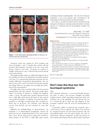 4 citations
,
February 2014 in “Journal of the European Academy of Dermatology and Venereology”
4 citations
,
February 2014 in “Journal of the European Academy of Dermatology and Venereology” Early diagnosis of hair tourniquet syndrome saved a baby's toe from being lost.
 2 citations
,
January 2005 in “Elsevier eBooks”
2 citations
,
January 2005 in “Elsevier eBooks” The document describes skin diseases affecting the outer ear in dogs and cats, their spread to other body parts, and treatment options.
 December 2004 in “Medicine”
 Pregnancy can cause skin changes and may affect pre-existing skin conditions, with some treatments not safe for use during pregnancy.
 January 2019 in “Revista Medicina Cutánea Ibero-Latino-Americana”
 Vitamin D is important for skin health and can help improve various skin conditions.
 233 citations
,
February 2018 in “Polymers”
233 citations
,
February 2018 in “Polymers” Chitin and chitosan are useful in cosmetics for oral care, haircare, and skincare, including UV protection and strength improvement.
 120 citations
,
February 2009 in “Apoptosis”
120 citations
,
February 2009 in “Apoptosis” Understanding how cells die in the skin is important for treating skin diseases and preventing hair loss.
 101 citations
,
October 2016 in “Nanomedicine: Nanotechnology, Biology and Medicine”
101 citations
,
October 2016 in “Nanomedicine: Nanotechnology, Biology and Medicine” Fullerenes show potential in skin care but need more safety research.
 52 citations
,
September 2018 in “International Journal of Molecular Sciences”
52 citations
,
September 2018 in “International Journal of Molecular Sciences” Ginseng and its compounds may help hair growth and prevent hair loss, but more human trials are needed to confirm this.
 38 citations
,
June 2018 in “Archives of Toxicology”
38 citations
,
June 2018 in “Archives of Toxicology” Different species and human skin models vary in their skin enzyme activities, with pig skin and some models closely matching human skin, useful for safety assessments and understanding the skin's protective roles.