March 2023 in “International Journal of Dermatology” Non-itchy rashes can indicate serious diseases like lupus.
4 citations
,
August 2023 in “Biomedicine & Pharmacotherapy” Ivacaftor can protect against noise-induced hearing loss by reducing oxidative stress.
 6 citations
,
July 2021 in “Microbial biotechnology”
6 citations
,
July 2021 in “Microbial biotechnology” The combined treatment with engineered bacteria and yellow LED light improved wound healing in mice.
 2 citations
,
March 2020 in “Skin”
2 citations
,
March 2020 in “Skin” Using cidofovir cream for a rare skin disease can cause skin darkening.
 July 2026 in “Open Science Framework”
 Radiation can cause hair loss, and better prevention and treatment methods are needed.
December 2024 in “JDDG Journal der Deutschen Dermatologischen Gesellschaft” Deucravacitinib helped a man regrow hair significantly.
August 2025 in “International Journal of Clinical Dermatology” A new skin cancer can develop where shingles once occurred.
 January 2017 in “NASA Technical Reports Server (NASA)”
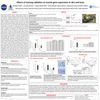
 Early changes in skin gene expression can predict later bone mass loss after radiation exposure.
 3 citations
,
January 2000
3 citations
,
January 2000 Some alternative therapies for vitiligo show promise but need more research.
 3 citations
,
July 2023 in “The journal of investigative dermatology/Journal of investigative dermatology”
3 citations
,
July 2023 in “The journal of investigative dermatology/Journal of investigative dermatology” Keratin 17 is important for skin's response to radiation, affecting many genes and cell division.
 April 2018 in “Journal of Investigative Dermatology”
 CENPV, a new partner of CYLD, helps regulate ciliary acetylated tubulin and is overexpressed in certain skin tumors.
April 2026 in “Frontiers in Medicine” The 675-nm diode laser may safely help treat telogen effluvium.
 January 2009 in “Actas dermo-sifiliográficas/Actas dermo-sifiliográficas”
 Lasers and light treatments are now the most common ways to remove hair.
7 citations
,
September 2021 in “Journal of Applied Polymer Science” Cuttlefish ink melanin protects hair from UV damage.
 45 citations
,
June 2004 in “Lasers in Medical Science”
45 citations
,
June 2004 in “Lasers in Medical Science” Intense pulsed light (IPL) is an efficient and safe method for hair removal, reducing hair by about 80%.
 1 citations
,
April 2023 in “Canadian journal of ophthalmology”
1 citations
,
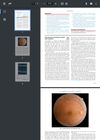
April 2023 in “Canadian journal of ophthalmology” Using a diode laser for hair removal without eye protection can cause serious eye injuries.
35 citations
,
October 2021 in “Journal of the European Academy of Dermatology and Venereology” COVID-19 vaccination may trigger recurrence of cutaneous T-cell lymphoma in some patients.
2 citations
,
December 2024 in “Journal of Photochemistry and Photobiology B Biology” Pulsed wave red LED light is more effective than continuous wave light for promoting hair regrowth.
June 2009 in “Mayo Clinic Proceedings” A woman was diagnosed with porphyria cutanea tarda and improved with phlebotomy and lifestyle changes.
 July 2018 in “Journal of The American Academy of Dermatology”
 Fluorescent tattoos are a good way to mark the scalp for hair treatments because they're accurate, invisible in normal light, and have low risk.
 February 2010 in “Journal of The American Academy of Dermatology”
 Low-level laser therapy increased hair growth compared to no treatment.
6 citations
,
March 2005 in “The Journal of Dermatology” Radiation therapy can worsen Discoid Lupus Erythematosus.
 February 2025 in “Brazilian Journal of Hair Health”
 The Brazilian candle flame technique can damage hair by melting the cuticle and exposing the cortex.
 19 citations
,
December 2015 in “Journal of Investigative Dermatology”
19 citations
,
December 2015 in “Journal of Investigative Dermatology” The protein p53 directly reduces the production of Keratin 17, a skin and hair protein, in rats with radiation dermatitis.
 4 citations
,
August 2022 in “International Journal of Molecular Sciences”
4 citations
,
August 2022 in “International Journal of Molecular Sciences” Human foreskin does not show aging or reduced cell growth after radiation, and H2A.J is not a good marker for radiation-induced aging.
3 citations
,
May 1964 in “Nature”  March 2026 in “Quality in Sport”
 Red light therapy can boost athletic performance and aid healing.
 January 2011 in “Journal of The American Academy of Dermatology”
 A man developed a painful skin condition after multiple heart procedures involving radiation.
January 2020 in “Emergency Medicine News” Early diagnosis, decontamination, and supportive care are crucial for managing acute radiation syndrome.
1 citations
,
January 2023 in “PubMed” Urtica dioica extract may help treat androgenic skin diseases by reducing a specific gene's activity.