January 2017 in “Murdoch Research Repository (Murdoch University)” A new genetic variant in the EEF2K gene may contribute to polycystic ovary syndrome.
17 citations
,
August 2015 in “Journal of Animal Science” The MTR gene affects wool quality and production in Chinese Merino sheep.
 60 citations
,
January 2007 in “Human Genetics”
60 citations
,
January 2007 in “Human Genetics” AR polyglycine repeat doesn't cause baldness.
 3 citations
,
April 2012 in “Bioinformation”
3 citations
,
April 2012 in “Bioinformation” Two specific SNPs in the TRPS1 gene cause excessive hair growth by altering the protein's structure.
6 citations
,
April 2021 in “NAR Genomics and Bioinformatics” PolyQ repeats in neural proteins evolve together, affecting brain function and disease.
 May 2025 in “Frontiers in Genetics”
 A new genetic variant in the LIPH gene causes hair growth issues in a Chinese patient.
 1 citations
,
September 2021 in “Cureus”
1 citations
,
September 2021 in “Cureus” The rs1128977 gene variant may affect cholesterol and body measurements.
15 citations
,
June 2012 in “British Journal of Dermatology” A new mutation in the KRT86 gene causes a hair disorder with variable expression.
2 citations
,
December 2013 in “Journal of dermatology” A specific gene mutation causes a rare hair loss condition in a Chinese patient.
 2 citations
,
July 2019 in “PLOS ONE”
2 citations
,
July 2019 in “PLOS ONE” Certain genetic variations are linked to higher liver enzyme levels in patients treated for chronic hepatitis C with specific drugs.
 93 citations
,
June 2001 in “The Journal of Clinical Endocrinology and Metabolism”
93 citations
,
June 2001 in “The Journal of Clinical Endocrinology and Metabolism” Certain genetic variations in the AR and ERβ genes can affect androgen levels in women.
 23 citations
,
December 2013 in “British Journal of Dermatology”
23 citations
,
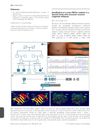
December 2013 in “British Journal of Dermatology” A new gene mutation linked to a skin condition was found in a Spanish family.
 January 2024 in “Archives of Endocrinology and Metabolism”
 A new gene mutation causes insulin resistance in a girl and her mother.
 5 citations
,
May 2011 in “European Journal of Medical Genetics”
5 citations
,
May 2011 in “European Journal of Medical Genetics” A genetic duplication on chromosome 5 was linked to a woman's unique combination of medical conditions.
May 2025 in “Dermatology Reports” A genetic mutation in the LIPH gene causes a rare hair disorder with sparse, curly hair.
January 2000 in “The Mouseion at the JAXlibrary (Jackson Laboratory)” The lanceolate hair-J mutation in mice helps understand human hair disorders like Netherton's syndrome.
 73 citations
,
June 2010 in “PLoS Genetics”
73 citations
,
June 2010 in “PLoS Genetics” A gene mutation in mice causes hair loss, weak bones, and protein buildup, showing how protein processing issues can lead to diseases.
 January 2026 in “BMC Veterinary Research”
 A genetic variant in "Blonde d'Aquitaine" calves causes death at birth due to a missing protein.
 7 citations
,
October 2019 in “Clinical, Cosmetic and Investigational Dermatology”
7 citations
,
October 2019 in “Clinical, Cosmetic and Investigational Dermatology” Certain gene variations in the Vitamin D receptor may increase the risk of chronic hair loss.
 11 citations
,
March 2014 in “Journal of The European Academy of Dermatology and Venereology”
11 citations
,
March 2014 in “Journal of The European Academy of Dermatology and Venereology” Hair loss gene linked to prostate issues.
 20 citations
,
May 2013 in “International Journal of Molecular Medicine”
20 citations
,
May 2013 in “International Journal of Molecular Medicine” Researchers found a new gene variant linked to a rare bone disease, which doesn't always cause symptoms in carriers.
 17 citations
,
October 2006 in “Molecular and Cellular Endocrinology”
17 citations
,
October 2006 in “Molecular and Cellular Endocrinology” The L457(3.43)R mutation in the human lutropin receptor causes increased activity and hormone insensitivity, leading to precocious puberty.
2 citations
,
September 2021 in “F1000Research” The ABCG2 gene variant increases the risk of high uric acid and cholesterol, especially in overweight or obese young Mexican males.
 August 2024 in “OSMANGAZİ JOURNAL OF MEDICINE”
 The visfatin GT genotype may increase the risk of Alopecia Areata.
2 citations
,
June 2013 in “Journal of Clinical Pathology” The LMNA mutation affects skin structure even in asymptomatic carriers.
 10 citations
,
March 2015 in “Journal of dermatology”
10 citations
,
March 2015 in “Journal of dermatology” The boy's severe skin disorder is caused by two new mutations in his TGM1 gene.
 17 citations
,
November 2017 in “Asian-Australasian journal of animal sciences”
17 citations
,
November 2017 in “Asian-Australasian journal of animal sciences” Certain gene mutations are linked to wool quality in sheep and could help in breeding for better wool.
October 2021 in “Postepy Dermatologii I Alergologii” No significant link was found between the studied genes and female hair loss in the Polish population.
November 2025 in “Journal of Investigative Dermatology” A new genetic mutation causing Xeroderma Pigmentosum was found in an 8-year-old girl, affecting her DNA repair.
28 citations
,
February 2010 in “Experimental Dermatology” The frizzy mouse and hairless rat mutations are due to changes in the Prss8 gene.