 April 2024 in “Skin research and technology”
 VLDL could be an early warning sign for male pattern baldness.

Herbal remedies might help with hair loss but need more research for safety and effectiveness.
 March 2024 in “Research Square (Research Square)”
 The TT genotype of a specific SNP in sheep is linked to better wool quality.
March 2024 in “International journal of molecular sciences” The research identified key proteins that affect wool fiber thickness in Angora rabbits.
 February 2024 in “Journal of applied pharmaceutical research”
 Herbal hair oils with Coconut, Curry leaves, Amla, Fenugreek, and Onion promote hair growth and are safe.
 February 2024 in “International Journal of Dermatology”
 The document concludes that more local research on African skin and hair is needed despite increased scientific output from Sub-Saharan Africa.
Potential new drugs for treating PCOS were identified.
 February 2024 in “Skin research and technology”
 The research suggests that immune cells and a specific type of cell death called ferroptosis are involved in Frontal fibrosis alopecia.
 January 2024 in “International Ayurvedic medical journal”
 The Ayurvedic treatment helped a woman with PCOS, improving her symptoms and menstrual cycle.
 January 2024 in “Academic Journal of Medicine & Health Sciences”
 The herbal tea blend may improve hair health and overall well-being, but more research is needed.
December 2023 in “Animals” The research found genes and miRNAs that may control hair growth in Forest Musk Deer.
 December 2023 in “Annals of phytomedicine”
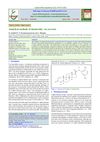
 Dutasteride is more effective than finasteride for hair loss treatment.
November 2023 in “Bioengineering” AMT® is effective and safe for early-stage knee osteoarthritis.
 November 2023 in “Advances and Applications in Statistics”
 AI can effectively predict COVID-19 mortality risk using patient data.
 November 2023 in “The journal of investigative dermatology/Journal of investigative dermatology”
 The document concludes that a new questionnaire to assess mental health in alopecia patients shows low rates of seeking mental health services and support groups.
 October 2023 in “International journal of research in Ayurveda and pharmacy”
 Keedari thailam is effective for treating alopecia areata and has multiple health benefits.
 October 2023 in “bioRxiv (Cold Spring Harbor Laboratory)”
 Hair follicles can be kept in RNAlater® at cool or room temperature for a week without harming RNA quality.
 September 2023 in “JP Journal of Biostatistics”
 The random forest model effectively helps diagnose COVID-19 using key factors like age and symptoms.
September 2023 in “Journal of the American Academy of Dermatology” The model can effectively identify good quality skin images but needs more testing for real-world use.
Excluding alopecia and mucous membrane components from the CLASI-A score reduces its effectiveness in capturing important disease activity.
May 2023 in “Journal of the European Academy of Dermatology and Venereology” Many people experience hair loss after COVID-19 infection.
 April 2023 in “JMIR Research Protocols”
 The study aims to create a model to predict health attributes using diverse health data from Japanese adults.
 April 2023 in “Journal of Investigative Dermatology”
 The AI model somewhat predicts lymph node status in melanoma patients using skin sample images.
April 2023 in “Dermatologica Sinica” The Pemphigus Disease Area Index and Autoimmune Bullous Skin Disorder Intensity Score are the best tools for assessing pemphigus severity.
March 2022 in “Journal of cosmetic dermatology” Botanical extracts can help treat hair loss in people with certain genetic conditions.
 January 2022 in “Stem cell biology and regenerative medicine”
 Stem cell therapies show promise for hair regrowth but need more research to confirm effectiveness.
 October 2021 in “Dermatology reports”
 The care model improved timely diagnosis and treatment for psoriasis and psoriatic arthritis.
 July 2021 in “Clinical Medicine”
 The authors agree they didn't follow the original criteria strictly but found the Ottawa rule effective in all tested patients and suggest it might have wider use.
April 2021 in “Journal of Investigative Dermatology” Arg1+ macrophages may play a role in causing alopecia areata.
 January 2021 in “Research Square (Research Square)”
 Chinese fine-wool sheep have genetic variations linked to traits like milk and health, with some genes under strong selection.