 6 citations
,
May 2020 in “Pharmacology Research & Perspectives”
6 citations
,
May 2020 in “Pharmacology Research & Perspectives” A new gel form of minoxidil is equally effective for hair growth and safer for the heart and other organs than the traditional solution.
 17 citations
,
August 2011 in “Current Medicinal Chemistry”
17 citations
,
August 2011 in “Current Medicinal Chemistry” New treatments for enlarged prostate are being developed, some of which may be more effective than current medications.
20 citations
,
August 1997 in “PubMed” Increased K+ permeability alone may not promote hair growth.
 November 2024 in “ACS Materials Letters”
 The new nitric oxide delivery system may effectively treat hair loss by improving hair follicle health and reducing inflammation.
February 2026 in “European journal of medical research” Combining α-blockers with 5α-reductase inhibitors improves symptoms and outcomes for severe benign prostatic hyperplasia.
 90 citations
,
November 1980 in “Annals of Internal Medicine”
90 citations
,
November 1980 in “Annals of Internal Medicine” Long-term use of minoxidil for high blood pressure can delay kidney failure in some patients and improve kidney function in others with severe hypertension.
 39 citations
,
November 1987 in “Clinica Chimica Acta”
39 citations
,
November 1987 in “Clinica Chimica Acta” Human platelets change minoxidil to minoxidil sulfate, helping blood vessels widen.
2 citations
,
January 2016 Optimized formulations with specific ingredients can significantly improve skin delivery of topical drugs.
 29 citations
,
October 1996 in “Toxicology and Applied Pharmacology”
29 citations
,
October 1996 in “Toxicology and Applied Pharmacology” Higher minoxidil doses in dogs cause faster heart rate, lower blood pressure, and heart issues.
 October 2008 in “Clin-alert”
 Certain medications can reduce mortality risk in COPD patients, but others can increase risks of cardiovascular issues, postoperative delirium, and other adverse effects.
 July 2003 in “Pediatrics in review”
 In 2001, the FDA approved 12 new drugs for children to treat allergies, asthma, ADHD, birth control, and other conditions.
 23 citations
,
March 1988 in “Biochemical Pharmacology”
23 citations
,
March 1988 in “Biochemical Pharmacology” Minoxidil stops cells from making prostacyclin, which may help with hair growth. More research is needed.
 May 2024 in “The journal of investigative dermatology/Journal of investigative dermatology”
 Applying DMG-Na to the skin increases blood flow and may help with skin conditions.
6 citations
,
January 1988 in “PubMed” Topical minoxidil does not increase skin blood flow.
January 2025 in “International Journal of Dermatology”  January 2025 in “The Pharma Innovation”
 Nanospanlastic vesicles can improve glaucoma treatment by enhancing drug delivery to the eye.
 April 2024 in “Vestnik oftalʹmologii”
 Stopping minoxidil and using prostaglandin analogues improved the man's eye condition.
 June 1982 in “Reactions (Auckland)”
 Metoprolol and propranolol may cause hair loss.
 6 citations
,
September 1988 in “Drug intelligence & clinical pharmacy”
6 citations
,
September 1988 in “Drug intelligence & clinical pharmacy” Minoxidil caused a severe rash in a patient, which improved after stopping the drug.
March 2026 in “Journal of the American Academy of Dermatology” Lower doses of oral minoxidil can promote hair growth without major heart risks.
 34 citations
,
September 2013 in “Urology”
34 citations
,
September 2013 in “Urology” Long-term use of a certain medication can worsen erectile function in aged rats by damaging penile muscle cells.
 21 citations
,
October 2015 in “Current Drug Targets”
21 citations
,
October 2015 in “Current Drug Targets” Both dutasteride and finasteride improve urinary symptoms, but dutasteride may be better at reducing the risk of prostate surgery and sudden inability to urinate.
 66 citations
,
April 2017 in “International Journal of Andrology”
66 citations
,
April 2017 in “International Journal of Andrology” Men taking 5α-reductase inhibitors for enlarged prostate have a higher chance of experiencing reduced sexual desire and erectile dysfunction.
 25 citations
,
January 2002 in “Folia Pharmacologica Japonica”
25 citations
,
January 2002 in “Folia Pharmacologica Japonica” Minoxidil helps hair grow by improving blood flow and increasing growth factors in hair follicles.
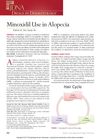 1 citations
,
August 2017
1 citations
,
August 2017 Minoxidil helps stimulate hair growth and enlarge small follicles in common hair loss, but doesn't stop it, and its effects can be boosted when combined with finasteride.

Oral Minoxidil could be a safe and effective alternative treatment for various non-androgenic alopecias.
 43 citations
,
January 1977 in “Toxicology and Applied Pharmacology”
43 citations
,
January 1977 in “Toxicology and Applied Pharmacology” Minoxidil is mostly safe, but high doses can cause electrolyte imbalances and heart issues in dogs.
 22 citations
,
April 1985 in “Australasian Journal of Dermatology”
22 citations
,
April 1985 in “Australasian Journal of Dermatology” Beta-blockers can cause rare skin side-effects, which usually improve after stopping the medication.
1 citations
,
March 2023 in “Journal of the American College of Cardiology”