 44 citations
,
August 2008 in “Archives of Dermatology”
44 citations
,
August 2008 in “Archives of Dermatology” Trichoscopy is a non-invasive way to diagnose hair and scalp problems without needing hair samples.
 42 citations
,
June 2009 in “Journal of Cosmetic Dermatology”
42 citations
,
June 2009 in “Journal of Cosmetic Dermatology” Hair loss in males involves inflammation, collagen buildup, and follicle damage, with severity increasing with age and baldness duration.
 42 citations
,
December 1990 in “The Journal of Dermatologic Surgery and Oncology”
42 citations
,
December 1990 in “The Journal of Dermatologic Surgery and Oncology” The study found that horizontal sections of scalp biopsies are better for analyzing hair loss, showing fewer hairs and more fine hairs in balding areas.
 40 citations
,
December 2004 in “Dermatology”
40 citations
,
December 2004 in “Dermatology” Kenogen increases with hair loss in women.
 39 citations
,
November 2017 in “Journal of The American Academy of Dermatology”
39 citations
,
November 2017 in “Journal of The American Academy of Dermatology” The document suggests using standardized methods to track and measure hair loss in alopecia areata, including patient self-assessment and a 50% improvement in specific scores as a treatment goal.
 39 citations
,
January 2011 in “Archives of Dermatology”
39 citations
,
January 2011 in “Archives of Dermatology” Reflectance confocal microscopy confirms that yellow dots are signs of damaged hair follicles in alopecia areata.
35 citations
,
September 2011 in “The Journal of Dermatology” Trichoscopy helps accurately diagnose temporal triangular alopecia.
 33 citations
,
December 2005 in “Archives of dermatology”
33 citations
,
December 2005 in “Archives of dermatology” Alefacept showed some effectiveness for alopecia areata but needs more research.
32 citations
,
August 2016 in “Journal of the American Academy of Dermatology” Temporal triangular alopecia is a non-scarring hair loss in children, often linked to other health conditions.
 32 citations
,
March 1987 in “Journal of The American Academy of Dermatology”
32 citations
,
March 1987 in “Journal of The American Academy of Dermatology” Using minoxidil on balding men's scalps can increase hair growth, according to a 12-month study.
 31 citations
,
March 2017 in “Journal of The American Academy of Dermatology”
31 citations
,
March 2017 in “Journal of The American Academy of Dermatology” Some breast cancer patients developed permanent hair loss after chemotherapy and hormonal therapy, showing patterns similar to common baldness and alopecia areata.
26 citations
,
June 1988 in “PubMed” 3% topical minoxidil is ineffective for severe chronic alopecia areata.
26 citations
,
December 1979 in “Journal of Cutaneous Pathology” Seborrheic keratoses may partly come from hair follicle cells.
 25 citations
,
April 2018 in “Journal of Cosmetic Dermatology”
25 citations
,
April 2018 in “Journal of Cosmetic Dermatology” PRP injections increase hair density and diameter in female androgenetic alopecia patients.
 25 citations
,
March 2013 in “British Journal of Dermatology”
25 citations
,
March 2013 in “British Journal of Dermatology” Woman has discoid lupus, frontal fibrosing, and androgenetic alopecia.
 24 citations
,
September 2014 in “Journal of the European Academy of Dermatology and Venereology”
24 citations
,
September 2014 in “Journal of the European Academy of Dermatology and Venereology” Trichoscopy is reliable for diagnosing Temporal Triangular Alopecia and can prevent unnecessary biopsies and wrong treatments.
 22 citations
,
October 2019 in “Dermatologic Surgery”
22 citations
,
October 2019 in “Dermatologic Surgery” Both Platelet-Rich Plasma and Minoxidil foam increase hair count in women with hair loss, but Minoxidil is more effective. However, women were more satisfied with Platelet-Rich Plasma treatment.
21 citations
,
November 1969 in “Journal of Investigative Dermatology” A new staining method clearly shows nerves around eyebrow hair follicles.
 19 citations
,
September 2016 in “Journal of the European Academy of Dermatology and Venereology”
19 citations
,
September 2016 in “Journal of the European Academy of Dermatology and Venereology” Trichofolliculoma is a unique benign tumor mainly affecting middle-aged adults' faces, often misdiagnosed without histopathology.
18 citations
,
April 2002 in “Journal of cutaneous pathology” Tiny infundibular cysts are the main lesions in chloracne, not comedones.
 16 citations
,
July 2013 in “The American Journal of Dermatopathology”
16 citations
,
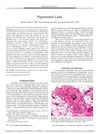
July 2013 in “The American Journal of Dermatopathology” Pigmented casts are common in several hair loss conditions and can help diagnose specific types of alopecia.
16 citations
,
January 1998 in “Dermatology” Androgens may worsen a natural hair resting phase, possibly leading to hair loss.
15 citations
,
April 2016 in “The Journal of Dermatology” Multiple courses of pulse corticosteroid therapy improve hair growth in alopecia areata patients with minimal side effects.
15 citations
,
February 2015 in “Anais brasileiros de dermatologia/Anais Brasileiros de Dermatologia” Dermoscopy helps accurately diagnose temporal triangular alopecia, avoiding unnecessary treatments.
 14 citations
,
April 2020 in “Journal of Cosmetic Dermatology”
14 citations
,
April 2020 in “Journal of Cosmetic Dermatology” QR678 treatments were more effective and comfortable for male hair loss than PRP treatments.
14 citations
,
April 1987 in “PubMed” Topical minoxidil can promote hair growth in men with hereditary hair loss, with no serious side effects.
14 citations
,
May 1979 in “International Journal of Dermatology” Trichostasis spinulosa mainly affects the nose, with many tiny hairs in one follicle, possibly influenced by hormones and sunlight.
13 citations
,
January 2018 in “Skin Appendage Disorders” Dermoscopy improves diagnosis and treatment planning for trichostasis spinulosa.
13 citations
,
July 2012 in “International Journal of Trichology” TTD symptoms vary widely, requiring thorough evaluations.
 13 citations
,
January 2011 in “International Journal of Trichology”
13 citations
,
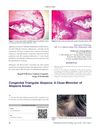
January 2011 in “International Journal of Trichology” CTA is often mistaken for AA but doesn't respond to steroids and may require hair transplantation.