September 2016 in “Journal of dermatological science” TSC2 is crucial for proper hair follicle development and patterning.
January 2011 in “InTech eBooks” Pesticide exposure may increase the risk of hypospadias in males.
119 citations
,
January 2000 in “British Journal of Dermatology” Different parts of the nail express different keratins, showing unique patterns of differentiation.
 115 citations
,
October 2003 in “Journal of Neuroscience”
115 citations
,
October 2003 in “Journal of Neuroscience” Aβ afferents do not sprout into the superficial spinal cord layers after nerve injury.
 60 citations
,
March 2014 in “Veterinary dermatology”
60 citations
,
March 2014 in “Veterinary dermatology” Cats with atopic dermatitis often have severe, year-round itching and respond well to certain treatments.
36 citations
,
February 2004 in “Veterinary Dermatology” Lymphangiosarcoma was confirmed in cats with specific skin symptoms using a lymphatic marker.
28 citations
,
September 2013 in “European Journal of Histochemistry” Keratins in Malayan pangolins vary by region, suggesting scales evolved from the tail towards the head.
21 citations
,
December 2015 in “Development Growth & Differentiation” DHT is crucial for urethral formation, and its disruption can affect masculinization and lead to hypospadias.
 15 citations
,
January 2012 in “Journal of Veterinary Science”
15 citations
,
January 2012 in “Journal of Veterinary Science” Different dog breeds have varying skin thickness and protein expression in their skin.
11 citations
,
November 1991 in “Journal of Neuropathology & Experimental Neurology” Brindled mice show abnormal catecholamine neuron development due to copper deficiency.
 6 citations
,
September 2016 in “American journal of medical and biological research”
6 citations
,
September 2016 in “American journal of medical and biological research” Male cattle skin is better for quality leather production.
Understanding hair follicle interactions can help treat male pattern baldness.
 March 2023 in “Journal of Veterinary Medicine and Animal Health”
 The fly larvae infestation caused severe skin damage and health issues in Kenyan dogs.
 September 2022 in “Plastic and Reconstructive Surgery”
 Baricitinib helps with severe hair loss, negative-pressure therapy lowers hernia recurrence, tranexamic acid reduces bleeding, robot-assisted breast surgery may improve outcomes, and acellular dermal matrix could decrease breast reconstruction complications.
January 2022 in “Indian Journal of Psychiatry/Indian journal of psychiatry” Lithium for bipolar disorder can cause skin problems like rashes, which go away when the medication is stopped.
 September 2011 in “Clinical Biochemistry”
 Sodium metasilicate improved spinal motoneuron recovery after sciatic nerve injury in rats.
March 2011 in “Pigment Cell & Melanoma Research” The Agouti gene influences pigmentation and may have a developmental role in deer mice.
January 1996 in “TURKISH JOURNAL OF VETERINARY AND ANIMAL SCIENCES” Brown bear skin has two main layers, with the thickest skin on the back and thinnest on the belly.
 6 citations
,
July 2007 in “Developmental Dynamics”
6 citations
,
July 2007 in “Developmental Dynamics” The molecule Wise is involved in the development of various structures in chick embryos.
 September 2011 in “Urology”
 Urinary PSA could be an early marker for enlarged prostate.
Androgens increase norepinephrine release, promoting smooth muscle growth in male sex organs, which may contribute to benign prostatic hypertrophy.
 April 2010 in “The Journal of Urology”
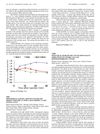
 Human prostate cells produce more WISP1/CCN4 when there's not enough oxygen.
7 citations
,
August 2012 in “The Journal of Urology” Women with congenital adrenal hyperplasia showed no prostatic growth.
 March 2010 in “The Journal of Urology”
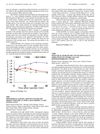
 Hair loss, prostate size, and urinary issues are related due to androgen effects.
 September 2009 in “European Urology Supplements”
 After prostate removal surgery, higher initial prostate size was linked to higher urethral PSA levels and more severe male pattern baldness.
January 2010 in “Journal of Oriental Medicine” Phellodendri Cortex Extract may help treat enlarged prostate.
Finasteride treatment increased blood volume and reduced vessel leakiness in beagle prostates.
 September 2005 in “Archives of Dermatological Research”
 Large prostate patients more likely to have hair loss.
7 citations
,
September 1997 in “PubMed” August 2010 in “한국한의학연구원 논문집” Phellodendri Cortex Extract may help treat benign prostatic hyperplasia.