 1 citations
,
May 2020 in “Journal of The American Academy of Dermatology”
1 citations
,
May 2020 in “Journal of The American Academy of Dermatology” Inflammation and fibrosis are important factors in hair loss, but more research with better control samples is needed.
July 2024 in “Journal of Investigative Dermatology” Cell movements and forces shape feather growth in chicken skin.
 March 2024 in “Case Reports in Dermatology”
 A woman's hair loss was misdiagnosed as alopecia areata but was actually lichen planopilaris, needing immediate and ongoing treatment.
 May 2011 in “Archives of Plastic Surgery”
 Korean men in their 20s and 30s most commonly have an inverted U-shaped hairline.
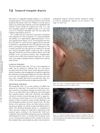 April 2012 in “Informa Healthcare eBooks”
 Temporal triangular alopecia is a lifelong condition with hairless patches on the side of the head that may be present from birth.
 3 citations
,
October 2021 in “Indian Journal of Plastic Surgery”
3 citations
,
October 2021 in “Indian Journal of Plastic Surgery” Follicular unit extraction is a hair transplant method that can leave small scars and uses various tools for harvesting hair from different body parts.
 27 citations
,
November 2008 in “Facial Plastic Surgery”
27 citations
,
November 2008 in “Facial Plastic Surgery” Follicular Unit Extraction is a less invasive hair transplant method with potential for natural results but has challenges like longer surgery time and higher cost.
 153 citations
,
August 2002 in “Dermatologic Surgery”
153 citations
,
August 2002 in “Dermatologic Surgery” Follicular Unit Extraction (FUE) is a less invasive hair transplant method with minimal scarring, suitable for about 60% of patients, especially those needing fewer grafts and quicker recovery.
December 2025 in “Indian Journal of Dermatology” Extraction videodermoscopy is an effective, non-invasive diagnostic tool for eruptive vellus hair cysts.
 July 2013 in “Hair transplant forum international”
 Dr. James Harris successfully incorporated Follicular Unit Extraction into his hair restoration practice, offering more surgical options and achieving natural results with the help of a team approach.
 4 citations
,
January 2018 in “Hair transplant forum international”
4 citations
,
January 2018 in “Hair transplant forum international” The document suggests changing "Follicular Unit Extraction" to "Follicular Unit Excision" to more accurately describe the surgical hair transplant procedure.
 41 citations
,
August 2013 in “Facial Plastic Surgery Clinics of North America”
41 citations
,
August 2013 in “Facial Plastic Surgery Clinics of North America” FUE provides minimal scarring and quick recovery in hair transplantation, and surgeons not using it may lag in technology.
 October 2023 in “Facial Plastic Surgery”
 The FUE-LE technique combines two hair transplant methods to improve graft yield without needing a large team or extra costs.
1 citations
,
January 2020 FUE is a preferred hair restoration method because it avoids large scars and offers less pain.
November 2013 in “Journal of clinical & experimental dermatology research” The follicular unit extraction method for hair transplants is a technique with benefits and drawbacks.
1 citations
,
January 2001 in “Acta Archaeologica Academiae Scientiarum Hungaricae” FUE is a less invasive hair restoration method that avoids visible scars and reduces recovery time.
 1 citations
,
November 2009 in “Cambridge University Press eBooks”
1 citations
,
November 2009 in “Cambridge University Press eBooks” FUE is a less invasive hair restoration method with potential to become standard, offering benefits like reduced scarring and pain, but requires experience to minimize risks.
 2 citations
,
January 2022 in “Hair transplant forum international”
2 citations
,
January 2022 in “Hair transplant forum international” The FUE-LE technique combines two hair transplant methods to harvest more hair with minimal visible scarring, especially for patients with advanced hair loss.
 13 citations
,
August 2002 in “Dermatologic Surgery”
13 citations
,
August 2002 in “Dermatologic Surgery” FUE is a less invasive hair transplant method suitable for many patients, but it has limitations and may not replace traditional techniques.
October 2022 in “Hair Transplantation” Motorized FUE with blunt punches improved hair restoration by reducing damage during graft harvesting.
 November 2006 in “Dermatologic Surgery”
 Cutting hair follicles into pieces for transplantation results in poor growth and thinner hair, and the technique is more invasive than previously thought.
 16 citations
,
January 2014 in “Dermatology online journal”
16 citations
,
January 2014 in “Dermatology online journal” The document concludes that Follicular Unit Extraction is an advanced, less invasive hair transplant method with fewer side effects than traditional methods.
January 2024 in “Srpski arhiv za celokupno lekarstvo” The new device improves hair transplant results by enhancing follicle viability and allowing more grafts in one day.
 December 2024 in “Journal of Cutaneous and Aesthetic Surgery”
 Advanced FUE systems have evolved to improve precision and efficiency in hair transplantation.
 5 citations
,
September 2012 in “Dermatology Online Journal”
5 citations
,
September 2012 in “Dermatology Online Journal” Follicular Unit Extraction (FUE) hair transplant is less invasive, leaves no scars, and has quicker recovery times, but it's more time-consuming and challenging. Automation helps speed up the process and improve graft survival, reducing the need for traditional strip surgery.
88 citations
,
January 2010 in “Escritura pública” A combined strip and FUE method with careful planning improves hair restoration results.
January 2020 in “Hair therapy & transplantation” FUE is a modern hair transplant method that avoids large scars and is good for short hair.
 4 citations
,
January 2012 in “International Society of Hair Restoration Surgery”
4 citations
,
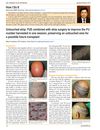
January 2012 in “International Society of Hair Restoration Surgery” Combining FUE and strip surgery increases hair harvested in one session and keeps options open for future transplants.
 November 2023 in “Facial Plastic Surgery”
 Follicular Unit Excision (FUE) is a popular, less invasive hair restoration method with high patient satisfaction when done correctly, despite some complications from untrained practitioners.
 14 citations
,
May 2019 in “Journal of Maxillofacial and Oral Surgery”
14 citations
,
May 2019 in “Journal of Maxillofacial and Oral Surgery” FUE hair transplant is a promising method with benefits like less scarring, but requires a skilled surgeon and can damage hair follicles.