 7 citations
,
December 2016 in “Journal of The Taiwan Institute of Chemical Engineers”
7 citations
,
December 2016 in “Journal of The Taiwan Institute of Chemical Engineers” Pig blood plasma can be used to promote human hair growth and is a good alternative to the commonly used serum additive.
 208 citations
,
December 2003 in “Journal of Investigative Dermatology”
208 citations
,
December 2003 in “Journal of Investigative Dermatology” Certain cells from hair follicles can create new hair and contribute to hair growth when implanted in mice.
 37 citations
,
January 2009 in “The Journal of Dermatology”
37 citations
,
January 2009 in “The Journal of Dermatology” Hair follicle stem cells can turn into various cell types and help repair nerves.
21 citations
,
January 2010 in “Skin pharmacology and physiology” Special creams can significantly reduce pollen allergens getting into hair follicles.
 13 citations
,
January 2022 in “Stem cell reviews and reports”
13 citations
,
January 2022 in “Stem cell reviews and reports” Mouse stem cells from hair follicles can improve wound healing and reduce scarring.
12 citations
,
May 2016 in “Experimental Dermatology” A new skin model from hair follicles is a safer, simpler alternative for skin tests.
12 citations
,
March 2012 in “ATLA. Alternatives to laboratory animals” Hair follicles significantly affect the skin absorption of some drugs.
6 citations
,
August 2020 in “Cell regeneration” Hair follicle stem cells are similar to bone marrow stem cells but are better for fat cell research.
 4 citations
,
February 2020 in “Cell & tissue research/Cell and tissue research”
4 citations
,
February 2020 in “Cell & tissue research/Cell and tissue research” Hair follicle stem cells might help treat traumatic brain injury.
 3 citations
,
May 2017 in “British journal of dermatology/British journal of dermatology, Supplement”
3 citations
,
May 2017 in “British journal of dermatology/British journal of dermatology, Supplement” Certain cells around hair follicles help improve skin regeneration for potential use in skin grafts.
 2 citations
,
August 2020 in “Chemical and Pharmaceutical Bulletin”
2 citations
,
August 2020 in “Chemical and Pharmaceutical Bulletin” Rubbing increases drug absorption through hair follicles.
2 citations
,
January 2014 in “Journal of clinical and diagnostic research” Emerging therapies like stem cell and laser treatments show promise for hair regeneration.
February 2026 in “ACS Biomaterials Science & Engineering” Human stem cells can help grow hair for regenerative medicine.
April 2023 in “Journal of Investigative Dermatology” Staphylococcus epidermidis affects hair growth and metabolism, suggesting it could help manage hair growth issues.
April 2016 in “The journal of investigative dermatology/Journal of investigative dermatology” Neoplasms hide in hair follicles to avoid the immune system.
 April 2016 in “Journal of Investigative Dermatology”
 Blocking Prostaglandin D₂ (PGD₂) could help treat hair loss.

Valproic acid and rapamycin protect hair follicle stem cells from damage by activating a protective pathway.
 May 2023 in “Cytotherapy”
 Hair follicle and adipose cell vesicles both protect neurons and reduce inflammation similarly.
December 2020 in “Research Square (Research Square)” Neural cell nanovesicles help hair growth by activating key signals.
1 citations
,
October 1996 in “Dermatologic clinics” Adiponectin reduces inflammation and bone loss in joint replacements.
8 citations
,
October 2012 in “Transgenic Research” Overexpressing the human H-ferritin gene in mice causes mild growth delay and temporary hair loss.
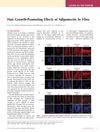 22 citations
,
June 2012 in “Journal of Investigative Dermatology”
22 citations
,
June 2012 in “Journal of Investigative Dermatology” Adiponectin may stimulate hair growth and could be a potential treatment for promoting hair growth.
18 citations
,
November 2016 in “Transgenic research” Overexpressing Tβ4 in cashmere goats improves hair fiber traits and increases cashmere yield.
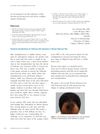 6 citations
,
May 2013 in “Dermatologic Surgery”
6 citations
,
May 2013 in “Dermatologic Surgery” FUE can be successfully done on African-American hair by using larger punch tools and careful techniques to reduce hair damage.
 6 citations
,
October 2000 in “International Journal of Dermatology”
6 citations
,
October 2000 in “International Journal of Dermatology” Preventing hair loss is more effective than regrowth; oral finasteride is a realistic option.
 13 citations
,
May 2005 in “Seminars in Plastic Surgery”
13 citations
,
May 2005 in “Seminars in Plastic Surgery” Follicular Cell Implantation might become a new treatment for hair loss and could lead to advances in organ regeneration.
 8 citations
,
May 2019 in “Indian Journal of Plastic Surgery/Indian journal of plastic surgery”
8 citations
,
May 2019 in “Indian Journal of Plastic Surgery/Indian journal of plastic surgery” Plasma is better than Ringer's lactate for hair graft survival and growth after transplantation.
3 citations
,
June 2022 in “Cells” The conclusion is that the new method makes collecting cells from plucked hair to create stem cells more efficient and less invasive.
 2 citations
,
August 2016 in “Lasers in Surgery and Medicine”
2 citations
,
August 2016 in “Lasers in Surgery and Medicine” Photodynamic therapy can remove nonpigmented hair in mice and might work for humans.
January 2020 in “Journal of Womens Health, Issues and Care” Scalp micropigmentation is a successful, non-surgical way to make hair look fuller.