April 2020 in “International journal of reproduction, contraception, obstetrics and gynecology” A postmenopausal woman with hair loss and hirsutism improved after surgery to remove an ovarian tumor.
 4 citations
,
November 2018 in “Endocrinology, Diabetes & Metabolism Case Reports”
4 citations
,
November 2018 in “Endocrinology, Diabetes & Metabolism Case Reports” GnRH analogue can help diagnose ovarian causes of high testosterone in postmenopausal women when scans don't show the cause.
 January 2021 in “Case Reports”
 A 71-year-old woman developed male-like features due to high testosterone levels caused by a benign ovarian tumor, which was successfully removed by surgery.
The case showed the need for quick investigation of virilization in women and how emotional health is linked to physical health.
51 citations
,
March 2022 in “Frontiers in Immunology” Alarmin cytokines are key in controlling skin immunity and inflammation.
 April 2024 in “JCEM case reports”
 A woman's rare benign tumor that released both cortisol and testosterone was successfully removed, improving her health.
 September 2022 in “Curēus”
 The removed ovarian tumor was a rare type of blood vessel tumor that improved the patient's symptoms and hormone levels after surgery.
January 2026 in “JCEM Case Reports” Benign conditions can mimic serious ones in postmenopausal hyperandrogenism, requiring careful diagnosis.
January 2007 in “Annals of The Royal College of Surgeons of England” Removing a hormone-producing adrenal tumor can stop hair loss in women with high testosterone levels.
 16 citations
,
August 2007 in “Histopathology”
16 citations
,
August 2007 in “Histopathology” A woman's rare adrenal tumor caused high testosterone and cortisol levels, which normalized after the tumor was removed.
 4 citations
,
November 2013 in “Journal of IMAB - Annual Proceeding (Scientific Papers)”
4 citations
,
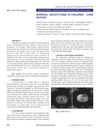
November 2013 in “Journal of IMAB - Annual Proceeding (Scientific Papers)” A rare adrenal tumor in a 9-year-old girl was successfully treated with surgery.
 2 citations
,
May 2018 in “Diagnosis”
2 citations
,
May 2018 in “Diagnosis” A 68-year-old woman developed male traits due to a tumor in her ovary, which was removed, returning her hormone levels to normal.
 11 citations
,
January 2013 in “Indian Journal of Endocrinology and Metabolism”
11 citations
,
January 2013 in “Indian Journal of Endocrinology and Metabolism” A woman with a rare adrenal tumor and hormonal disorder had improved testosterone levels after surgery, but her menstrual irregularities continued.
 2 citations
,
July 2012 in “Journal of Pediatric and Adolescent Gynecology”
2 citations
,
July 2012 in “Journal of Pediatric and Adolescent Gynecology” A 12-year-old girl with very high testosterone and insulin resistance improved with birth control pills, suggesting PCOS can cause high testosterone without tumors.
6 citations
,
July 2018 in “DOAJ (DOAJ: Directory of Open Access Journals)” A woman had a rare liver tumor causing male-like physical changes, highlighting the need for thorough checks when such symptoms appear.
 July 2023 in “Endocrinology, diabetes & metabolism case reports”
 Sertoliform endometrioid carcinoma of the ovary, though rare, has a good prognosis when treated early.
 12 citations
,
January 2009 in “Gynecological Endocrinology”
12 citations
,
January 2009 in “Gynecological Endocrinology” A postmenopausal woman's hair loss and excess hair growth improved after surgery for ovarian hyperthecosis.
 13 citations
,
January 1995 in “Postgraduate medicine”
13 citations
,
January 1995 in “Postgraduate medicine” Excessive hair growth in women can be harmless or signal serious health issues, and treatment often includes medication and hair removal, with noticeable results after 3-6 months.
 10 citations
,
May 1995 in “Journal of General Internal Medicine”
10 citations
,
May 1995 in “Journal of General Internal Medicine” Most women with excessive hair growth have PCOS; treatment varies and focuses on preventing new hair, with electrolysis as the only permanent removal method.
 1 citations
,
January 2017 in “Tohoku journal of experimental medicine”
1 citations
,
January 2017 in “Tohoku journal of experimental medicine” A woman's mature cystic teratoma caused her virilization by producing testosterone.
56 citations
,
July 2014 in “PloS one” SARMs may be an effective treatment for a certain type of breast cancer by blocking cancer growth and spread.
2 citations
,
September 2025 in “Frontiers in Endocrinology” SARMs show promise but need more evidence to prove they're better than traditional androgens.
December 2023 in “Indian Journal of Endocrinology and Metabolism” Early diagnosis, genetic testing, and innovative treatments are crucial for managing complex medical conditions.
 1 citations
,
February 1988 in “The BMJ”
1 citations
,
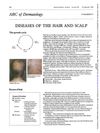
February 1988 in “The BMJ” The document explains different hair and scalp conditions, including common hair loss after pregnancy or illness, drug-induced hair loss, hereditary excessive hair growth, patterned baldness, autoimmune hair loss, and permanent loss due to skin disease, with generally limited treatment options.
 October 2023 in “The Journal of clinical endocrinology and metabolism/Journal of clinical endocrinology & metabolism”
 Hyperandrogenism increases heart disease risk in premenopausal women, but this risk is linked to obesity in postmenopausal women.
 July 2017 in “Contemporary Endocrinology”
 The document concludes that patient outcomes for Congenital Adrenal Hyperplasia are often not ideal because of poor management and a need for better diagnosis and treatment methods.
 253 citations
,
March 2006 in “The Journal of Clinical Endocrinology and Metabolism”
253 citations
,
March 2006 in “The Journal of Clinical Endocrinology and Metabolism” Exposure to too much androgen before birth might cause polycystic ovary syndrome later in life.
 75 citations
,
June 1999 in “Pediatric Clinics of North America”
75 citations
,
June 1999 in “Pediatric Clinics of North America” The document concludes that early recognition and treatment of PCOS in adolescents is crucial for managing symptoms and long-term health risks.
 73 citations
,
April 1999 in “Dermatologic Clinics”
73 citations
,
April 1999 in “Dermatologic Clinics” Lasers and light sources can effectively remove hair, work best on fair skin with dark hair, and usually need multiple treatments.
 50 citations
,
April 2000 in “Fertility and Sterility”
50 citations
,
April 2000 in “Fertility and Sterility” Diane 35 plus finasteride is more effective in reducing hair growth and androgen levels, but may decrease libido.