 1 citations
,
September 2007 in “European journal of paediatric neurology”
1 citations
,
September 2007 in “European journal of paediatric neurology” Low dose valproic acid treatment caused hair loss in a young patient.
1 citations
,
December 1982 in “PubMed” Sodium valproate effectively reduces seizures in children with epilepsy, especially in primary generalized cases.
73 citations
,
October 2001 in “Epilepsia” Children taking higher doses of valproic acid had lower biotinidase activity, which may lead to biotin deficiency, but biotin supplements could help.
 68 citations
,
March 2018 in “Biomaterials”
68 citations
,
March 2018 in “Biomaterials” Tiny needles with valproic acid can effectively regrow hair.
55 citations
,
December 1983 in “Acta Neurologica Scandinavica” Carbamazepine, valproate, and clonazepam can cause mild to serious side effects during long-term epilepsy treatment.
 48 citations
,
June 2013 in “Journal of Dermatological Science”
48 citations
,
June 2013 in “Journal of Dermatological Science” Valproic acid may help hair grow and could be a safe treatment for hair loss.
 47 citations
,
March 2019 in “Journal of immunology research”
47 citations
,
March 2019 in “Journal of immunology research” Valproic Acid could potentially be used to treat immune-related conditions due to its ability to modify immune cell functions.
 37 citations
,
June 2017 in “Journal of Investigative Dermatology”
37 citations
,
June 2017 in “Journal of Investigative Dermatology” Blocking a protein called CXXC5 with a specific peptide can stimulate hair regrowth and new hair growth in wounds.
 37 citations
,
February 2014 in “Journal of Dermatology”
37 citations
,
February 2014 in “Journal of Dermatology” Valproic acid increases hair count in men with hair loss.
36 citations
,
October 2008 in “European journal of paediatric neurology” Valproic acid treatment may cause temporary hair loss due to reduced zinc and biotinidase levels, which tend to normalize after 6 months.
 34 citations
,
January 2008 in “International Review of Neurobiology”
34 citations
,
January 2008 in “International Review of Neurobiology” Epilepsy and certain epilepsy drugs can lead to reproductive problems in women, but changing medication might improve these issues.
29 citations
,
March 1987 in “Therapeutic Drug Monitoring” Combining sodium valproate with other epilepsy drugs increases ammonia levels and side effects.
 26 citations
,
November 2016 in “European Journal of Clinical Pharmacology”
26 citations
,
November 2016 in “European Journal of Clinical Pharmacology” Valproic acid helps delay hair loss and increases survival time for high-grade glioma patients undergoing radiation therapy.
22 citations
,
September 2008 in “Brain & development” Biotin supplements increased biotin levels but did not significantly prevent hair loss in rats on valproic acid.
 20 citations
,
December 2011 in “Journal of inherited metabolic disease”
20 citations
,
December 2011 in “Journal of inherited metabolic disease” Valproic acid treatment increases a specific acid in urine by blocking an enzyme, possibly causing skin rash and hair loss.
17 citations
,
January 2008 in “Journal of the American Academy of Dermatology” Valproic acid can cause hair loss, but information on hair color change is not detailed.
16 citations
,
October 1994 in “PubMed” Sodium valproate is a safe and effective epilepsy drug with manageable side effects.
15 citations
,
May 2006 in “Brain & development” Valproic acid may cause hair loss by reducing biotinidase enzyme activity in rats.
 13 citations
,
April 2019 in “Seizure”
13 citations
,
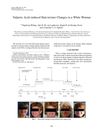
April 2019 in “Seizure” Valproic acid increases the risk of hair loss more than other drugs, especially in migraine patients, and lamotrigine may be a safer alternative.
 13 citations
,
January 2007 in “Epilepsia”
13 citations
,
January 2007 in “Epilepsia” Valproic acid can cause reversible hair curling and persistent hair thinning.
10 citations
,
January 2020 in “Acta Neurobiologiae Experimentalis” Valproic acid and crocin together boost cell growth and may help treat nerve injuries.
 10 citations
,
October 2016 in “Epilepsy & behavior”
10 citations
,
October 2016 in “Epilepsy & behavior” Levetiracetam often causes behavioral issues, while oxcarbazepine is more likely to cause sleepiness in epilepsy patients.
9 citations
,
January 2022 in “Biology” Male mice are more susceptible to autism-like changes from valproic acid than female mice.
7 citations
,
March 2018 in “Psychiatry and Clinical Psychopharmacology” Valproate can cause brain swelling with high ammonia levels, possibly underreported, especially in psychiatric patients.
7 citations
,
September 2007 Valproate sustained-release is effective and generally safe for short-term treatment of new partial epilepsy.
 6 citations
,
June 2013 in “Toxicological Research”
6 citations
,
June 2013 in “Toxicological Research” Topical Valproate is safe for human skin and unlikely to cause irritation.
 6 citations
,
April 2013 in “International Journal of Dermatology”
6 citations
,
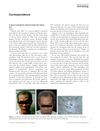
April 2013 in “International Journal of Dermatology” Valproic acid helped hair growth in alopecia patient; more research needed.
4 citations
,
October 2015 in “JAAD Case Reports” Surgical grafting may fix nail issues caused by valproic acid.
 1 citations
,
July 2023 in “International Journal of Biological Macromolecules”
1 citations
,
July 2023 in “International Journal of Biological Macromolecules” The study created a new hair loss treatment paste that regrows hair faster and with fewer side effects than minoxidil alone.
January 2026 in “Open Science Framework” More research is needed to find effective treatments for hair loss caused by valproic acid.