6 citations
,
August 2021 in “Clinical Epidemiology” Men using 5-alpha reductase inhibitors for prostate issues may have a slightly higher risk of blood clots.
 88 citations
,
June 2016 in “Human Reproduction Update”
88 citations
,
June 2016 in “Human Reproduction Update” New hormonal contraceptives are safer, have fewer side effects, and offer health benefits for women.
 63 citations
,
January 2012 in “The European Journal of Contraception & Reproductive Health Care”
63 citations
,
January 2012 in “The European Journal of Contraception & Reproductive Health Care” Some birth control pills have a higher risk of blood clots than others.
 57 citations
,
December 2018 in “JAMA Surgery”
57 citations
,
December 2018 in “JAMA Surgery” Hormone treatment for transgender patients may not need to be stopped before surgery, but more research is needed, especially on estrogen.
 32 citations
,
September 2018 in “Clinical Obstetrics and Gynecology”
32 citations
,
September 2018 in “Clinical Obstetrics and Gynecology” Hormone therapy for transgender females increases the risk of blood clots and requires careful dosing, monitoring, and lifelong management.
 31 citations
,
June 2015 in “British Journal of Dermatology”
31 citations
,
June 2015 in “British Journal of Dermatology” Hormonal treatments are effective as a second-line option for moderate-to-severe acne in females, but should be used with caution due to health risks.
 17 citations
,
June 2018 in “Sexual Medicine Reviews”
17 citations
,
June 2018 in “Sexual Medicine Reviews” The document concludes that non-operative treatment for gender dysphoria is safe and effective, and hormone therapy does not increase cancer risk.
 5 citations
,
March 2019 in “Facial Plastic Surgery Clinics of North America”
5 citations
,
March 2019 in “Facial Plastic Surgery Clinics of North America” The document concludes that gender-affirming treatments are essential for transgender individuals and outlines safe hormone therapy practices.
 3 citations
,
July 2022 in “BJOG: An International Journal of Obstetrics and Gynaecology”
3 citations
,
July 2022 in “BJOG: An International Journal of Obstetrics and Gynaecology” Some birth control pills increase young women's risk of blood clots more than others.
 September 2024 in “Journal of the American Academy of Dermatology”
 Alopecia areata patients have a higher risk of blood clots.
 July 2023 in “Dermatology and therapy”
 People with alopecia areata may have a higher risk of blood clots.
Tadalafil may reduce the risk of major heart events and blood clots in men with urinary symptoms.
 March 2002 in “Reactions Weekly”
 Some birth control pills increase blood clot risk; use them for specific conditions only.
 46 citations
,
January 2007 in “The European Journal of Contraception & Reproductive Health Care”
46 citations
,
January 2007 in “The European Journal of Contraception & Reproductive Health Care” Birth control pills increase the risk of blood clots, especially within the first year and with certain types.
18 citations
,
January 2022 in “Clinical Epidemiology” Higher doses of glucocorticoids increase the risk of blood clots in asthma patients.
1 citations
,
August 2024 in “Archives of Dermatological Research” Alopecia areata does not increase the risk of blood clots.
 22 citations
,
October 2018 in “British Journal of Haematology”
22 citations
,
October 2018 in “British Journal of Haematology” Women have a higher risk of blood clots from hormonal factors and need careful treatment, especially during pregnancy.
 August 2018 in “Journal of The American Academy of Dermatology”
 Patients with multiple superficial venous thrombosis are at greater risk for serious complications like cancer and recurrent blood clots.
1 citations
,
January 2020 in “VTechWorks (Virginia Tech)” αCT1 improves scar appearance by changing early collagen structure.
1 citations
,
February 2011 in “VTechWorks (Virginia Tech)” Government action is needed to address high prescription drug prices.
July 2008 in “VTechWorks (Virginia Tech)” PrPC is important for neural differentiation in cattle and mouse embryonic stem cells.
 January 2025 in “Geneesmiddelenbulletin”
 Baricitinib is effective and safe for treating severe alopecia areata with ongoing use.

Accurate diagnosis and timely, tailored treatments improve outcomes in obstetrics and gynecology.
 21 citations
,
November 2014 in “Journal of Endocrinological Investigation”
21 citations
,
November 2014 in “Journal of Endocrinological Investigation” Cross-sex hormone therapy is important for managing gender dysphoria and requires careful monitoring and healthcare provider education.
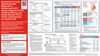 November 2025 in “SKIN The Journal of Cutaneous Medicine”
 Baricitinib significantly regrows hair in teens with severe alopecia areata.
 November 2020 in “Elsevier eBooks”
 Antiandrogens and androgen inhibitors like spironolactone, finasteride, and dutasteride can treat hair loss and skin conditions, but they have risks and side effects, including potential harm to pregnant women and risks of cancer and heart issues. Herbal remedies also have antiandrogenic effects but lack safety validation.
 2295 citations
,
August 2012 in “The international journal of transgenderism/International journal of transgenderism”
2295 citations
,
August 2012 in “The international journal of transgenderism/International journal of transgenderism” The guidelines recommend informed consent for gender-affirming treatments and stress the importance of personalized, culturally sensitive care for transgender individuals.
 254 citations
,
September 2014 in “Menopause”
254 citations
,
September 2014 in “Menopause” The NAMS 2014 recommendations guide healthcare providers on treating health issues in midlife women, emphasizing individualized care and informed decision-making.
 185 citations
,
August 2020 in “Mayo Clinic Proceedings”
185 citations
,
August 2020 in “Mayo Clinic Proceedings” Men are more likely to have severe COVID-19 cases and fatalities than women due to factors like lifestyle, aging, and biological differences.
 177 citations
,
July 2004 in “The Journal of Sexual Medicine”
177 citations
,
July 2004 in “The Journal of Sexual Medicine” Experts recommend thorough medical, sexual, and psychosocial assessments for women's sexual dysfunctions, and suggest individualized treatment plans with regular check-ups. They also mention potential use of estrogen and androgen therapy, but with caution due to safety concerns.