 January 2025 in “bioRxiv (Cold Spring Harbor Laboratory)”
 Rhamnose may help hair growth and pigmentation, making it a potential treatment for hair loss.
COVID-19 pneumonia may cause lasting lung damage like fibrosis.
 February 2024 in “Frontiers in physiology”
 Hair follicle stem cells help skin heal and grow during stretching.

New insights into cell communication in psoriasis suggest innovative drug treatments.
 October 2023 in “bioRxiv (Cold Spring Harbor Laboratory)”
 Immune cells are essential for early hair and skin development and healing.
 September 2023 in “Nature communications”
 Alk1 in specific cells is crucial for proper nerve branching and hair function.
 September 2023 in “bioRxiv (Cold Spring Harbor Laboratory)”
 FOL-026 peptide can help repair blood vessels and promote growth, offering potential treatment for vascular diseases.
 May 2023 in “Research Square (Research Square)”
 Shi-Bi-Man activates hair follicle stem cells and promotes hair growth by changing lactic acid metabolism and other cellular processes.
Placental cell medium boosts blood vessel growth in lab tests.
 June 2019 in “The Egyptian Journal of Histology”
 Hyaluronic acid injections improve skin thickness and quality, protecting against aging in rats.
 April 2019 in “Journal of Investigative Dermatology”
 Testosterone affects androgen receptors and lipid storage in cells, while DHEA does not convert to testosterone or affect these receptors in the same way.
 April 2019 in “Journal of Investigative Dermatology”
 The created skin model with melanoblasts improves the study of skin color and offers an alternative to animal testing.
 March 2017 in “Fundamental & Clinical Pharmacology”
 The model and estimator can predict drug exposure in kidney transplant patients well.
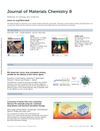 January 2016 in “Journal of Materials Chemistry B”
 Advancements in biomaterials and nanotechnology are improving medical applications like hair growth, bone regeneration, and cancer treatment.
 January 2015 in “D-Scholarship@Pitt (University of Pittsburgh)”
 Diabetic patients' stem cells make vascular grafts more prone to clots, but new methods may improve grafts.
Wound healing is complex and requires more research to enhance treatment methods.
 February 2010 in “ePrints Soton (University of Southampton)”
 Male sexual differentiation is regulated independently, while female differentiation occurs in an androgenic environment, affecting conditions like congenital adrenal hyperplasia.
 September 2004 in “Experimental dermatology”
 Melatonin directly affects mouse hair follicles and may influence hair growth.
 August 2020 in “International Journal of Clinical Practice”
 No link between hair loss and blood groups or Rhesus factor.
 April 2019 in “Journal of Investigative Dermatology”
 Low-level laser therapy helps hair growth and reduces hair loss with few side effects.
2 citations
,
September 2022 in “World Rabbit Science” The WIF1 gene is crucial for hair growth in Angora rabbits.
 January 2023 in “Burns & Trauma”
 The study concluded that the new wound model can be used to evaluate skin regeneration and nerve growth.
 November 2022 in “Van Sağlık Bilimleri Dergisi”
 Turkish Van cats' genotypes don't affect traits like eye color or hair length.
 1 citations
,
February 2018 in “British Journal of Dermatology”
1 citations
,
February 2018 in “British Journal of Dermatology” The CWARTS tool is a promising method for assessing warts and could improve treatment and research.
 March 1996 in “Hair transplant forum international”
 Kevis P.F. may help with hair care when used with other products.
28 citations
,
June 2023 in “Small” VVF alone can't fully describe porosity in granular scaffolds.
 4 citations
,
April 2018 in “Biotechnology Letters”
4 citations
,
April 2018 in “Biotechnology Letters” Human growth factor 20 can boost mouse whisker growth.
 February 2022 in “JID Innovations”
 The Virtual Magic Wand program successfully trained dermatologists in innovation, with most feeling capable of leading innovation teams and many starting companies.
 July 2025 in “bioRxiv (Cold Spring Harbor Laboratory)”
 A new Wnt surrogate specifically targets the Frizzled7 receptor, promoting organoid formation and hair growth.
Wavy sinus hairs in cats are linked to feline leukemia virus infection.