2 citations
,
January 2022 in “International journal of trichology” Eruptive vellus hair cysts are often missed in diagnoses.
12 citations
,
January 1991 in “Acta Dermato Venereologica” Basal cell epithelioma-like changes are most similar to normal basal cells.
 1 citations
,
February 2021 in “Cutis”
1 citations
,
February 2021 in “Cutis” COVID-19 can cause various skin symptoms, including rashes and lesions, which often appear early and can help in timely diagnosis.
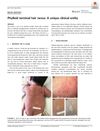 August 2018 in “Pediatric Dermatology”
 A baby had a unique skin condition with a pale patch and surrounding dark hairs, not linked to other health issues.

A 12-year-old girl was misdiagnosed with alopecia areata but actually had a nevus sebaceus with a genetic mutation.
June 2025 in “British Journal of Dermatology” A rare skin condition in a boy is likely due to a specific genetic mutation pattern.
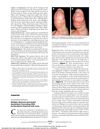 11 citations
,
December 2010 in “Archives of Dermatology”
11 citations
,
December 2010 in “Archives of Dermatology” A man with rare skin changes on his fingers was diagnosed with multiple myeloma-linked amyloidosis.
January 2026 in “Clinical Case Reports” Early diagnosis and treatment of Lichen Planopilaris are crucial to prevent permanent hair loss.
2 citations
,
December 2019 in “The Open Dermatology Journal” Linear Discoid Lupus Erythematosus of the scalp can cause hair loss and should be considered in similar cases.
 January 2024 in “Archives of pathology & laboratory medicine”
 New findings may help diagnose and understand scarring alopecia better.
 2 citations
,
June 2012 in “Dermatologica Sinica”
2 citations
,
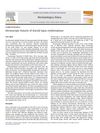
June 2012 in “Dermatologica Sinica” Dermoscopy is useful for diagnosing and monitoring discoid lupus erythematosus by showing specific skin patterns.
20 citations
,
April 1959 in “A M A Archives of Dermatology” Alopecia mucinosa causes red, raised skin patches and hair loss.
June 2024 in “Dermatopathology” A rare type of skin cancer on the scalp can be mistaken for hair loss, causing delayed diagnosis and severe damage.

A woman and her guinea pig were successfully treated for a fungal infection.
 January 2025 in “Indian Journal of Paediatric Dermatology”
 Biopsy is crucial to correctly diagnose granuloma annulare, which can mimic other conditions like alopecia mucinosa.
 October 2023 in “Indian dermatology online journal”
 The young woman has a benign, hereditary skin condition with no signs of a more serious syndrome.
3 citations
,
January 2021 in “Veterinary dermatology” A litter of cats had a hair condition similar to a mouse mutation, leading to hair loss and abnormal hair and skin.
 2 citations
,
August 2010 in “Journal of the American Academy of Dermatology”
2 citations
,
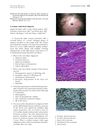
August 2010 in “Journal of the American Academy of Dermatology” A 65-year-old woman has a growing bald spot on her scalp.
 13 citations
,
March 2011 in “British Journal of Dermatology”
13 citations
,
March 2011 in “British Journal of Dermatology” A woman with scalp lymphoma and hair loss improved with radiotherapy, highlighting the need for biopsies in similar cases.
2 citations
,
May 2014 in “PubMed” A 10-year-old boy was diagnosed with a rare scalp condition causing hair loss and treated with a topical cream.
January 2006 in “International water power & dam construction” Nevus comedonicus can appear later in life and affect both eyelids.
3 citations
,
March 1966 in “Archives of Dermatology” Nevoid basal cell carcinomas start in the skin's top layer and hair follicles.
142 citations
,
September 2015 in “PubMed” Keloid scars are aggressive, excessive skin scars with unique features and complex diagnosis.
 December 2020 in “Skin appendage disorders”
 A young man with an unusual type of scarring hair loss suggests a possible new variant of a known scalp condition.
1 citations
,
August 2018 in “Journal of the American Academy of Dermatology” A young woman developed facial bumps before hair loss, which is unusual for her condition.
 2 citations
,
January 2022 in “Boletín médico del Hospital infantil de México/Boletín médico del Hospital Infantil de México”
2 citations
,
January 2022 in “Boletín médico del Hospital infantil de México/Boletín médico del Hospital Infantil de México” Some immunosuppressed patients can get unusual skin infections from Malassezia, which can be treated with antifungal medication.
36 citations
,
February 2004 in “Veterinary Dermatology” Lymphangiosarcoma was confirmed in cats with specific skin symptoms using a lymphatic marker.
 8 citations
,
April 1979 in “Journal of Cutaneous Pathology”
8 citations
,
April 1979 in “Journal of Cutaneous Pathology” Giant cells found in some male pattern baldness cases may help diagnose it and suggest hair is mistakenly seen as foreign by the body.
45 citations
,
February 2013 in “The Journal of Dermatology” Keratoacanthoma and some squamous cell carcinomas are linked to hair follicles, while others are not.
July 2025 in “Journal of Investigative Dermatology” Scarring alopecia involves increased immune cells and specific gene changes near damaged hair follicles.