13 citations
,
February 2016 in “Journal of steroid biochemistry and molecular biology/The Journal of steroid biochemistry and molecular biology” Mice without active or present vitamin D receptors maintain normal blood sugar control and islet gene expression when calcium levels are normal.
8 citations
,
January 2022 in “BMC Biology” Environmental factors affect reproductive traits by altering the SRD5A1 gene.
 4 citations
,
December 2022 in “Frontiers in Endocrinology”
4 citations
,
December 2022 in “Frontiers in Endocrinology” Treating non-classic congenital adrenal hyperplasia is complex because the benefits of hormone treatment must be weighed against potential health risks.
 January 2025 in “Turkish Journal of Cerebrovascular Diseases”
 CARASIL can cause different symptoms even with the same genetic mutation.
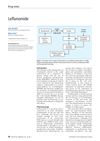 January 2018 in “Practical diabetes”
 Leflunomide is effective for rheumatoid arthritis but has significant side effects.
 6 citations
,
January 2021 in “International Journal of Molecular Sciences”
6 citations
,
January 2021 in “International Journal of Molecular Sciences” Finasteride-treated male rats' offspring had altered glucose metabolism, potentially increasing diabetes risk.
4 citations
,
June 2023 in “Frontiers in immunology” JAK inhibitors help hair regrowth in alopecia areata but have a high risk of side effects.
 August 2025 in “International Journal of Contemporary Pediatrics”
 HLD10 can include increased body hair and Mongolian spots.
 January 2021 in “Research Square (Research Square)”
 Chinese fine-wool sheep have genetic variations linked to traits like milk and health, with some genes under strong selection.

The study found genetic variations in sheep linked to traits like milk production, growth, and health.
 1 citations
,
June 2019 in “Food Research”
1 citations
,
June 2019 in “Food Research” Tempeh oil rich in linoleic acid may protect against skin aging caused by UV light.
4 citations
,
February 2023 in “iScience” Korean long-tailed chickens have unique genes valuable for ornamental breeding.
5 citations
,
October 2021 in “American Journal of Medical Genetics Part A” A new genetic variant causes BRESHECK syndrome by disrupting cell growth and stress response.
1 citations
,
September 2023 in “Frontiers in Genetics” A heterozygous mutation in HTRA1 can cause severe CARASIL symptoms.
50 citations
,
May 2018 in “International journal of cardiology” Testosterone is linked to cardiovascular risk factors and stroke, but its exact role is unclear.
5 citations
,
August 2023 in “G3 Genes Genomes Genetics” The improved genome of the African spiny mouse will help understand its tissue regeneration abilities.
 February 2024 in “Clinical, Cosmetic and Investigational Dermatology”
 Certain fats in the blood are linked to an increased risk of male pattern baldness.
179 citations
,
June 2000 in “The American journal of pathology” The absence of functional sebaceous glands causes hair follicle destruction and scarring alopecia.
November 2025 in “Pharmacological Research - Natural Products” Kesh Kanti Expert Oil promotes hair growth and protects hair health.
60 citations
,
January 2021 in “BMC Genomics” The study mapped genetic variations in sheep, linking them to traits like milk production and growth.
July 2025 in “Malaria Journal” Resolving malaria-related lung issues doesn't rely on Alox12 and leaves some inflammation.
 March 2009 in “Prenatal Diagnosis”
 Pregnancies in a woman with the Donohue mutation were managed with genetic testing, resulting in three healthy infants.
 42 citations
,
April 2009 in “Human Genetics”
42 citations
,
April 2009 in “Human Genetics” A specific genetic mutation may increase male pattern baldness risk, especially in Europeans.
 June 2026 in “Ophthalmology and Therapy”
 Near-infrared and red-light therapy shows promise for eye diseases, but more research is needed to confirm its safety and effectiveness.
 December 2024 in “Clinical Cosmetic and Investigational Dermatology”
 Alopecia areata might help slow down certain cancers.
 January 2024 in “Frontiers in endocrinology”
 The study suggests that hypothyroidism may cause alopecia areata.
 37 citations
,
November 1995 in “Journal of Investigative Dermatology”
37 citations
,
November 1995 in “Journal of Investigative Dermatology” Topical finasteride and flutamide reduce gland size and enzyme activity, with flutamide being more potent, potentially treating acne, seborrhea, hirsutism, and androgenic alopecia.
 14 citations
,
November 2015 in “Annals of the New York Academy of Sciences”
14 citations
,
November 2015 in “Annals of the New York Academy of Sciences” Changing the diet of mice lacking the enzyme CBS can affect symptoms related to the genetic condition.
 1 citations
,
March 2012 in “Journal of Dermatological Science”
1 citations
,
March 2012 in “Journal of Dermatological Science” Testosterone, progesterone, and levonorgestrel change enzyme levels related to fat production in hamster skin, which could affect skin oil and acne.
 43 citations
,
September 2014 in “Molecular Plant”
43 citations
,
September 2014 in “Molecular Plant” CLE40 and CRN/CLV2 pathways have opposite effects on root growth in Arabidopsis.