10 citations
,
August 2021 in “Cosmetics” The best shampoo formula used 1% high-weight hyaluronic acid, 10% acidic sophorolipid, and 1% salt for effective hair conditioning and cleansing without sulfates or silicones.
March 2009 in “CRC Press eBooks” Hair conditioner makes wet hair easier to comb by reducing friction.
 42 citations
,
April 2008 in “Acta materialia”
42 citations
,
April 2008 in “Acta materialia” Different ethnicities and treatments affect human hair strength and structure.
 43 citations
,
September 2001 in “Scanning”
43 citations
,
September 2001 in “Scanning” Hair treatments like bleaching increase friction by exposing tiny pores on the hair surface.
New methods to classify curly hair types were developed based on shape and strength.
66 citations
,
June 2020 in “Advanced Intelligent Systems” Surgical robots have improved but still can't perform tasks or make decisions on their own.

Understanding hair surface properties is key for effective hair care products.
 4 citations
,
March 2021 in “Journal of Surfactants and Detergents”
4 citations
,
March 2021 in “Journal of Surfactants and Detergents” Shampoo B, which uses water-soluble silicone, is better at detangling hair in wet conditions due to its two-layer conditioning film.
 12 citations
,
October 1954 in “Textile Research Journal”
12 citations
,
October 1954 in “Textile Research Journal” Hair absorbs alkali bromide salts and water, affecting its structure, with absorption decreasing at higher temperatures.
 8 citations
,
March 2020 in “Dermatologic Therapy”
8 citations
,
March 2020 in “Dermatologic Therapy” The new hair loss treatment kit was safe and improved hair growth without any adverse effects.
 3 citations
,
June 2007 in “Journal of Cosmetic Dermatology”
3 citations
,
June 2007 in “Journal of Cosmetic Dermatology” Using the right hair care products can improve hair health and help manage hair disorders.
September 2025 in “International Journal of Cosmetic Science” Friction causes hair breakage during combing, and fragment count predicts hair strength.
99 citations
,
July 2005 in “Ultramicroscopy” The research improved understanding of hair and skin properties across different ethnicities and conditions.
8 citations
,
November 2023 in “Frontiers in Bioengineering and Biotechnology” Combining metals and herbs in microneedles can improve wound healing.
81 citations
,
December 2007 in “Acta materialia” AFM helped show how hair changes under tension and the effects of damage and conditioner.
 52 citations
,
August 1978 in “Journal of Applied Polymer Science”
52 citations
,
August 1978 in “Journal of Applied Polymer Science” Human hair's ability to get wet is complex and can change with treatments, damage, and environment.
97 citations
,
January 2005 in “Wear” Human hair and skin friction vary by ethnicity, hair type, and environmental conditions.
25 citations
,
May 2019 in “Cosmetics” 18-MEA and cationic surfactants can restore and maintain hair's hydrophobic nature, improving its beauty and feel.
 September 2024 in “Heliyon”
 Repeated hair dyeing significantly damages hair.
 September 2021 in “Physiology News”
 Air Vice-Marshal Sir Ralph Jackson significantly advanced dialysis technology in the UK.
11 citations
,
April 2022 in “Biophysical Journal” Disulfide bonds in keratin fibers break more easily under stress, especially when wet, affecting fiber strength.
10 citations
,
February 2018 in “Royal Society Open Science” Modified wheat protein in shampoo repairs and smooths damaged hair effectively.
76 citations
,
February 2024 in “International Journal of Molecular Sciences” Hydrogels show promise for improving skin wound healing.
 62 citations
,
February 2011 in “Expert review of dermatology”
62 citations
,
February 2011 in “Expert review of dermatology” Scalp cooling can reduce chemotherapy-induced hair loss and should be available in all hospitals.
 January 2015 in “Springer eBooks”
 Hair damage shows as fragility, dullness, and discoloration, varies by ethnicity, and is worsened by cosmetic procedures and diseases.
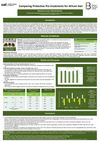 September 2019 in “University of the Arts London Research Online (University of the Arts London)”
 Plant oils and polymers can help protect African hair from damage during styling.
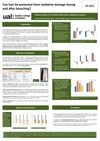 September 2018 in “University of the Arts London Research Online (University of the Arts London)”
 L-arginine, hydrolysed keratin, and cystine-silanol copolymer can help protect hair from damage during and after bleaching.
 January 2012 in “Human health handbooks”
 Traditional Indian remedies are used for hair health, but more scientific evidence is needed to prove their safety and effectiveness.
 1 citations
,
March 2019 in “International Journal of Cosmetic Science”
1 citations
,
March 2019 in “International Journal of Cosmetic Science” The model predicts hair breakage based on key hair properties and helps product developers.
 21 citations
,
July 1988 in “Clinics in dermatology”
21 citations
,
July 1988 in “Clinics in dermatology” Good haircare and communication with doctors are key for managing hair loss.