
New methods efficiently isolate dermal papilla cells from hair follicles, preserving their characteristics better than traditional methods.
 5 citations
,
May 2022 in “Fashion and Textiles”
5 citations
,
May 2022 in “Fashion and Textiles” Hair conditioners with argan oil or camellia oil improve the strength and color of bleached hair.
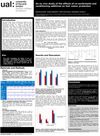 January 2014 in “University of the Arts London Research Online (University of the Arts London)”
 Certain ingredients can help protect hair color.
1 citations
,
April 2013 in “Pakistan Journal of Biological Sciences” Hair coloring, waving, and ironing cause more hair damage than not using these treatments.
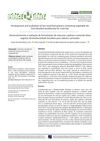 January 2026 in “Biomedical and Biopharmaceutical Research”
 Pequi and buriti oils improve curly hair's gloss and strength.
February 2022 in “Fibers” Scientists created a non-toxic, sugar-based hair product that can style hair without damage.
 May 2023 in “Elsevier eBooks”
 Wigs and hair prosthetics boost confidence and quality of life for people with hair loss.
NaOH treatment improves hair strength and suitability for textiles.
January 2006 in “Zhongguo bijiao yixue zazhi” A new method efficiently isolates and cultures rat hair follicle cells.
September 2015 in “Research Portal (King's College London)” Human hair movement is affected by its inner structure and chemical treatments.
October 2022 in “Hair Transplantation” Combination grafting offers efficient, natural hair restoration in one session.
119 citations
,
November 2016 in “American journal of human genetics” Mutations in three genes cause Uncombable Hair Syndrome, leading to frizzy hair that can't be combed flat.
September 1989 in “PubMed” The method allows detailed observation of hair tissue structures.

Lightly perming scalp hair can lead to new hair growth, potentially treating baldness.
December 2021 in “Journal of natural fibers” The conclusion is that new methods for isolating hair cuticle cells and removing the cuticle layer are effective and convenient.
1 citations
,
February 2015 in “Zenodo (CERN European Organization for Nuclear Research)” Different hair fiber brands have unique electrostatic and dielectric properties.
January 2013 in “CINECA IRIS Institutial research information system (University of Pisa)”  July 2023 in “Biomolecules”
 The new "whisker follicle microinjection assay" can test how different biomolecules affect hair growth and color.
February 2026 in “International Journal of Biological Macromolecules” Keratin from waste hair and feathers can be sustainably used to create stable emulsions for industrial applications.
 January 2006 in “Seibutsu Butsuri”
 Curly and straight hair differ in how their internal fibers are arranged.
29 citations
,
April 2011 in “Journal of Microscopy” The modified osmium method improves hair cortex staining for better visualization.
65 citations
,
May 2006 in “Journal of Structural Biology” Hair curliness is due to uneven distribution of different cortices within the hair fiber.
 December 2024 in “Jurnal Syntax Admiration”
 MOOEW Hair Tonic Gel is a profitable, eco-friendly solution for cat hair loss.
January 2010 in “SÖFW-Journal” A natural moisturizer can make hair stronger.
52 citations
,
February 2005 in “Biopolymers” Chemical hair straightening changes hair proteins and mostly fixes broken bonds.
 3 citations
,
January 2009 in “Sen'i Gakkaishi”
3 citations
,
January 2009 in “Sen'i Gakkaishi” Using both TGA and DTDG in hair straightening reduces hair damage compared to using TGA alone.
Hydrophobic modifications make human hair less affected by water.
Hair movement can indicate hair quality and health.
July 2023 in “Nature Reviews Chemistry” A new method strengthens hair without using harmful chemicals.
2 citations
,
January 2011 Relaxers straighten African hair by breaking down its helical structure using strong bases.