 January 2025 in “Therapeutic Advances in Medical Oncology”
 Many young women with breast cancer experience poor quality of life, especially in sexual health and hair loss, but future outlook improves over time.
November 2024 in “Medicina Estética Revista Científica de la Sociedad Española de Medicina Estética (SEME)” La detección temprana y precisa de la pseudopelada de Brocq es crucial para detener su progresión.
 May 2024 in “Deleted Journal”
 Cancer treatments can cause hair loss, but it is often reversible and can be managed with scalp cooling and support.
 March 2024 in “International journal of pharmaceutical sciences and drug research”
 Androgenetic alopecia is influenced by various factors and can be treated with medications, procedures, and non-drug methods.
January 2004 in “Nederlands Tijdschrift voor Dermatologie & Venereologie” Female pattern hair loss causes thinning hair on top of the scalp, treatable with limited success.
 164 citations
,
April 2008 in “Cochrane library”
164 citations
,
April 2008 in “Cochrane library” Current treatments for alopecia show no significant long-term benefits.
 July 2018 in “British Journal of Dermatology”
 Hair regrowth was seen in 83% of children with alopecia, immune system plays a role in the condition, and various treatments showed effectiveness for hair and nail disorders.
1 citations
,
April 2022 in “F1000Research” Most pediatric cancer patients at Muhimbili National Hospital in Tanzania experienced side effects from chemotherapy, with nausea, hair loss, and low white blood cell count being the most common.
 101 citations
,
June 2005 in “Journal of The American Academy of Dermatology”
101 citations
,
June 2005 in “Journal of The American Academy of Dermatology” Very few people experience increased hair growth after laser hair removal, especially those with darker skin and black hair.
35 citations
,
January 2022 in “Clinical Infectious Diseases” Healthcare workers with COVID-19 reported more long-term symptoms, and physical activity may help reduce some of these symptoms.
 8 citations
,
October 2021 in “bioRxiv (Cold Spring Harbor Laboratory)”
8 citations
,
October 2021 in “bioRxiv (Cold Spring Harbor Laboratory)” Healthcare workers with a positive COVID-19 test were more likely to report long-COVID symptoms.
 5 citations
,
April 2018 in “Journal of Cosmetic Dermatology”
5 citations
,
April 2018 in “Journal of Cosmetic Dermatology” New 5% minoxidil formula safely and effectively treats male hair loss.
Depo-Provera effectively prevents pregnancy but has many side effects and safety concerns, leading to its ban in the U.S.
701 citations
,
August 2014 in “Nature medicine” Alopecia areata can be reversed by JAK inhibitors, promoting hair regrowth.
 196 citations
,
September 2016 in “JCI insight”
196 citations
,
September 2016 in “JCI insight” Ruxolitinib effectively regrows hair in most patients with severe hair loss.
 157 citations
,
December 2015 in “Journal of the American Academy of Dermatology”
157 citations
,
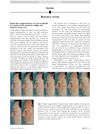
December 2015 in “Journal of the American Academy of Dermatology” A man with vitiligo and alopecia saw quick skin and hair improvement with ruxolitinib, but skin color gains were lost after stopping treatment.
 130 citations
,
February 2018 in “Journal of Investigative Dermatology”
130 citations
,
February 2018 in “Journal of Investigative Dermatology” Tofacitinib may help treat severe hair loss, but more research is needed.
 70 citations
,
April 2016 in “Experimental Dermatology”
70 citations
,
April 2016 in “Experimental Dermatology” A patient with alopecia areata regrew hair after taking tofacitinib and showed changes in certain blood and skin markers.
46 citations
,
October 2018 in “JCI insight” CD8+ T cells are involved in alopecia areata and may cause disease relapse.
43 citations
,
May 2011 in “Dermatologic therapy” New genetic discoveries in alopecia areata could lead to better treatments.
4 citations
,
September 2025 in “Journal of the American Academy of Dermatology”  3 citations
,
April 2016 in “Journal of Investigative Dermatology”
3 citations
,
April 2016 in “Journal of Investigative Dermatology” Tofacitinib, a JAK inhibitor, improved hair regrowth in most patients with severe alopecia areata and had minimal side effects.
 2 citations
,
April 2017 in “Journal of Investigative Dermatology”
2 citations
,
April 2017 in “Journal of Investigative Dermatology” Tofacitinib helped over half of the patients with severe hair loss regrow at least 50% of their hair.
 1 citations
,
August 2021 in “Journal of The American Academy of Dermatology”
1 citations
,
August 2021 in “Journal of The American Academy of Dermatology” Baricitinib helped improve hair, eyebrow, and eyelash growth in alopecia areata patients.
1 citations
,
November 2018 in “immuneACCESS” Expanded CD8+ T cells are linked to Alopecia Areata and may cause relapse after treatment.
 1 citations
,
April 2018 in “Journal of Investigative Dermatology”
1 citations
,
April 2018 in “Journal of Investigative Dermatology” Tofacitinib helped most patients with alopecia areata regrow hair and changes in immune cells were linked to the treatment's effectiveness.
1 citations
,
April 2017 in “Journal of Investigative Dermatology” Abatacept may help some people with alopecia areata regrow hair.
April 2016 in “The journal of investigative dermatology/Journal of investigative dermatology” The ALADIN score can predict how well patients with alopecia areata will respond to JAK inhibitor treatments.
November 2015 in “The journal of investigative dermatology. Symposium proceedings/The Journal of investigative dermatology symposium proceedings” Alopecia areata is now understood to be driven by genetic and immune factors.
 1461 citations
,
March 2004 in “Annals of oncology”
1461 citations
,
March 2004 in “Annals of oncology” Pegylated liposomal doxorubicin is as effective as conventional doxorubicin but causes fewer heart problems and side effects.