 25 citations
,
September 2018 in “Molecular Biology of the Cell”
25 citations
,
September 2018 in “Molecular Biology of the Cell” Blocking Wnt/β-catenin signaling with EGF receptor is necessary for proper hair growth.
 17 citations
,
December 2019 in “Stem Cell Research & Therapy”
17 citations
,
December 2019 in “Stem Cell Research & Therapy” Grouping certain skin cells together activates a growth pathway that helps create new hair follicles.
293 citations
,
September 2004 in “Development” WNT signaling is crucial for starting mammary gland development.
 101 citations
,
November 2011 in “Nature Communications”
101 citations
,
November 2011 in “Nature Communications” Wnt/β-catenin signaling is crucial for cell fusion in placental development.
 January 2023 in “Skin Pharmacology and Physiology”
 Minor injuries to hair follicles can stimulate hair growth in mice by increasing a specific protein.
January 2023 in “Figshare” Minor skin injuries can boost hair growth by increasing TNF-α.
 7 citations
,
January 2019 in “PeerJ”
7 citations
,
January 2019 in “PeerJ” A protein called sFRP4 can slow down hair regrowth.
 1 citations
,
October 2022 in “JCI insight”
1 citations
,
October 2022 in “JCI insight” Deleting the BRD4 protein in certain skin cells causes hair loss and skin inflammation.

Pygo2 is important for early growth and progression of intestinal tumors, and could be a target for treating cancers with certain mutations.
 55 citations
,
September 2014 in “Development”
55 citations
,
September 2014 in “Development” Wnt, Eda, and Shh pathways are crucial for different stages of sweat gland development in mice.
 46 citations
,
June 2015 in “Journal of Investigative Dermatology”
46 citations
,
June 2015 in “Journal of Investigative Dermatology” Androgen receptor activity blocks Wnt/β-catenin signaling, affecting hair growth and skin cell balance.
 18 citations
,
April 2019 in “Archives of Dermatological Research”
18 citations
,
April 2019 in “Archives of Dermatological Research” Lactoferrin helps mice grow hair by increasing cell growth and hair follicle development.
 May 2018 in “Journal of Investigative Dermatology”
 Activating Wnt in skin cells controls the number of hair follicles by directing cell movement and fate.
 39 citations
,
January 2013 in “Journal of Investigative Dermatology”
39 citations
,
January 2013 in “Journal of Investigative Dermatology” Changing Wnt signaling can lead to more or less hair growth and might help treat hair loss and skin conditions.
 25 citations
,
November 2017 in “Molecular Medicine Reports”
25 citations
,
November 2017 in “Molecular Medicine Reports” PlncRNA-1 helps hair follicle stem cells grow and develop by controlling a specific cell signaling pathway.
 19 citations
,
January 2014 in “International Journal of Medical Sciences”
19 citations
,
January 2014 in “International Journal of Medical Sciences” Abnormal activation of hair follicle stem cells and Wnt/β-catenin signaling contributes to sebaceous neoplasms.
 18 citations
,
July 2016 in “Medicine”
18 citations
,
July 2016 in “Medicine” Wnt/β-catenin and TGF-β pathways affect hair loss, and activating Wnt/β-catenin could be a potential treatment.
 89 citations
,
November 2017 in “Journal of Cellular Physiology”
89 citations
,
November 2017 in “Journal of Cellular Physiology” The Wnt/β-catenin pathway is important for tissue development and has potential in regenerative medicine, but requires more research for therapeutic use.
 27 citations
,
May 2017 in “Marine Drugs”
27 citations
,
May 2017 in “Marine Drugs” Undariopsis peterseniana extract helps hair grow by activating certain cell growth pathways and could be a new treatment for hair loss.
 10 citations
,
November 2018 in “Nature Biotechnology”
10 citations
,
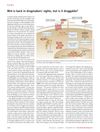
November 2018 in “Nature Biotechnology” Drugmakers are optimistic about targeting the Wnt pathway for new treatments despite past challenges.
 91 citations
,
December 2010 in “Stem Cells”
91 citations
,
December 2010 in “Stem Cells” Wnt signaling helps control how brain stem cells divide and is important for brain repair after injury.
 232 citations
,
June 2012 in “Cold Spring Harbor Perspectives in Biology”
232 citations
,
June 2012 in “Cold Spring Harbor Perspectives in Biology” Wnt signaling helps heal injuries and could lead to new treatments.
 15 citations
,
August 2020 in “American Journal of Pathology”
15 citations
,
August 2020 in “American Journal of Pathology” Insulin helps heal corneal wounds and nerves in diabetic mice by activating the Wnt signaling pathway.
 829 citations
,
May 2007 in “Nature”
829 citations
,
May 2007 in “Nature” Hair follicles can regrow in wounded adult mouse skin using a process like embryo development.
 556 citations
,
September 2008 in “Genes & Development”
556 citations
,
September 2008 in “Genes & Development” Wnt signaling is vital for cell growth, development, and cancer research.
 271 citations
,
March 1999 in “Developmental biology”
271 citations
,
March 1999 in “Developmental biology” The research shows that a gene called Wnt3 affects hair growth and structure, causing short hair and balding when overactive.
 260 citations
,
June 2011 in “Cell”
260 citations
,
June 2011 in “Cell” Wnt signaling is crucial for pigmented hair regeneration by controlling stem cell activation and differentiation.
 260 citations
,
December 2012 in “Cold Spring Harbor Perspectives in Biology”
260 citations
,
December 2012 in “Cold Spring Harbor Perspectives in Biology” Wnt signaling is crucial for skin development and health, and its disruption can cause skin diseases.
 199 citations
,
April 2010 in “Nature”
199 citations
,
April 2010 in “Nature” A gene called APCDD1, which controls hair growth, is found to be faulty in a type of hair loss called hereditary hypotrichosis simplex.
 173 citations
,
January 2014 in “Nature Cell Biology”
173 citations
,
January 2014 in “Nature Cell Biology” Wnt signaling controls whether hair follicle stem cells stay inactive or regenerate hair.