 January 2025 in “Frontiers in Cell and Developmental Biology”
 Hox proteins help maintain keratinocyte identity by regulating miRNA expression.
 December 2024 in “Frontiers in Pharmacology”
 Araliadiol may promote hair growth like minoxidil without being toxic.
 August 2024 in “Cell Death and Disease”
 Activating TLR9 helps heal wounds and regrow hair by using specific immune cells.
 February 2024 in “Heliyon”
 People with androgenetic alopecia have different lipid levels in their blood, which vary between men and women, and may be linked to a higher risk of metabolic syndrome.
Hair proteins in preschool children and their mothers could indicate developmental changes and health status.
 September 2023 in “Medicine”
 The research suggests immune system changes and specific gene expression may contribute to male hair loss, proposing potential new treatments.
 June 2023 in “Antioxidants”
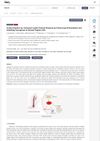
 Lipids from Schizochytrium sp. help prevent hair loss by protecting hair cells from damage and promoting hair growth.
 May 2023 in “Clinical, Cosmetic and Investigational Dermatology”
 The research found proteins in human skin cells that help with wound healing and hair growth, which could lead to new treatments.
Different genes and pathways are active in yak skin and hair cells, affecting hair growth and immune responses.
GPC1 is important for blood vessel growth in hair follicles and could help treat hair loss.
GPC1 is important for hair growth by helping blood vessels form around hair follicles.
GPC1 is important for blood vessel growth in hair follicles and could help treat hair loss.
Glypican-1 is important for hair follicle blood vessel growth and could be a target for treating hair loss.
July 2026 in “JAAD reviews.” Female Pattern Hair Loss affects women's quality of life, with limited treatment options and a need for more research.
 May 2025 in “Frontiers in Pharmacology”
 New treatments are needed for non-scarring alopecia due to current limitations.
 February 2024 in “International Journal of Molecular Sciences”
 Hair loss in Androgenetic Alopecia is caused by genetics, aging, and lifestyle, leading to hair follicle shrinkage and related health risks.
 May 2023 in “Journal of Clinical Medicine”
 New understanding and treatments for hair loss are improving, but more research is needed.
37 citations
,
November 2019 in “Journal of Microbiology and Biotechnology” Loliolide can boost hair growth by activating specific cell pathways.
6 citations
,
December 2022 in “International Journal of Molecular Sciences” EZH2 is crucial for uterine gland development and female fertility.
 2 citations
,
January 2023 in “Pharmaceuticals”
2 citations
,
January 2023 in “Pharmaceuticals” Natural products and phytochemicals may help with hair regrowth, but more research is needed.
2 citations
,
October 2021 in “Experimental Cell Research” Injectable platelet-rich fibrin helps hair growth by boosting key cell functions.
 October 2023 in “Scientific Reports”
 Oxytocin may help hair grow by increasing hair growth-related genes and factors.

Certain natural products may help stimulate hair growth by affecting stem cell activity in the scalp.
 January 2024 in “International Journal of Trichology”
 Human platelet-rich plasma is better than fetal bovine serum for growing cells that help hair regrow.
169 citations
,
February 2018 in “Immunity” Inactive stem cells in hair follicles and muscles can avoid detection by the immune system.
148 citations
,
August 2022 in “Stem Cell Research & Therapy” Encapsulated stem cell exosomes in hydrogel improve wound healing.
9 citations
,
July 2022 in “Journal of Biological Chemistry” WWP2 is crucial for tooth development in mice.
 5 citations
,
January 2023 in “Cell proliferation”
5 citations
,
January 2023 in “Cell proliferation” Chick embryo extract helps rat hair follicle stem cells potentially turn into Schwann cells, important for the nervous system.
 4 citations
,
January 2019 in “Annals of Dermatology”
4 citations
,
January 2019 in “Annals of Dermatology” RE-ORGA, a Korean herb extract, may help prevent hair loss.
3 citations
,
October 2024 in “International Journal of Molecular Sciences” Xenopus laevis tadpoles can regenerate complex tail structures, offering insights for regenerative medicine.