Stretching-setting treatment works for wool and human hair using specific equipment and methods.
22 citations
,
September 1982 in “Journal of ultrastructure research” Wool follicle cells are more complex than previously thought.
1 citations
,
January 1995 in “Lincoln University Research Archive (Lincoln University)” Wool growth is mainly controlled by external factors and specific proteins, not the follicles themselves.
7 citations
,
February 1985 in “Textile Research Journal” Cellular debris sticks to damaged wool fibers and affects wool cleanliness.
22 citations
,
November 2014 in “Proteins Structure Function and Bioinformatics” Cysteines in wool fibers are accessible and form important disulfide bonds.

Curly wool has more orthocortex than straight wool.
 9 citations
,
November 2015 in “Key Engineering Materials”
9 citations
,
November 2015 in “Key Engineering Materials” Improving skills and technology in Baluchistan's wool industry could boost quality, jobs, and Pakistan's economy.
July 2026 in “Scientific Reports” Felting wool changes its fatty acid makeup, affecting its structure and water resistance.
 7 citations
,
August 2009 in “Applied Mathematics and Mechanics-English Edition”
7 citations
,
August 2009 in “Applied Mathematics and Mechanics-English Edition” Hair fibers have fractal patterns with properties related to the golden mean, which may affect their functionality.
72 citations
,
September 1975 in “Biology of Reproduction” Most zinc in rat sperm is in the tail, linked to structures similar to hair keratin.
12 citations
,
October 1947 in “Journal of the Society of Dyers and Colourists” Mercuric acetate makes wool unshrinkable by changing its elastic properties.
 9 citations
,
August 2007 in “Journal of animal science/Journal of animal science ... and ASAS reference compendium”
9 citations
,
August 2007 in “Journal of animal science/Journal of animal science ... and ASAS reference compendium” Sheep wool follicles absorb different amino acids at various rates and locations, which could affect wool growth based on diet and genetics.
 July 2022 in “New Zealand journal of agricultural research”
 The KRTAP27-1 gene variations in sheep may affect wool length and weight.
15 citations
,
January 1999 in “Reproduction Fertility and Development” Merino sheep have fewer wool follicles at birth than before birth.
 6 citations
,
December 1966 in “Textile Research Journal”
6 citations
,
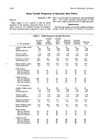
December 1966 in “Textile Research Journal” Animal hair fibers like wool and mohair are strong when dry, but vicuna fibers are very brittle.

Researchers developed a method to identify and measure different animal hair fibers in textiles, successfully distinguishing materials like cashmere from cheaper fibers.
27 citations
,
March 2018 in “Journal of Experimental Biology” Wool fibre curvature is due to longer orthocortical cells compared to paracortical cells.
January 2013 in “Wageningen Academic Publishers eBooks” Proteomics helps understand protein changes in wool fiber development.
January 2026 in “Frontiers in Animal Science” Gentile di Puglia sheep have finer wool and more lanolin than Sarda sheep.
9 citations
,
December 2018 in “Journal of Natural Fibers” Magra sheep's wool luster is linked to specific keratin gene expression and protein variations.
October 2025 in “Coloration Technology” Delipidised wool is brighter, dyes better, and is more eco-friendly.
July 2025 in “Frontiers in Animal Science” Animal fibers are valued for being natural and eco-friendly, but face challenges like price volatility and a focus on meat over fiber.
20 citations
,
February 1994 in “In vitro cellular & developmental biology. Animal” Wool follicles can grow in a lab with the right nutrients and conditions.
34 citations
,
September 2007 in “Experimental Dermatology” The outer layer of Merino wool is rich in sulfur proteins, making it resistant to damage.
 1 citations
,
January 2014 in “Sen'i Gakkaishi”
1 citations
,
January 2014 in “Sen'i Gakkaishi” The new method reliably identifies and measures different animal hair fibers in textiles.
26 citations
,
June 2010 in “Electrophoresis” New techniques helped identify rare wool proteins by reducing dominant ones.
11 citations
,
October 1997 in “British Journal of Dermatology” Wool follicles grew fibres for 8-10 days in a serum-free culture, influenced by calcium, glucose, amino acids, and insulin.
9 citations
,
October 1989 in “Australian Journal of Agricultural Research” Mouse epidermal growth factor temporarily stops wool growth and causes cell changes in Merino sheep.
September 2019 in “Mağallaẗ al-ʿulūm al-ṭabīʿiyyaẗ wa-al-ḥayātiyyaẗ wa-al-taṭbīqiyyaẗ” Camel hair from Afif can be improved for textiles by adding chemicals or blending with other fibers.