 5 citations
,
May 1983 in “Australian journal of biological sciences”
5 citations
,
May 1983 in “Australian journal of biological sciences” Certain amino acid analogues can inhibit wool and hair growth and affect fiber strength.
KRTAP6 genes affect wool quality in sheep.
17 citations
,
October 1997 in “Australian Journal of Agricultural Research” Stocking rate affects wool follicle inactivity, not Merino strain.
 August 2020 in “Textile research journal”
 The model helps understand how wool fiber structure affects its strength and flexibility.
 4 citations
,
January 2015 in “Sen'i Gakkaishi”
4 citations
,
January 2015 in “Sen'i Gakkaishi” Hair and wool strength is affected by the number and type of bonds in their protein structures, with hair having more protein aggregates than wool.
 13 citations
,
January 1995 in “Journal of the American Institute for Conservation”
13 citations
,
January 1995 in “Journal of the American Institute for Conservation” Researchers developed a less damaging way to extract red dyes from wool using EDTA and DMF, preserving the fiber's strength for further analysis.
 21 citations
,
January 1995 in “Journal of the American Institute for Conservation”
21 citations
,
January 1995 in “Journal of the American Institute for Conservation” A new method extracts red dyes from wool without damaging it, although it slightly weakens the wool.
11 citations
,
April 2022 in “Biophysical Journal” Disulfide bonds in keratin fibers break more easily under stress, especially when wet, affecting fiber strength.
September 2019 in “Mağallaẗ al-ʿulūm al-ṭabīʿiyyaẗ wa-al-ḥayātiyyaẗ wa-al-taṭbīqiyyaẗ” Camel hair from Afif can be improved for textiles by adding chemicals or blending with other fibers.
24 citations
,
October 2019 in “Genes” A new sheep gene, KRTAP36-1, may help breed sheep with better wool by reducing prickle factor.
16 citations
,
October 2021 in “Trends in biotechnology” Future hair products will use ecofriendly proteins and peptides to improve hair health and appearance.
 35 citations
,
April 2014 in “Journal of proteomics”
35 citations
,
April 2014 in “Journal of proteomics” Feed restriction in sheep leads to finer wool fibers but may reduce wool quality.
 7 citations
,
October 1963 in “Textile Research Journal”
7 citations
,
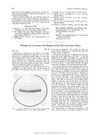
October 1963 in “Textile Research Journal” Merino wool fibers change shape with moisture, while human hair shape stays the same.
 9 citations
,
November 2015 in “Key Engineering Materials”
9 citations
,
November 2015 in “Key Engineering Materials” Improving skills and technology in Baluchistan's wool industry could boost quality, jobs, and Pakistan's economy.
 June 2026 in “Frontiers in Cell and Developmental Biology”
 Dermal papilla cells are key to fine wool growth in sheep.
Acidic sandy clay damages archaeological hair the most, while dry conditions preserve but make it brittle; silicone oil can help keep the hair flexible.
 42 citations
,
January 2017 in “Genes”
42 citations
,
January 2017 in “Genes” The gene KAP22-1 affects wool yield and fiber shape in sheep.
 17 citations
,
November 2017 in “Asian-Australasian journal of animal sciences”
17 citations
,
November 2017 in “Asian-Australasian journal of animal sciences” Certain gene mutations are linked to wool quality in sheep and could help in breeding for better wool.
 8 citations
,
November 2022 in “International Journal of Cosmetic Science”
8 citations
,
November 2022 in “International Journal of Cosmetic Science” Human hair varies widely and should be classified by curl type rather than race.
 11 citations
,
February 2019 in “Frontiers in Physiology”
11 citations
,
February 2019 in “Frontiers in Physiology” Hair properties are interconnected; a comprehensive, cross-disciplinary approach is essential for understanding hair behavior.
8 citations
,
July 2019 in “The journal of investigative dermatology/Journal of investigative dermatology” Curly hair is mechanically different from straight hair and may need new testing methods.
 October 2012 in “Advanced Materials Research”
 Higher temperatures improve rabbit hair strength up to 50°C, but moisture weakens it.
 1 citations
,
March 2005 in “International Journal of Cosmetic Science”
1 citations
,
March 2005 in “International Journal of Cosmetic Science” Twisting hair weakens it, but strength can be recovered at low twist levels.
4 citations
,
January 2020 in “Genes” The KRTAP21-2 gene affects wool length and quality in sheep.
10 citations
,
November 2024 in “Animals” More research is needed to improve wool and cashmere quality through genetics.
25 citations
,
April 2019 in “Animals” KRTAP28-1 gene can help breed sheep with finer wool.
 6 citations
,
October 2018 in “Endocrinology”
6 citations
,
October 2018 in “Endocrinology” Prenatally androgenized ewes can model increased hair diameter in women with PCOS.
4 citations
,
September 2003 in “Livestock Production Science” Epidermal growth factor reduces hair growth, but cortisol does not.
 21 citations
,
March 2017 in “Skin research and technology”
21 citations
,
March 2017 in “Skin research and technology” Removing external lipids from hair reduces moisture and increases strength, while removing internal lipids decreases water permeability.
 September 2024 in “Heliyon”
 Repeated hair dyeing significantly damages hair.