12 citations
,
March 2012 in “JEADV. Journal of the European Academy of Dermatology and Venereology/Journal of the European Academy of Dermatology and Venereology” A specific gene mutation in Japanese people can cause varying degrees of hair thinning in adulthood.
13 citations
,
June 2006 in “Fertility and Sterility” Nonclassic 21-hydroxylase deficiency is a common, treatable genetic disorder causing reversible symptoms like acne and hair loss.
January 2024 in “International journal of molecular sciences” Hoxc13 gene affects wool length in Gansu alpine fine-wool sheep.
 April 2026 in “Tissue Engineering and Regenerative Medicine”
 The GPRC6A-Duox1 axis helps control hair growth and loss by affecting hydrogen peroxide production.
 1 citations
,
April 2016 in “British Journal of Dermatology”
1 citations
,
April 2016 in “British Journal of Dermatology” Buschke-Ollendorff syndrome is a rare genetic disorder causing skin and bone changes, with some cases also showing ADHD or developmental delays.
612 citations
,
February 2004 in “Nature” OXI1 kinase is essential for plant defense and root hair growth in Arabidopsis.
20 citations
,
June 2010 in “Dermatology Online Journal” Zinc supplements and weaning cured a breast-fed baby's zinc deficiency caused by a gene mutation.
 September 2021 in “Mağallaẗ al-Muẖtar li-l-ʿulūm”
 Two sisters have rare hair disorders causing short, fragile, kinky hair.
 5 citations
,
July 2020 in “JAMA Dermatology”
5 citations
,
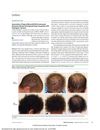
July 2020 in “JAMA Dermatology” Minoxidil solution applied twice daily improved hair growth in patients with Woolly Hair/Hypotrichosis due to LIPH gene issues, with mild side effects.
68 citations
,
December 2010 in “The journal of investigative dermatology/Journal of investigative dermatology” HOXC13 is essential for hair and nail development by regulating Foxn1.
 61 citations
,
October 2013 in “PLoS ONE”
61 citations
,
October 2013 in “PLoS ONE” Boosting Wnt signaling improves skin wound healing.
4 citations
,
July 2022 in “The Journal of Clinical Endocrinology & Metabolism” A specific genetic mutation causes POMC deficiency, leading to symptoms like weight gain and red hair.
Introducing the OTC gene improved symptoms in mice with OTC deficiency.
 May 2024 in “Frontiers in medicine”
 A genetic mutation in the LIPH gene causes tightly curled hair that stops growing in some Japanese individuals.
6 citations
,
June 2022 in “Journal of Orthopaedic Surgery and Research” Wedelolactone may help reduce bone loss with fewer side effects.
 April 2024 in “BMB Reports”
 Lack of Cisd2 disrupts calcium balance in cells, leading to poorly functioning neutrophils.
 1 citations
,
July 2023 in “Nature communications”
1 citations
,
July 2023 in “Nature communications” MOF controls key genes for skin development by regulating mitochondrial and ciliary functions.
 December 2025 in “Cell Communication and Signaling”
 Minoxidil may help treat myelodysplastic syndrome without harming normal blood cell production.
40 citations
,
July 2019 in “Journal of Investigative Dermatology” Lack of a key enzyme causes severe skin issues and death in mice.
 32 citations
,
May 2012 in “PloS one”
32 citations
,
May 2012 in “PloS one” Thymic transplantation normalized some T-cells but not others, maintaining immune function.
1 citations
,
September 2020 in “Journal of dermatology” Researchers found a new mutation in the LIPH gene of a woman with a rare hair condition.
58 citations
,
November 2004 in “The journal of investigative dermatology/Journal of investigative dermatology” The Foxn1 gene is essential for normal nail and hair development.
Suppressing ODC activity reduces tumor growth in hair follicles.
January 2024 in “Kafkas Universitesi Veteriner Fakultesi Dergisi” A specific genetic variation affects wool quality in sheep.
3 citations
,
January 2011 in “American Journal of Hematology” Immunochemotherapy successfully treated neutropenia in a patient with Waldenström's macroglobulinemia.
210 citations
,
February 2008 in “Nature genetics” Mutations in the P2RY5 gene cause autosomal recessive woolly hair.
 April 2008 in “Expert review of dermatology”
 Mutations in the P2RY5 gene cause hereditary woolly hair.
7 citations
,
March 2023 in “The Journal of Biochemistry” LONRF1 is important for oxidative damage response and tissue remodeling during wound healing.
 8 citations
,
September 2017 in “Journal of Investigative Dermatology”
8 citations
,
September 2017 in “Journal of Investigative Dermatology” CXXC5 is a protein that prevents hair growth and could be a target for hair loss treatment.
7 citations
,
March 2022 in “The FASEB journal” Adult mice with CBS deficiency show minimal health issues and normal lifespan despite high homocysteine levels.