207 citations
,
September 1973 in “Entomologia Experimentalis et Applicata” B-type hairs on female butterfly legs help them choose where to lay eggs.
 29 citations
,
January 2004 in “Experimental Dermatology”
29 citations
,
January 2004 in “Experimental Dermatology” Topical anthralin helped regrow hair in mice with a condition similar to human alopecia.
25 citations
,
December 1991 in “The Journal of Dermatology” Cyclosporin A promotes hair growth in young nude mice.
 5 citations
,
December 1964 in “Australasian journal of dermatology”
5 citations
,
December 1964 in “Australasian journal of dermatology” Congenital atrichia is a rare condition where children are born without hair, and treatment is often ineffective.
 2 citations
,
September 1987 in “International Journal of Dermatology”
2 citations
,
September 1987 in “International Journal of Dermatology” Minoxidil caused hair to grow in unintended areas, like a tail, in a young girl.
 February 2022 in “Journal of Biomedical Nanotechnology”
 Shikonin, a small molecule, speeds up burn wound healing and hair growth by activating the PI3K/Akt pathway.
 155 citations
,
September 2008 in “British journal of dermatology/British journal of dermatology, Supplement”
155 citations
,
September 2008 in “British journal of dermatology/British journal of dermatology, Supplement” FFA is more common in postmenopausal women, can affect younger women, and may stabilize over time.
60 citations
,
February 1992 in “British Journal of Dermatology” Serum from alopecia patients does not stop hair growth in grafted skin on mice.
 56 citations
,
August 2005 in “Journal of Investigative Dermatology Symposium Proceedings”
56 citations
,
August 2005 in “Journal of Investigative Dermatology Symposium Proceedings” Different women's hair and skin glands respond to hormones in varied ways, which can cause unwanted hair growth even with normal hormone levels, and more research is needed to treat this effectively.
15 citations
,
January 2006 in “British Journal of Dermatology” A woman with skin eruptions and hair loss improved significantly with ointment treatment.
7 citations
,
August 1985 in “British journal of dermatology/British journal of dermatology, Supplement” Medroxyprogesterone acetate injections are more effective than topical ointment in treating excessive hair growth in women.
 1 citations
,
January 2008 in “Elsevier eBooks”
1 citations
,
January 2008 in “Elsevier eBooks” The document concludes that various disorders can cause hair loss in dogs, each requiring different treatments, and some may heal on their own.
March 2004 in “Journal of Investigative Dermatology” Razor bumps are linked to a genetic variant, misoprostol helps erythromelalgia pain, steroid ointments don't affect skin rhythms, and certain antibodies are common in localized scleroderma.
 40 citations
,
January 2016 in “Elsevier eBooks”
40 citations
,
January 2016 in “Elsevier eBooks” The skin is the largest organ, protecting the body, regulating temperature, and producing hormones.
 33 citations
,
April 2012 in “British Journal of Dermatology”
33 citations
,
April 2012 in “British Journal of Dermatology” Damaged hair follicle stem cells can cause permanent hair loss, but understanding their role could lead to new treatments.
 25 citations
,
March 2009 in “Dermatologic Surgery”
25 citations
,
March 2009 in “Dermatologic Surgery” Eyebrow transplantation can be successful for Asians with the right technique and care, but regular maintenance is necessary.
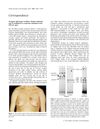 12 citations
,
May 2001 in “British journal of dermatology/British journal of dermatology, Supplement”
12 citations
,
May 2001 in “British journal of dermatology/British journal of dermatology, Supplement” A rare benign skin tumor showed unusual features of sebaceous and sweat glands, important for correct diagnosis.
 12 citations
,
February 1997 in “British Journal of Dermatology”
12 citations
,
February 1997 in “British Journal of Dermatology” The enzyme type 1 5α-reductase is more active in the hair follicle's lower part than in the skin's outer layer.
140 citations
,
August 2010 in “Pigment Cell & Melanoma Research” We know a lot about mouse hair color, but not much about human hair color differences.
30 citations
,
May 2008 in “International Journal of Dermatology” Lipedematous alopecia causes permanent hair loss due to increased scalp fat.
 11 citations
,
August 2009 in “Dermatologic Surgery”
11 citations
,
August 2009 in “Dermatologic Surgery” A man developed a rare scalp disorder, Folliculitis Decalvans, 20 years after hair restoration surgery, and it required long-term antibiotic treatment.
1 citations
,
September 2008 in “International Journal of Cosmetic Science” Using chelants in hair dye reduces fiber damage by preventing harmful radicals.
 27 citations
,
July 1982 in “British Journal of Dermatology”
27 citations
,
July 1982 in “British Journal of Dermatology” The antiandrogen 11α-hydroxyprogesterone effectively reduces skin oil and cholesterol when applied to the skin.
241 citations
,
August 2005 in “Journal of Investigative Dermatology Symposium Proceedings” Dandruff and seborrheic dermatitis are caused by yeast feeding on scalp oils, leading to irritation and flaking.
 31 citations
,
October 2005 in “British Journal of Dermatology”
31 citations
,
October 2005 in “British Journal of Dermatology” Hair loss in women not always linked to increased oil production; other factors may be involved.
 11 citations
,
November 1982 in “British journal of dermatology/British journal of dermatology, Supplement”
11 citations
,
November 1982 in “British journal of dermatology/British journal of dermatology, Supplement” Testosterone and some of its forms can strongly stimulate oil gland growth in skin.
 149 citations
,
June 2002 in “British Journal of Dermatology”
149 citations
,
June 2002 in “British Journal of Dermatology” Minoxidil works better for female hair loss, but cyproterone reduces scalp oiliness and causes menstrual issues.
 19 citations
,
October 1985 in “British Journal of Dermatology”
19 citations
,
October 1985 in “British Journal of Dermatology” The document concludes that unruly hair can be congenital or acquired, often lacks specific treatments, and can be managed with oils and short hairstyles.
 May 2024 in “International Journal of Science and Research (IJSR)”
 Tankan Bhasma mixed with coconut oil effectively reduced dandruff and improved scalp health.
 January 2026 in “Frontiers in Nutrition”
 Certain dietary supplements can improve hair density and are well-tolerated for treating androgenetic alopecia.