 25 citations
,
June 2022 in “Developmental cell”
25 citations
,
June 2022 in “Developmental cell” Overactivating Hedgehog signaling makes hair follicle cells in mice grow hair faster and create more follicles.
9 citations
,
June 2024 in “BMC Genomics” Wool color in Gangba sheep is influenced by multiple genes and genetic mechanisms.
December 2020 in “Research Square (Research Square)” A genetic change in the FGF5 gene affects hair growth in cashmere goats.
The microenvironment affects the behavior and survival of melanocytes with the GNAQ oncogene in melanoma.
Vismodegib effectively treats advanced basal cell carcinoma but requires careful management of serious side effects.
October 2025 in “Animals” miR-200a reduces goose fibroblast growth by targeting PITX2 in the Wnt pathway.
 26 citations
,
August 2019 in “Stem Cell Research & Therapy”
26 citations
,
August 2019 in “Stem Cell Research & Therapy” PBX1 helps hair stem cells grow and change by turning on certain cell signals and preventing cell death, which may be useful for hair regrowth treatments.
 May 2023 in “Tạp chí Y Dược học Cần Thơ”
 The shampoo with grapefruit peel and Gleditsia sinensis helps mice grow hair faster, more, and longer.
January 2013 in “대한미용학회지” Chamaecyparis obtusa oil promotes hair growth in mice.
AI can improve alopecia areata diagnosis with high accuracy.
7 citations
,
July 2016 in “Journal of Biomedical Materials Research Part A” cGEL hydrogel improves melanin production in skin cells, making it a promising option for skin treatments.
 10 citations
,
September 2013 in “Veterinary dermatology”
10 citations
,
September 2013 in “Veterinary dermatology” Medroxyprogesterone injections caused hair regrowth in some dogs with alopecia X.
 February 2025 in “Clinical & Experimental Dermatology and Therapies”
 Combining supplements with minoxidil improves hair growth more than minoxidil alone.
March 2011 in “Pigment Cell & Melanoma Research” The Agouti gene influences pigmentation and may have a developmental role in deer mice.
 March 2026 in “bioRxiv (Cold Spring Harbor Laboratory)”
 The Enriched-GF method efficiently produces high-yield growth factors for tissue repair.
 2 citations
,
June 2016 in “Journal of Applied Biological Chemistry”
2 citations
,
June 2016 in “Journal of Applied Biological Chemistry” Glycine soja extract stimulates hair growth and could help treat hair loss.
March 2026 in “Pediatric Dermatology” Generative AI tools can accurately score alopecia areata, reducing subjectivity in evaluations.
14 citations
,
July 2021 in “Bioinformatics” rPanglaoDB helps study rare cell types by merging RNA data, showing fibrocytes aid in healing.
 20 citations
,
September 2020 in “International journal of computer applications”
20 citations
,
September 2020 in “International journal of computer applications” The Random Forest algorithm was the most accurate at diagnosing Polycystic Ovarian Syndrome.
1 citations
,
November 2023 in “Chemical and Biological Technologies in Agriculture” JUNB boosts hair growth in goats by helping specific skin cells multiply.
 July 2025 in “Scientific Reports”
 Six key genes can predict bladder cancer outcomes and may serve as prognostic biomarkers.
29 citations
,
January 2021 in “G3 Genes Genomes Genetics” A 195 bp duplication in the HOXC10 gene causes crests in domestic chickens.
 January 2025 in “PLoS ONE”
 ING5 is crucial for stem cell maintenance and preventing certain cancers.
April 2017 in “The journal of investigative dermatology/Journal of investigative dermatology” A girl with excessive hair growth had a genetic change on chromosome 17 that reduced the activity of two genes linked to hair growth.
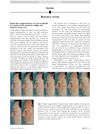 157 citations
,
December 2015 in “Journal of the American Academy of Dermatology”
157 citations
,
December 2015 in “Journal of the American Academy of Dermatology” A man with vitiligo and alopecia saw quick skin and hair improvement with ruxolitinib, but skin color gains were lost after stopping treatment.
July 2025 in “Journal of Investigative Dermatology” Machine learning can help identify biomarkers for personalized Pemphigus vulgaris treatment.
December 2010 in “대한미용학회지” PMWE effectively stimulates hair growth and is safer than minoxidil.
 June 2023 in “International journal on recent and innovation trends in computing and communication”
 Combining multiple algorithms predicts hair fall more accurately than using single algorithms.
 July 2023 in “Biomolecules”
 The new "whisker follicle microinjection assay" can test how different biomolecules affect hair growth and color.
135 citations
,
March 2000 in “Journal of Biological Chemistry” Agouti and AGRP affect pigmentation and obesity, with implications for metabolic disorders.