2 citations
,
January 2025 in “International Journal of Molecular Sciences” Chitosan-encapsulated Cordyceps militaris reduces lung cell damage from pollution.
 December 2024 in “Microorganisms”
 Microbiota changes in deer antler velvet aid in wound healing and tissue regeneration.
10 citations
,
March 2010 in “Journal of Food Biochemistry” Tamarind seed coats have strong antioxidant properties and could be used in health products and food preservatives.
January 2005 in “Journal of Zhejiang University(Sciences Edition)” Yuyi hairless mice lose hair after birth, develop thick, loose skin with folds, and show disorganized skin structure as they age.
 6 citations
,
June 1981 in “PubMed”
6 citations
,
June 1981 in “PubMed” Whisker hair in young people might predict severe future hair loss.
January 2025 in “Animal Science Journal” Golden takin's hair structure is adapted to maintain body temperature in harsh winters.
37 citations
,
June 2000 in “Experimental dermatology” The Lanceolate hair-J mutation in mice mimics human hair disorders like Netherton's syndrome.
December 1978 in “Indian Journal of Otolaryngology and Head & Neck Surgery” Tan sheep's unique fur traits are determined during the embryonic stage by specific genes.
 19 citations
,
October 1985 in “British Journal of Dermatology”
19 citations
,
October 1985 in “British Journal of Dermatology” The document concludes that unruly hair can be congenital or acquired, often lacks specific treatments, and can be managed with oils and short hairstyles.
 1 citations
,
January 2020 in “Qucosa (Saxon State and University Library Dresden)”
1 citations
,
January 2020 in “Qucosa (Saxon State and University Library Dresden)” Fine hair on bovine leathers is hard to remove, lowering leather quality and value, but can be managed with specific processing methods.
2 citations
,
March 1942 in “JAMA” 5 citations
,
January 2021 in “Frontiers in Cell and Developmental Biology” Inhibiting Zyxin may help treat androgenetic alopecia by promoting hair growth.
 December 2022 in “Himi, himijn tehnologijn hùrèèlèngijn èrdèm šinžilgèènij bùtèèl”
 Hair products with copper and zinc enriched yeast made hair thicker and denser.

Yonnyuniksoogobon-dan, an herbal mix, was found to promote hair growth in mice.
9 citations
,
January 1989 in “Journal of Small Animal Practice” Abyssinian cats can have a hair abnormality that makes their coat look rough and dull.
1 citations
,
July 1935 in “Nature” Animal hair can curl tightly on its own, especially in foxes, due to changes in keratin.
 July 2024 in “Journal Archives of Health”
 Woolly hair is a rare genetic condition with no effective treatments.
January 2008 in “Medical Entomology and Zoology” 17 citations
,
June 1990 in “PubMed” Hair varies in size and features depending on body region.
January 2000 in “The Mouseion at the JAXlibrary (Jackson Laboratory)” The lanceolate hair-J mutation in mice helps understand human hair disorders like Netherton's syndrome.
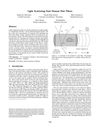
Researchers developed a new model for more realistic computer graphics of hair by considering how light scatters on hair fibers.
 161 citations
,
July 2003 in “ACM Transactions on Graphics”
161 citations
,
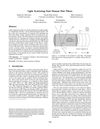
July 2003 in “ACM Transactions on Graphics” Researchers developed a new model for more realistic computer graphics rendering of hair by considering how light scatters on hair fibers.
 33 citations
,
August 1985 in “Archives of Dermatology”
33 citations
,
August 1985 in “Archives of Dermatology” Acquired Progressive Kinking of Hair is likely an early sign of male pattern baldness.
7 citations
,
January 1990 56 citations
,
June 2010 in “Clinical and experimental dermatology” Coudability hairs are useful markers for alopecia areata activity.
 April 2017 in “Journal of Investigative Dermatology”
 Blocking JAK-STAT5 signaling in mice leads to hair growth.
January 2005 in “Chinese Journal of Veterinary” Hairless mice lose hair by 3-4 weeks, develop thicker, folded skin, and show pigmentation differences.
18 citations
,
January 2017 in “PloS one” Certain genes and pathways are crucial for high-quality brush hair in Yangtze River Delta White Goats.