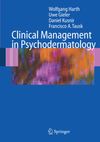
 January 2009 in “Springer eBooks”
 The document concludes that treating skin conditions should include psychological care and a multidisciplinary approach is essential for effective management.
 December 2008 in “Enzyme and Microbial Technology”
 New patents include innovations in skin and hair care, disease treatment, plant stress tolerance, and protein purification.
 April 2008 in “Companion Animal”
 The cat's skin condition was linked to cancer and did not improve with treatment, leading to a poor outcome.
 January 2008 in “Springer eBooks”
 Thyroid disease can cause hair loss and treating thyroid problems might help with hair disorders.
 February 2006 in “Journal of The American Academy of Dermatology”
 Terbinafine is more effective than itraconazole for toenail fungus, especially in older patients, and debridement improves its effectiveness.
 January 2006 in “Seibutsu Butsuri”
 Curly and straight hair differ in how their internal fibers are arranged.
 January 2006 in “Advances in developmental biology”
 The Hairless gene is crucial for healthy skin and hair growth.
 March 2005 in “International Journal of Cosmetic Science”
 DVI provides detailed 3D imaging of hair and shows how various products protect and enhance hair.
 March 2005 in “International Journal of Cosmetic Science”
 A new method helps understand hair shine and various products improve hair care.
 July 2003 in “British Journal of Dermatology”
 Some skin conditions are associated with other serious diseases, and office microscopy may miss many fungal infections.
 January 2002 in “Journal of Toxicology-cutaneous and Ocular Toxicology”
 Botanical extracts are increasingly important in cosmetics and drugs for their effectiveness and safety, backed by traditional use and scientific evidence.
 June 2001 in “Annals of Internal Medicine”
 The document concludes that more research is needed on the hepatitis B vaccine's side effects and the effectiveness of certain treatments for specific diseases.
 June 2001 in “Annals of Internal Medicine”
 The conclusion suggests that the zinc lozenge study is valid despite imperfect blinding, as many participants could not correctly identify their lozenge type.

Improve ventilation and address environmental issues to reduce health complaints.
 March 2000 in “Preventive Nutrition and Food Science”
 Whalgichan improved hair growth, reduced hair loss, and enhanced cholesterol and lipid metabolism without side effects.
 January 1998 in “Lasers in Surgery and Medicine”
 Lasers are effective and safe for various medical treatments, including cancer, wound healing, and skin conditions.
 October 1997 in “Baylor University Medical Center Proceedings”
 Obesity in the U.S. is largely influenced by diet and exercise, certain medications can improve heart procedures and hair growth, and major teaching hospitals have better patient outcomes.
 September 1983 in “Journal of The American Academy of Dermatology”
 Experts discussed hair care, genetic hair defects, hair loss treatments, nail surgery, lupus treatments, skin infections, and cosmetic allergies.
 February 1938 in “Journal of the American Medical Association”
 Washing can prevent cancer from lubricating oils, extreme body temperatures need more study, Sulfomid is not recognized, no reliable diphtheria carrier treatment except surgery, eyelid injuries should heal before repair, heterophile antibody test is specific for mononucleosis, chlorine inhalations for colds are outdated, and wheat germ is safe.
 January 2021 in “Journal of cosmetology & trichology”
 The treatment improved hair growth and thickness in patients with hair loss, even 10 months after therapy without additional products.
 July 2020 in “Environmental Science and Pollution Research”
 Finasteride harms invertebrates' survival and burial ability.

Treatments for hair loss vary, but cell-based options may be the future.
 August 2016 in “Journal of Investigative Dermatology”
  August 2016 in “Journal of Investigative Dermatology”
  August 2016 in “Journal of Investigative Dermatology”
  May 2004 in “Pediatric Dermatology”
 Atopic dermatitis may have genetic causes and can be treated with pharmacologic methods, glycerin creams, and controlling Staphylococcus aureus colonization.
 March 2023 in “Journal of the American Academy of Dermatology”
 Treating underlying conditions and using antifungals effectively resolve Pityrosporum folliculitis in immunocompromised people.
4 citations
,
January 1886 27 citations
,
April 2012 in “Pediatrics in review” Common skin fungal infections can suggest a weak immune system, and for scalp infections, pills work better than creams, with several drug options available.