 49 citations
,
March 2017 in “Journal of the American Academy of Dermatology”
49 citations
,
March 2017 in “Journal of the American Academy of Dermatology” Tofacitinib caused significant hair regrowth in adolescents with alopecia universalis who didn't respond to other treatments.
1 citations
,
March 2025 in “Skin Appendage Disorders” Baricitinib for alopecia areata may rarely cause eye issues like keratitis.
 66 citations
,
December 2018 in “Dermatology”
66 citations
,
December 2018 in “Dermatology” Both ruxolitinib and tofacitinib are effective and safe for treating severe alopecia areata, but relapses are common.
4 citations
,
July 2023 in “Nature Medicine” The FDA approved a new Pfizer drug for hair loss in teens.
 78 citations
,
March 2017 in “JAMA Dermatology”
78 citations
,
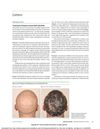
March 2017 in “JAMA Dermatology” Tofacitinib helped regrow hair in people with severe alopecia, but side effects occurred and benefits stopped after treatment ended.
 88 citations
,
July 2014 in “Journal of the American Academy of Dermatology”
88 citations
,
July 2014 in “Journal of the American Academy of Dermatology” Targeted cancer therapies often cause skin reactions, so dermatologists must manage these effects.
32 citations
,
April 2011 in “Journal of the American Academy of Dermatology” Erlotinib may cause scarring hair loss.
 August 2018 in “Journal of Investigative Dermatology”
 Tofacitinib may help regrow hair in alopecia areata patients.
 June 2024 in “Dermatology and Therapy”
 Baricitinib improves quality of life and reduces anxiety and depression in severe alopecia areata patients with hair regrowth.
4 citations
,
September 2025 in “Journal of the American Academy of Dermatology”  51 citations
,
June 2016 in “Journal of the European Academy of Dermatology and Venereology”
51 citations
,
June 2016 in “Journal of the European Academy of Dermatology and Venereology” Tofacitinib was effective in treating hair loss in two patients with alopecia universalis.
November 2023 in “SKIN The Journal of Cutaneous Medicine” Ritlecitinib effectively maintains hair regrowth in alopecia areata patients.
 September 2022 in “XXXIX Congresso Brasileiro de Reumatologia”
 Tofacitinib may effectively treat skin symptoms in difficult cases of dermatomyositis.
 December 2024 in “Clinical and Experimental Dermatology”
 Switching to ritlecitinib improves hair regrowth and well-being in severe alopecia areata patients.
3 citations
,
July 2022 in “European Journal of Dermatology” Brodalumab is more effective than ustekinumab for treating psoriasis.
 1 citations
,
March 2023 in “Skin”
1 citations
,
March 2023 in “Skin” Baricitinib helps patients with severe alopecia areata regrow hair.
 July 2026 in “Current Issues in Molecular Biology”
 Plerixafor may help restore skin pigmentation safely.
 16 citations
,
January 2017 in “Archives of Medical Science”
16 citations
,
January 2017 in “Archives of Medical Science” Sorafenib after liver surgery may increase survival for some liver cancer patients.
 November 2025 in “Mendeley Data”
 Standard dosing is more effective for severe alopecia areata in children, but unorthodox dosing can be safe and considered if needed.
 48 citations
,
November 2017 in “Journal of the American Academy of Dermatology”
48 citations
,
November 2017 in “Journal of the American Academy of Dermatology” Tofacitinib 2% ointment helped hair regrow in 3 out of 10 patients with alopecia areata, but caused side effects like scalp irritation and raised cholesterol in some.
 September 2023 in “Journal of The American Academy of Dermatology”
 The document's conclusion cannot be provided because the content is not available.
 August 2025 in “Ophthalmic Plastic and Reconstructive Surgery”
 Selumetinib significantly reduced tumor size and improved vision in a child with neurofibromatosis type 1.
 January 2026 in “International Journal of Innovative Technologies in Social Science”
 JAK inhibitors show promise for treating alopecia areata, but more research is needed.
 14 citations
,
March 2022 in “Journal of inflammation research”
14 citations
,
March 2022 in “Journal of inflammation research” Baricitinib shows promise as a new treatment for certain skin conditions like alopecia areata.
January 2018 in “대한피부과학회지” Stopping erlotinib improved severe hair loss and skin issues in a patient.
March 2026 in “Journal of the American Academy of Dermatology” The treatment significantly improved lymphocytic cicatricial alopecia symptoms in most patients.
 August 2024 in “Dermatology and Therapy”
 Vorasidenib can cause unusual hair growth.
April 2025 in “Anais Brasileiros de Dermatologia” Abrocitinib effectively treats severe alopecia areata with significant improvement and no side effects.
 1 citations
,
August 2023 in “JAMA Dermatology”
1 citations
,
August 2023 in “JAMA Dermatology” Increasing the dose of baricitinib to 4 mg helps more patients with severe alopecia areata regrow hair.
 44 citations
,
October 2017 in “Journal of the American Academy of Dermatology”
44 citations
,
October 2017 in “Journal of the American Academy of Dermatology” Tofacitinib is effective and safe for treating severe hair loss in Korean patients.