 June 2025 in “Journal of Cluster Science”
 Metal nanoparticles show promise for treating hair loss but need more research to ensure safety.
 April 2025 in “International Journal of Scientific Research in Science and Technology”
 Tectona grandis has many health benefits, including fighting infections, reducing ulcers, and promoting hair growth.
 March 2025 in “World Journal of Stem Cells”
 Stem cell exosomes may help treat hair loss by promoting hair growth.
 January 2025 in “Burns & Trauma”
 Titanium dioxide nanoparticles can help heal wounds faster and better.
 November 2024 in “International Journal of Molecular Sciences”
 Nanoparticles may improve caffeine delivery for hair growth, offering a potential alternative to minoxidil for hair loss treatment.
 July 2024 in “Current Pharmaceutical Design”
 Biodegradable polymers help wounds heal faster.
 April 2024 in “JCT research” April 2024 in “Journal of composites science”
 Hydrogel composites have great potential in regenerative medicine, tissue engineering, and drug delivery.
March 2024 in “Journal of functional biomaterials” A kimchi-derived bacterium could help whiten teeth and prevent bad breath.
 March 2024 in “International journal of nanomedicine”
 Polymeric nanohydrogels show potential for skin drug delivery but have concerns like toxicity and regulatory hurdles.
 January 2024 in “Authorea (Authorea)”
 Nanomaterials can significantly improve wound healing and future treatments may include smart, real-time monitoring.

Nanocarriers with plant extracts show promise for safe and effective hair growth treatment.
 October 2023 in “Biomaterials”
 Nanotechnology could improve hair regrowth but faces challenges like complexity and safety concerns.

Plant-based compounds can improve wound dressings and skin medication delivery.
 May 2023 in “Materials research foundations”
 Nanomaterials like silver and gold can improve wound healing but need more research for safety.
November 2022 in “IntechOpen eBooks” Nanotechnology can improve wound healing by enhancing treatments and dressings.
 May 2022 in “International Journal of Health Sciences (IJHS)”
 Hibiscus Rosa Sinensis Linn is a tropical plant used for various medicinal purposes due to its many beneficial properties and components.
 November 2022 in “Journal of Investigative Dermatology”
 Some people with schwannomatosis have a new type of mutation in the LZTR1 gene.
2 citations
,
December 2019 in “The Iraqi Journal of Veterinary Medicine” Zinc deficiency harms goat health and can cause economic losses.
November 2020 in “Food Science and Technology” Ziziphus jujube Mill extract can naturally protect corn from fungi.
 3 citations
,
February 2005 in “Journal of Quantitative Spectroscopy & Radiative Transfer/Journal of quantitative spectroscopy & radiative transfer”
3 citations
,
February 2005 in “Journal of Quantitative Spectroscopy & Radiative Transfer/Journal of quantitative spectroscopy & radiative transfer” Iron and zinc levels in hair are not linked to hair loss from chemotherapy.
August 2015 in “대한피부미용학회지” Zinc sulfate may help hair growth.
 January 2026 in “International Journal of Innovative Technologies in Social Science”
 Zinc is crucial for health, and deficiency can lead to immune, digestive, skin, and metabolic issues.
 December 2023 in “Journal of nutritional science and vitaminology”
 A zinc-deficient diet stunted growth and affected organs in mice, with C57BL/6J mice showing more severe symptoms.
2 citations
,
January 2025 in “Journal of Nanobiotechnology” A new engineered treatment shows promise in curing heart fibrosis.
37 citations
,
January 2006 in “Carcinogenesis” Antizyme slows skin tumor growth by reducing cell growth in mice.
2 citations
,
January 2017 in “Iraqi journal of medical sciences” Obese women with PCOS have lower zinc levels than non-obese ones.
8 citations
,
January 2013 in “genesis” Zfp157 is active in many mouse tissues during development and in specific adult cells.
January 2012 in “Trace Elements Science” Lead pollution from the mine harms children's IQ, growth, and health.
 10 citations
,
May 1986 in “Experientia”
10 citations
,
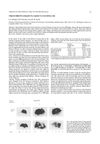
May 1986 in “Experientia” Too much zinc in the diet can cause hair loss and color change in young mice by reducing copper in the body.