Search
forLearn
5 / 801 resultslearn retinoic acid
learn APISCALP™
learn Selenium AAC
learn Rice Amino Acids
Research
5 / 1000+ results
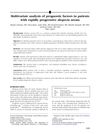
research Multivariate analysis of prognostic factors in patients with rapidly progressive alopecia areata
Patients with rapidly progressive alopecia areata often have a better outlook and shorter disease duration, with regrown fine hairs and no past alopecia being positive signs.
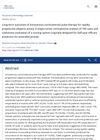
research 586 Increase in CD8+ effector memory cells re-expressing CD45RA (TEMRA) reflects disease activity and enables early prediction of therapeutic outcome in rapidly progressive alopecia areata
Increased TEMRA cells can predict treatment outcomes in rapidly progressive alopecia areata.
research Chronological clinicopathological characterization of rapidly progressive alopecia areata resistant to multiple i.v. corticosteroid pulse therapies: An implication for improving the efficacy
Current corticosteroid pulse therapy is not very effective for severe rapidly progressive alopecia areata.
research Long‐term outcomes of intravenous corticosteroid pulse therapy for rapidly progressive alopecia areata: A single‐center retrospective analysis of 106 cases and usefulness evaluation of a scoring system originally designed for half‐year efficacy prediction for extended periods
Intravenous corticosteroid therapy is effective for long-term hair regrowth in alopecia areata, and a scoring system helps predict treatment success and relapse.
research Breakdown of Immune Tolerance in AIRE-Deficient Rats Induces a Severe Autoimmune Polyendocrinopathy–Candidiasis–Ectodermal Dystrophy–like Autoimmune Disease
AIRE-deficient rats developed severe autoimmune disease similar to APECED, useful for testing treatments.
Community Join
5 / 1000+ resultscommunity Pp405 phase 2a clinical results
PP405 shows initial promise for treating androgenetic alopecia, with safety confirmed in early trials, but skepticism remains due to limited data. Further trials are needed to determine its true efficacy and potential market impact.
community PP405 2a study was a safety study. Some rational explaining.
The conversation discusses the safety study of PP405, emphasizing that early trials focus on safety rather than efficacy, and that any efficacy data from such a short study should be viewed skeptically. It also highlights that the information released is primarily for securing funding, and that meaningful efficacy results are expected in later phases.
community Protac degradation of the androgen receptor in mice shows good efficacy and no systemic drug could be found
The efficacy of degrading the androgen receptor through dermal application in DP cells, a delivery system for topical drugs that involves dissolving microneedles, and rosemary oil as an alternative anti-androgen.
community PELAGE PHASE 2 TRIALS FOR PP405 - Volunteers Needed
PP405 is a topical gel being tested for hair regrowth in adults with androgenetic alopecia. Volunteers aged 18-55 are needed for a 16-week trial in several US locations.
community Pelage Pharmaceuticals’ PP405 and its Impact on Follicular Regeneration to be Presented at the American Academy of Dermatology (AAD) Annual Meeting 2026 28th march
Pelage Pharmaceuticals' PP405 aims to treat hair loss by reactivating dormant hair follicle stem cells, showing promising results in early trials. The company plans to present their findings at the American Academy of Dermatology Annual Meeting in 2026.