The conversation is about applying tretinoin on the scalp for hair loss, with tips on mixing it with minoxidil foam and using a thin layer to avoid flaking and dryness. Suggestions include exfoliating with rosemary or coconut oil and wearing a hat for sunprotection.
Increased Malassezia and Cutibacterium in the scalp microbiome are linked to higher sebum production and inflammation in androgenetic alopecia (AGA). Treatments include ciclopirox shampoo, benzoyl peroxide shampoo, clobetasol propionate, calcipotriol, minoxidil, finasteride, and dutasteride.
Tretinoin may enhance minoxidil's effectiveness for those not responding to minoxidil alone, but it could reduce efficacy for some who are already responding to minoxidil. Tretinoin requires careful use, including skin moisturizing and sunprotection due to increased sensitivity.
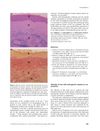
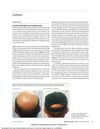
Scalp biopsies are crucial for diagnosing hair loss conditions like Diffuse Unpatterned Alopecia (DUPA) and retrograde hair loss, as treatments like finasteride and dutasteride may not be effective if other conditions are present. Combining PPAR-GAMMA agonists with retinoids could improve treatments for conditions like Lichen Planopilaris.