105 citations
,
May 2013 in “Biomaterials” Human hair keratin hydrogel may aid nerve repair better than traditional methods.
 6 citations
,
February 2022 in “The journal of neuroscience/The Journal of neuroscience”
6 citations
,
February 2022 in “The journal of neuroscience/The Journal of neuroscience” Deleting the PTEN gene in mice causes nerve cells to grow larger and heal better after injury, but may cause overgrowth and hair loss in older mice.
10 citations
,
September 2024 in “Neural Regeneration Research” Stem cells improve nerve repair by enhancing blood vessel growth.
 August 2023 in “International journal of medical science and clinical research studies”
 PRP therapy helps heal pediatric surgical wounds faster and with fewer scars but needs more research for safety and cost.
 31 citations
,
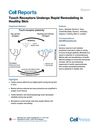
November 2016 in “Cell Reports”
31 citations
,
November 2016 in “Cell Reports” Touch sensitivity in mouse skin decreases during hair growth due to changes in touch receptors.