Topical fin (0.008%) + min - left: 26yo, right: 30yo, goodbye MBP, I keep my NW-0 :D Progress Pictures 3/15/2024
A user shared progress pictures showing successful hair retention using a low-dose topical finasteride (0.008%) combined with minoxidil. Users discussed the effectiveness of the treatment, minimal effective dosing, and avoiding systemic side effects.
View this post in the Community →
Similar Community Posts Join
6 / 1000+ resultscommunity DHT Itch is real. The connection between Acne and Male Pattern Baldness shows this
The conversation discusses the link between seborrheic dermatitis, acne, and male pattern baldness, suggesting that DHT may cause both skin conditions and hair loss. Treatments mentioned include RU58841, finasteride, dutasteride, minoxidil, Nizoral shampoo, and other topical anti-androgens.
community M25: Getting way too many DMs, so let’s do this here! AMA about Male Pattern Baldness, Hair Loss, and Products (100% Science-Backed )
Finasteride, dutasteride, and minoxidil are discussed as treatments for male pattern baldness. Finasteride and dutasteride are effective DHT blockers, while minoxidil is necessary for regrowth but must be used consistently.
community Bloodwork reports just came in
A 21-year-old male suffering from male pattern baldness is using topical finasteride and minoxidil, and oral minoxidil. His bloodwork shows normal DHT levels and slightly high testosterone, leading to discussions about the role of DHT sensitivity in hair loss, the potential impact of finasteride on his DHT levels, and the suggestion to proceed with oral finasteride due to his high testosterone.
community COMPLETE OVERVIEW of the Treatment of androgenetic alopecia in men
Male androgenetic alopecia is commonly treated with topical minoxidil and oral finasteride, both requiring continuous use. Other options include hair restoration surgery, dutasteride, light therapy, and camouflaging agents.
community 31M. Just diagnosed with androgenic alopecia. Fears of min.
A 31-year-old man with androgenic alopecia is considering treatments like finasteride, minoxidil, and ketoconazole shampoo but is worried about finasteride's side effects. Users recommend starting with finasteride or dutasteride for DHT blocking, suggesting topical solutions to reduce side effects.
community 2024 guide for male pattern baldness: 10 take home messages from Dr. Moreno-Arrones
Effective treatments for male pattern baldness include finasteride, dutasteride, and oral minoxidil. Non-effective approaches include oils, shampoos, serums, laser therapies, massages, vitamins, and microneedling.
Related Research
6 / 1000+ results
research Astragalus membranaceus and Cinnamomum cassia Stimulate the Hair Follicle Differentiation-Related Growth Factor by the Wnt/β-Catenin Signaling Pathway
The YH complex, made from Astragalus membranaceus and Cinnamomum cassia, may help treat hair loss by promoting hair growth and follicle development.
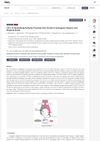
research CXCL12 Neutralizing Antibody Promotes Hair Growth in Androgenic Alopecia and Alopecia Areata
Blocking the protein CXCL12 with a specific antibody can increase hair growth in common hair loss conditions.
research Hair Thickness Growth Effect of Adenosine Complex in Male-/Female-Patterned Hair Loss via Inhibition of Androgen Receptor Signaling
Adenosine complex helps increase hair thickness and density in hair loss.

research The medicinal activity of lyophilized aqueous seed extract of Lepidium sativum L. in an androgenic alopecia model
The seed extract of Lepidium sativum L. can potentially treat hair loss, showing effects similar to 5% minoxidil.
research Hair Growth Effect of DN106212 in C57BL/6 Mouse and Its Network Pharmacological Mechanism of Action
DN106212, an extract from a plant, is better at promoting hair growth than other tested substances by affecting hair growth factors and follicle development.
research Platelet‐rich plasma for androgenetic alopecia: Efficacy differences between men and women
PRP improves hair thickness for both genders, but only increases hair density in men.