What’s the science behind 1mg Finasteride 3 X a week being as effective as daily? Finasteride/Dutasteride 4/12/2023
The efficacy of taking 1mg finasteride three times a week instead of daily for hair loss, with some users arguing that it is just as effective because finasteride has a long half-life in the scalp tissue and lower doses have been shown to be effective. Other users suggest experimenting with various treatments such as minoxidil and finasteride to achieve best results.
View this post in the Community →
Similar Community Posts Join
6 / 1000+ resultscommunity Finasteride success for androgenic alopecia by a 27M physician (NO PICTURES)
A 27-year-old male physician improved hair density using minoxidil 5% foam and finasteride 1mg every other day, with initial sexual side effects that subsided. He recommends trying finasteride for a year but warns against dutasteride due to potential liver effects.
community Androgenetic alopecia is a skin disease: DHT-mediated skin disorders
Dihydrotestosterone (DHT) impacts various skin conditions, including Androgenetic alopecia and seborrheic dermatitis, by causing overactivity in sebaceous glands. Topical medications Tacrolimus and Clobetasol can reduce these inflammatory conditions, and treatments like RU58841, Minoxidil, and Finasteride may also be beneficial.
community 5 alpha reductase type 1 is in brain tissue producing the main endogenous gabaergic allopregnanolone, not 2. How can finasteride as a 5ar2 lower that?
Finasteride and dutasteride are discussed for hair loss, with concerns about their effects on neurosteroids and potential side effects like depression. Alternatives like topical estrogen and lifestyle changes are considered, with varying opinions on mental health and hair regrowth.
community The Real Cause Of Androgenetic Alopecia
Androgenetic alopecia is caused by DHT affecting hair growth. Finasteride and minoxidil are used to manage hair loss by blocking DHT and promoting hair growth.

community Seeking Advice on Norwood 3 Hairline at Age 15
A 15-year-old is concerned about hair loss, possibly at Norwood 2 or 3, and is using shampoos and conditioners recommended by a trichologist. Suggestions include considering topical minoxidil and consulting a doctor about topical anti-DHT treatments like finasteride or RU58841, but avoiding 5-alpha-reductase inhibitors at this age.
community 2 month progress with Minoxidil and Dermaroller
The conversation discusses a user's two-month hair regrowth progress using Minoxidil and a 0.5mm dermaroller. Some suggest adding a 5-alpha-reductase inhibitor like finasteride or dutasteride to maintain the results.
Related Research
6 / 1000+ results
research ORAL AND TOPICAL FINASTERIDE IN THE TREATMENT OF MALE ANDROGENETIC ALOPECIA – NARRATIVE REVIEW
Finasteride effectively treats male hair loss, with oral and topical forms improving hair growth, but oral use may have side effects.
research Androgenetic alopecia in women and men: Italian guidelines adapted from European Dermatology Forum/European Academy of Dermatology and Venereology guidelines
Italian guidelines recommend using trichoscopy for diagnosis and treatments like minoxidil for hair loss.
research Systemic treatment options for androgenic alopecia
Finasteride, dutasteride, and oral minoxidil are effective for treating hair loss, with spironolactone as an option for women.
research Mechanism of androgenic alopecia: Addressing speculations through empirical evidences
Hair loss in men is mainly caused by hormones and genes, and while current treatments can slow it down, they can't fully stop it.

research The potential of androgenic alopecia management from plant derivatives
Plant extracts like Avicennia marina, Boehmeria nipononivea, and Camellia sinensis could potentially treat hair loss with fewer side effects than synthetic drugs.
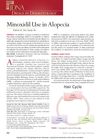
research Minoxidil Use in Alopecia
Minoxidil helps stimulate hair growth and enlarge small follicles in common hair loss, but doesn't stop it, and its effects can be boosted when combined with finasteride.