TLDR Alopecia areata severity is influenced by factors like long disease duration, relapses, treatment response, and mental health, leading to the creation of a new severity measurement tool.
The study involved 64 specialists from 6 continents and aimed to identify factors determining alopecia areata (AA) severity beyond scalp hair loss. It found that factors such as disease duration over 12 months, multiple relapses, inadequate treatment response, rapid progression, difficulty concealing hair loss, facial and nail involvement, impaired quality of life, and mental health issues contribute to AA severity. The consensus reached supports the development of a comprehensive severity tool, the Alopecia Areata Severity and Morbidity Index (ASAMI), to better measure disease impact and identify treatment candidates. Future research should include patient perspectives to refine the tool.

September 2022 in “Journal of Investigative Dermatology” Patient-reported outcomes better reflect the quality of life impact of alopecia areata than traditional severity scores.
56 citations
,
August 2020 in “American Journal of Clinical Dermatology” New tools help assess eyebrow, eyelash, and nail changes in Alopecia Areata, improving understanding of patient experiences.
44 citations
,
November 2016 in “Journal of The American Academy of Dermatology” The updated SALT II tool offers a more precise way to measure scalp hair loss.
701 citations
,
August 2014 in “Nature medicine” Alopecia areata can be reversed by JAK inhibitors, promoting hair regrowth.
421 citations
,
April 2012 in “The New England Journal of Medicine” Alopecia Areata is an autoimmune condition causing hair loss with no cure and treatments that often don't work well.
148 citations
,
December 2018 in “Journal of autoimmunity” Alopecia areata is an autoimmune disease causing patchy hair loss, often with other autoimmune disorders, but its exact causes are unknown.
4 citations
,
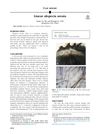
November 2018 in “JAAD case reports” Alopecia areata can sometimes appear as a straight line of hair loss instead of round patches.
May 2018 in “Journal of cosmetology & trichology” Combining platelet-rich plasma therapy with prostaglandin-F eye drops can significantly regrow hair in alopecia universalis.
110 citations
,
December 2013 in “The journal of investigative dermatology. Symposium proceedings/The Journal of investigative dermatology symposium proceedings” Alopecia areata is a genetic and immune-related hair loss condition that is often associated with other autoimmune diseases and does not typically cause permanent damage to hair follicles.