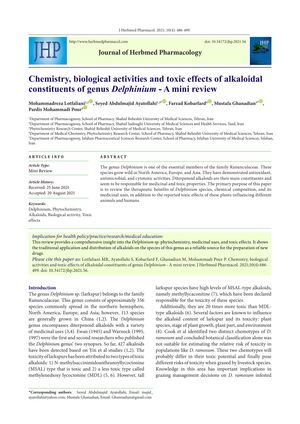
TLDR Delphinium plants have both medicinal benefits and toxic effects due to their alkaloids.
The review focused on the genus Delphinium, part of the Ranunculaceae family, which was known for its antioxidant, antimicrobial, and cytotoxic activities. The main constituents, diterpenoid alkaloids, were identified as responsible for both the medicinal and toxic properties of these plants. The paper aimed to provide an overview of the therapeutic benefits, chemical composition, and medicinal uses of Delphinium species, while also addressing the reported toxic effects on various animals and humans.

18 citations
,
September 2018 in “Current Pharmaceutical Design” Some medicinal plants may treat hair loss with fewer side effects.
7 citations
,
January 2016 in “PubMed” Delphinium staphisagria seeds can promote hair growth safely by increasing blood vessel formation.
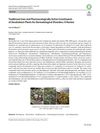
March 2024 in “Tropical Journal of Natural Product Research” Many people in Fez-Meknes use potentially toxic plants for various health and cosmetic purposes, but more research is needed to ensure their safety.
32 citations
,
January 2021 in “Molecules” Some Middle Eastern plants may help treat diabetes and could be alternatives to current drugs, but more research is needed.
30 citations
,
February 2018 in “Journal of Pharmacy and Pharmacology” Hedychium spicatum has medicinal properties but needs more research for scientific validation and use.
December 2021 in “International journal of minor fruits, medicinal and aromatic plants” The document concludes that in Sri Lanka, 25 common plants are traditionally used as home remedies for various health issues due to their medicinal properties.
170 citations
,
September 2019 in “Evidence-based Complementary and Alternative Medicine” Some medicinal plants can help heal wounds and may lead to new treatments.