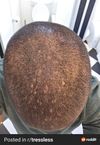
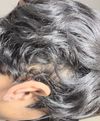
TLDR Yellow dots are common in severe alopecia areata.
The study retrospectively analyzed 72 patients with alopecia areata (AA) to identify dermoscopic features and their correlation with disease severity. The most common findings were yellow dots (79.16%) and black dots (70.8%). Other notable features included short vellus hair (44.44%), broken hair (43.05%), and exclamation mark hair (31.9%). Yellow dots were most consistently found in severe cases, especially in progressive AA and alopecia universalis. Patients undergoing treatment showed increased numbers of short vellus hair and terminal hairs.
 21 citations
,
January 2014 in “International Journal of Trichology”
21 citations
,
January 2014 in “International Journal of Trichology” The study concluded that yellow dots are a common and useful sign for diagnosing alopecia areata in dark-skinned individuals and may indicate the severity of the condition.
76 citations
,
January 2011 in “Indian Journal of Dermatology/Indian journal of dermatology” Dermoscopy is a useful tool for diagnosing and managing alopecia areata.
56 citations
,
June 2010 in “Clinical and experimental dermatology” Coudability hairs are useful markers for alopecia areata activity.
 196 citations
,
June 2008 in “International Journal of Dermatology”
196 citations
,
June 2008 in “International Journal of Dermatology” Dermoscopy helps diagnose and manage alopecia areata by showing specific hair changes.
 150 citations
,
April 2008 in “Journal of The American Academy of Dermatology”
150 citations
,
April 2008 in “Journal of The American Academy of Dermatology” Scalp dermoscopy is good for diagnosing a type of hair loss and helps choose the best spots for biopsy.
 304 citations
,
July 2006 in “Journal of The American Academy of Dermatology”
304 citations
,
July 2006 in “Journal of The American Academy of Dermatology” Videodermoscopy improves diagnosis of hair and scalp disorders and may reduce scalp biopsies.