Keloids After Herpes Zoster: Report of Wolf’s Isotopic Phenomenon and Literature Review
August 2023
in “
Clinical Cosmetic and Investigational Dermatology
”
TLDR Keloids can form at the site of a healed herpes zoster infection, but the reason is unclear.
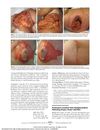
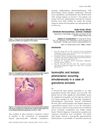
This study presents a rare case of keloid formation following a herpes zoster infection, demonstrating Wolf’s isotopic response, where a new skin condition appears at the site of a healed, unrelated one. A 76-year-old man developed painful keloids on his trunk and arm after herpes zoster, despite no history of keloids or immune deficiency, and treatment with topical betamethasone was ineffective. The study notes that keloids post-herpes zoster are uncommon, with only 8 cases reported, often linked to immune deficiencies like HIV. This case is significant as it occurred in a patient without such deficiencies, indicating other factors may influence keloid formation after herpes zoster. The document calls for more research to understand the pathogenesis and epidemiology of this phenomenon, considering both viral and host factors.