 August 2025 in “Journal of Cosmetic Dermatology”
 Light-based therapy can help regrow hair in different types of hair loss, but more research is needed.
 August 2025 in “Dermatological Reviews”
 Stem cells, natural oils, and laser therapy may help hair regrowth, but more research is needed.
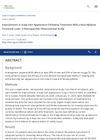 July 2025 in “Lasers in Surgery and Medicine”
 Non-ablative fractional laser treatment safely improves hair growth and scalp appearance.
 June 2025 in “Journal of Cosmetic Dermatology”
 Exosome therapy with laser treatment helped hair regrowth in a child with a rare skin condition.
 May 2025 in “Lasers in Medical Science”
 Erbium lasers improve hair growth in androgenetic alopecia with minimal side effects.
 May 2025 in “Journal of Dermatological Treatment”
 Initial hair loss severity can affect treatment results for minoxidil and laser therapy.
 May 2025 in “Lasers in Medical Science”
 Er: YAG laser treatment can help balance scalp bacteria in hair loss patients.
 April 2025 in “Archives of Dermatological Research”
 Combining CO2 laser and Bimatoprost effectively boosts hair regrowth in Alopecia Areata.
1 citations
,
April 2025 in “Skin Health and Disease” Combining delgocitinib ointment with excimer laser can effectively treat severe alopecia areata.
 February 2025 in “Lasers in Medical Science”
 Laser therapy shows promise for hair loss but lacks strong evidence due to limited studies.
 February 2025 in “Journal of Biophotonics”
 Dual-wavelength laser therapy promotes better hair regrowth than single-wavelength treatments.
 January 2025 in “Journal of Dermatological Treatment”
 Combining low-level laser therapy with minoxidil doesn't improve hair loss treatment compared to using minoxidil alone.
 January 2025 in “Lasers in Medical Science”
 CO2 fractional laser treatment helped regrow hair in a 13-year-old with alopecia areata.
 January 2025 in “Lasers in Medical Science”
 Combining fractional CO2 laser with topical dutasteride is more effective for treating male hair loss than using the laser alone.
 January 2025 in “Lasers in Surgery and Medicine”
 Combining fractional CO2 laser with minoxidil is more effective for hair growth in alopecia areata than minoxidil alone.
 January 2025 in “Dermatologic Therapy”
 The laser treatment improved hair appearance and was safe and well-received by patients.
December 2024 in “Aesthetic Plastic Surgery” Combining PEMF with PBST is more effective for hair regrowth than PBST alone.
 November 2024 in “Health Science Reports”
 Light/laser therapy can effectively increase hair density in some types of alopecia, especially androgenic alopecia and alopecia areata.
 October 2024 in “Dermatologic Surgery”
 Low-level laser therapy helps increase hair density in androgenetic alopecia.
 September 2024 in “Egyptian Journal of Dermatology and Venerology”
 Low-energy fractional CO2 laser therapy significantly improves hair regrowth in women with female-pattern hair loss.
 July 2024 in “Journal of Cosmetic Dermatology”
 Fractional laser therapy is a promising, effective, and minimally invasive treatment for hair loss.
 July 2024 in “Clinical Cosmetic and Investigational Dermatology”
 Non-drug therapies show promise for hair regrowth but need more research.
 1 citations
,
June 2024 in “JMIR Dermatology”
1 citations
,
June 2024 in “JMIR Dermatology” 675 nm laser therapy effectively improves hair growth and density in AGA patients.
 May 2024 in “Journal of the Egyptian Women's Dermatologic Society /Journal of the Egyptian Women's Dermatologic Society”
 Combining fractional CO2 laser and PRP is very effective for treating female hair loss.
 April 2024 in “Lasers in medical science”
 Lasers and light therapies are effective in promoting hair regrowth for different types of hair loss.
 January 2024 in “Journal of Cosmetic Dermatology”
 The 1565 nm non-ablative fractional laser is more effective and satisfying than 5% minoxidil for treating hair loss.
 January 2024 in “Photodiagnosis and Photodynamic Therapy”
 Using minoxidil with laser therapy is more effective for female hair loss than minoxidil alone.
 August 2023 in “Journal of Cosmetic Dermatology”
 Using a laser with minoxidil was more effective for hair loss than minoxidil alone.
 August 2023 in “European journal of dermatology/EJD. European journal of dermatology”
 Combining topical delgocitinib with a 308-nm excimer laser can effectively treat severe alopecia areata and vitiligo.
 July 2023 in “Journal of lasers in medical sciences”
 Red laser therapy helped regrow hair in an alopecia areata patient within 21 days.
 May 2023 in “Photobiomodulation, photomedicine, and laser surgery”
 The 675 nm laser treatment significantly increased hair density and reduced symptoms of androgenetic alopecia in both men and women, with no side effects.
March 2023 in “Anais Brasileiros De Dermatologia” Topical minoxidil is the best-supported treatment for female hair loss, but personalized plans are needed.
 January 2023 in “Journal of cosmetic dermatology”
 Fractional lasers effectively treat alopecia areata, especially when combined with minoxidil or cortisol.
 January 2023 in “Skin appendage disorders”
 Laser treatment for hair loss works equally well on different skin types, but more research is needed for very dark skin.
January 2023 in “International Journal of Trichology” Low-level laser therapy is safe but not significantly better than minoxidil alone for hair growth.
 8 citations
,
September 2021 in “Facial plastic surgery & aesthetic medicine”
8 citations
,
September 2021 in “Facial plastic surgery & aesthetic medicine” Low-level light/laser therapy is effective in treating male and female pattern hair loss without side effects.
290 citations
,
August 2021 in “Clinical Reviews in Allergy & Immunology” JAK inhibitors show promise for treating alopecia areata, but more research is needed.
31 citations
,
July 2021 in “ImmunoTargets and therapy” Alopecia areata is an incurable autoimmune condition causing hair loss, with research aiming for better treatments.
 33 citations
,
January 2021 in “Aesthetic Surgery Journal”
33 citations
,
January 2021 in “Aesthetic Surgery Journal” Low-Level Light Therapy (LLLT) is a safe and effective method for skin rejuvenation, acne treatment, wound healing, body contouring, and hair growth, but more well-designed trials are needed for confirmation.
 56 citations
,
January 2021 in “Clinical and Experimental Medicine”
56 citations
,
January 2021 in “Clinical and Experimental Medicine” The document concludes that while there are various treatments for Alopecia Areata, there is no cure, and individualized treatment plans are essential due to varying effectiveness.
 47 citations
,
December 2020 in “Journal of the European Academy of Dermatology and Venereology”
47 citations
,
December 2020 in “Journal of the European Academy of Dermatology and Venereology” The document concludes that understanding and treating hair loss requires recognizing its various types and using appropriate diagnostic tools and treatments.
 8 citations
,
October 2020 in “Lasers in Medical Science”
8 citations
,
October 2020 in “Lasers in Medical Science” LLLT helps treat hair loss by increasing blood flow, reducing inflammation, and stimulating growth factors.