 June 2025 in “Journal of Cosmetic Dermatology”
 Dutasteride 0.5 mg/day is the most effective treatment for male pattern hair loss.
 June 2025 in “Frontiers in Pharmacology”
 Oral minoxidil is a safe and effective treatment for alopecia, improving hair growth with minor side effects.
5 citations
,
April 2025 in “Journal of the American Academy of Dermatology” Use minoxidil correctly and be aware of side effects for best hair loss treatment results.
 March 2025 in “Journal of Dermatological Treatment”
 Temporary hair shedding after minoxidil use may indicate effective treatment.
 February 2025 in “Archives of Dermatological Research”
 Combining PRP with topical minoxidil is most effective for hair growth in androgenetic alopecia.
November 2024 in “Actas Dermo-Sifiliográficas” Low-dose oral minoxidil can improve hair and eyebrow growth in frontal fibrosing alopecia.
14 citations
,
August 2024 in “Breast Cancer Research and Treatment” Oral minoxidil effectively improves hair regrowth in cancer survivors with late alopecia.
 May 2024 in “Medical Journal Armed Forces India/MJAFI”
 Both low-level light therapy and 5% minoxidil are effective and safe for treating male hair loss, with no significant difference in results.
 May 2024 in “Anais brasileiros de dermatologia/Anais Brasileiros de Dermatologia”
 Oral minoxidil 7.5 mg for hair loss increases heart rate but not blood pressure.
 April 2024 in “JAMA dermatology”
 Oral minoxidil is as effective as topical minoxidil for male hair loss but has more side effects like excessive hair growth and headaches.
 February 2024 in “Actas Dermo-Sifiliográficas”
 Dermatologists recommend oral dutasteride for male hair loss, low-dose oral minoxidil for female hair loss, and a multidisciplinary approach for young patients, with caution during pregnancy.
 January 2024 in “Expert Opinion on Pharmacotherapy”
 Low-dose oral minoxidil is effective and safe for treating hair loss in men and women.
 January 2023 in “Skin appendage disorders”
 Minoxidil, platelet-rich plasma, and microneedling all help with pattern hair loss, but their effectiveness varies.
 January 2023 in “Skin appendage disorders”
 Low-dose oral minoxidil may help treat hair loss but is not FDA-approved and can cause side effects like unwanted hair growth and heart issues.
1 citations
,
August 2022 in “Journal of Dermatological Treatment” Dutasteride is the most effective for hair loss but may cause sexual and mental side effects.
 2 citations
,
July 2022 in “Journal of the American Academy of Dermatology”
2 citations
,
July 2022 in “Journal of the American Academy of Dermatology” The safety and tolerability of low-dose oral minoxidil for treating hair loss in adolescents is not clearly determined.
 13 citations
,
February 2022 in “JAMA Dermatology”
13 citations
,
February 2022 in “JAMA Dermatology” Dutasteride is the most effective hair loss treatment after 24 weeks, but finasteride leads to the most hair growth after 48 weeks.
3 citations
,
January 2022 in “Journal of The American Academy of Dermatology” 1 mg/day of low-dose oral minoxidil is effective and safe for treating female hair loss.
2 citations
,
January 2022 in “Skin appendage disorders” Low-dose oral minoxidil effectively promotes hair growth but has associated risks.
1 citations
,
January 2022 in “Journal of Cutaneous and Aesthetic Surgery” Combining 5% minoxidil with platelet-rich plasma is more effective for hair loss than minoxidil alone.
4 citations
,
October 2021 in “Journal of The European Academy of Dermatology and Venereology” Low-dose oral minoxidil increases hair density and thickness in people with hair loss.
5 citations
,
September 2021 in “Dermatologic Therapy” Oral minoxidil effectively treats female pattern hair loss and is a good alternative to topical minoxidil.
 16 citations
,
June 2021 in “Journal of Dermatological Treatment”
16 citations
,
June 2021 in “Journal of Dermatological Treatment” Minoxidil effectively treats hair loss, especially androgenetic alopecia, but needs more research for better understanding.
4 citations
,
March 2021 in “Experimental dermatology” Minoxidil increases nail growth more than biotin.
 21 citations
,
March 2021
21 citations
,
March 2021 Oral minoxidil effectively treats hair loss, with women needing lower doses (0.25 to 2.5 mg daily) and men needing higher doses (1.25 to 5 mg daily).
 39 citations
,
February 2021 in “Journal of The American Academy of Dermatology”
39 citations
,
February 2021 in “Journal of The American Academy of Dermatology” Low-dose oral minoxidil safely treats hair loss, with hypertrichosis as main side effect.
2 citations
,
February 2021 in “International Journal of Research in Dermatology” Minoxidil with PRP is the best treatment for hair loss.
 5 citations
,
December 2020 in “Journal of The American Academy of Dermatology”
5 citations
,
December 2020 in “Journal of The American Academy of Dermatology” Minoxidil and spironolactone improve hair density and reduce shedding in girls.
 24 citations
,
September 2020 in “Dermatology and therapy”
24 citations
,
September 2020 in “Dermatology and therapy” Oral minoxidil 5 mg daily increases hair growth safely in men with hair loss, with minor side effects.
 19 citations
,
May 2020 in “Journal of The American Academy of Dermatology”
19 citations
,
May 2020 in “Journal of The American Academy of Dermatology” Low-dose oral minoxidil improves hair growth in male hair loss.
 12 citations
,
January 2020 in “Skin appendage disorders”
12 citations
,
January 2020 in “Skin appendage disorders” Low-dose oral minoxidil effectively treats female hair loss with good safety.
 53 citations
,
August 2019 in “Journal of The American Academy of Dermatology”
53 citations
,
August 2019 in “Journal of The American Academy of Dermatology” Oral minoxidil and topical minoxidil 5% both effectively improve female-pattern hair loss with safe side effects.
 9 citations
,
August 2019 in “Journal of The European Academy of Dermatology and Venereology”
9 citations
,
August 2019 in “Journal of The European Academy of Dermatology and Venereology” Minoxidil activation by hair enzymes predicts treatment success for female hair loss.
 12 citations
,
September 2018 in “Dermatologic Therapy”
12 citations
,
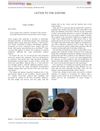
September 2018 in “Dermatologic Therapy” Daily low-dose aspirin lowers minoxidil's effectiveness for hair loss treatment.
 12 citations
,
March 2018 in “Australasian Journal of Dermatology”
12 citations
,
March 2018 in “Australasian Journal of Dermatology” Minoxidil treatment can reduce hair shedding, increase hair volume, and even change hair color in patients with loose anagen hair syndrome.
 27 citations
,
November 2013 in “Dermatologic Therapy”
27 citations
,
November 2013 in “Dermatologic Therapy” New test predicts if hair loss treatment will work.
 212 citations
,
September 2008 in “Journal of The American Academy of Dermatology”
212 citations
,
September 2008 in “Journal of The American Academy of Dermatology” Minoxidil and finasteride treat hair loss in men, while minoxidil treats hair loss in women.
 70 citations
,
April 1990 in “Journal of The American Academy of Dermatology”
70 citations
,
April 1990 in “Journal of The American Academy of Dermatology” Minoxidil treatment increased hair growth for up to 5 years, requiring twice daily application.