TLDR Men can have genetic risks for PCOS-related traits like obesity and diabetes.
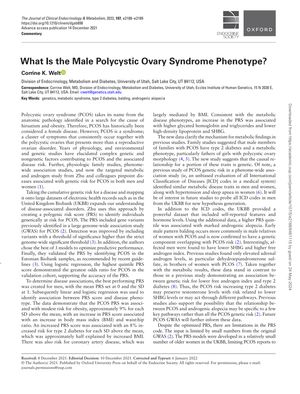
The commentary discusses the male phenotype of polycystic ovary syndrome (PCOS), traditionally considered a female disease. Using a polygenic risk score (PRS) based on genetic variants from a large genome-wide association study (GWAS), Zhu and colleagues identified genetic risks for PCOS in men. The study found that higher PRS scores in men were associated with increased risks for obesity, type 2 diabetes, coronary artery disease, and androgenic alopecia. These findings suggest that PCOS-related traits in men are partly genetic and highlight the importance of family history in disease risk evaluation. The study underscores the need for larger GWAS to further understand PCOS phenotypes and their underlying pathways.

11 citations
,
November 2021 in “The Journal of Clinical Endocrinology and Metabolism” Genetic risk factors for Polycystic Ovary Syndrome can affect men too, not just women.
308 citations
,
December 2018 in “PLOS Genetics” The research found that PCOS has common genetic factors regardless of how it is diagnosed and is linked to metabolic and reproductive issues.
133 citations
,
February 2017 in “PLoS Genetics” Genetic factors can help predict male pattern baldness risk.
December 2025 in “ADMET & DMPK” Personalized treatments for hair loss focus on specific genetic and biological pathways.
September 2023 in “The Journal of clinical endocrinology and metabolism” Genetic risk for PCOS can affect children's growth, metabolism, and development from early life into adulthood.
April 2023 in “Medizinische Genetik” Male-pattern hair loss is largely influenced by genetics, with key genes identified.
308 citations
,
December 2018 in “PLOS Genetics” The research found that PCOS has common genetic factors regardless of how it is diagnosed and is linked to metabolic and reproductive issues.