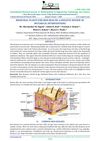
The review article explores the potential of various medicinal plants in treating skin disorders, focusing on their phytochemical components and pharmacological effects. Plants like Rubus vulgaris, Plantago major, and Artemisia terrae-albae contain bioactive compounds with antioxidant, anti-inflammatory, and antimicrobial properties, making them promising for dermatological applications. Despite their traditional use and emerging scientific support, challenges such as standardization and lack of rigorous clinical trials hinder their clinical application. The article emphasizes the need for further research to standardize active constituents, assess safety, and conduct clinical validation to integrate these plant-based therapies into dermatological practice.

December 2023 in “Medicine and Materials” Essential oils are increasingly used in cosmetics for their natural benefits but must be used carefully to avoid skin reactions.
May 2023 in “International Journal of Trichology” A witch-hazel-based 5% minoxidil solution is effective and safe for women with hair loss who didn't respond to regular minoxidil, especially if they're sensitive to propylene glycol.
170 citations
,
September 2019 in “Evidence-based Complementary and Alternative Medicine” Some medicinal plants can help heal wounds and may lead to new treatments.
205 citations
,
September 2018 in “Nutrients” Essential oils from Curcuma species, like turmeric, have compounds that can fight inflammation, cancer, and bacteria, and can also stimulate hair regrowth in bald males.
32 citations
,
January 2021 in “Molecules” Some Middle Eastern plants may help treat diabetes and could be alternatives to current drugs, but more research is needed.
67 citations
,
June 2018 in “Engineering in Life Sciences” Plant cell culture is a promising method for creating sustainable and high-quality cosmetic ingredients.
1 citations
,
May 2025 in “The Journal of Phytopharmacology” Phytoandrogens from plants may help treat low testosterone naturally.
April 2024 in “Molecules/Molecules online/Molecules annual” Paris polyphylla saponins may effectively treat acne due to their antibacterial and anti-inflammatory properties.
8 citations
,
February 2022 in “Molecules” Asparagus racemosus root extract reduced sebum and pore size in men but not in women.